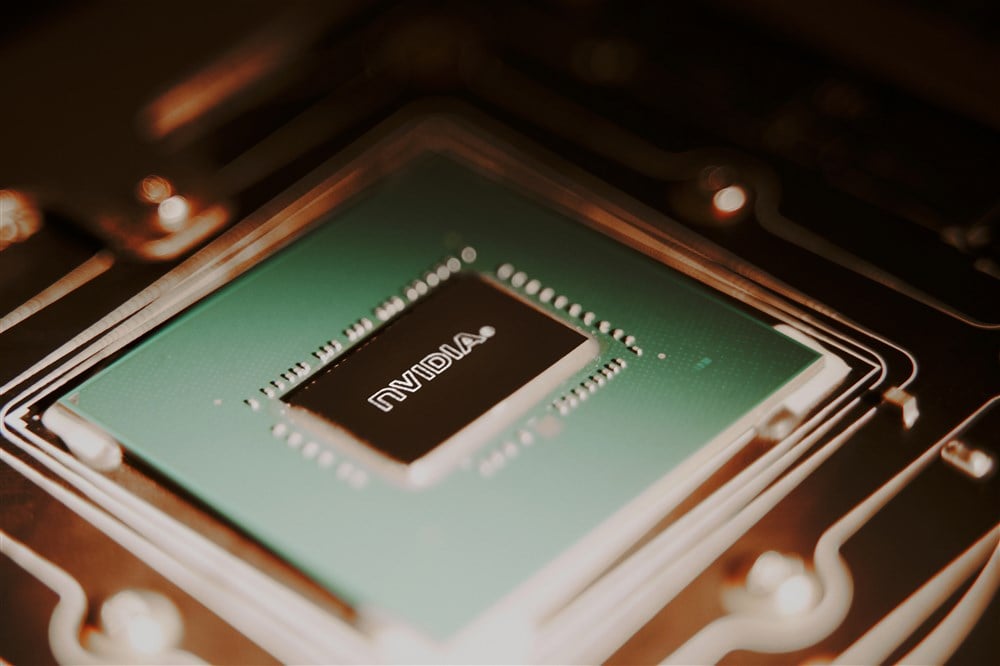
Will tightened restrictions on U.S. companies selling AI chips to China mean companies like Nvidia Corp. (NASDAQ: NVDA) will see their stocks tumble?
Despite working through a correction that began in early September, Nvidia remains the best performer in the S&P 500 this year, propelled by leadership in the market for AI chips.
However, Nvidia stock's rocket ride, which began a year ago, has been in a lull for the past seven weeks, forming a cup-shaped base with a buy point above $502.66. You can see that correction using MarketBeat's Nvidia chart.
Investors have backed off the "all things AI" rally that drove techs sharply higher earlier this year.
As interest rates increase, tech sector stocks often decline. That's because higher rates increase borrowing costs for companies. Techs frequently use debt to finance growth, so higher rates make those operations more costly.
Higher Rates Mean Shift Away From Tech
Additionally, rising rates make bonds more attractive investments, leading some investors to shift away from riskier stocks. Techs are among the riskiest stocks. All of this combined means investors' demand for tech stocks is reduced.
Nvidia stock is up 5% in the past month as it began turning higher out of its base.
However, shares fell 4.68% on October 17 as news broke that the U.S. would tighten curbs on AI chip exports to China. While that's not expected to significantly affect the company's near-term results, according to what a company spokesperson told Barron's, investors still smacked the stock down.
Chipmakers with AI Exposure Fell
Other chipmakers with AI exposure, including Broadcom Inc. (NASDAQ: AVGO), Advanced Micro Devices (NASDAQ: AMD) and Intel Corp. (NASDAQ: INTC), also traded to the downside on October 17.
The threat of additional restrictions was always out there, so the move was not a total surprise. Last year, the Biden administration rolled out the first round of restrictions in an effort to hinder China's tech advances and to make more chips available for U.S.-based companies. The October 17 rules updated those earlier restrictions.
In a sign that investors' worries about the latest restrictions weren't devastating, shares of Nvidia, Broadcom, AMD and Intel all closed well above session lows.
It's not unusual to see a stock down at the open on news, then rally back as the session wears on, as investors realize perhaps the news isn't so bad after all.
In a statement addressing the new restrictions, the Semiconductor Industry Association said it was "evaluating the impact of the updated export controls on the U.S. semiconductor industry. We recognize the need to protect national security and believe maintaining a healthy U.S. semiconductor industry is an essential component to achieving that goal."
Broadcom's VMware Acquisition in Question
However, shares of VMware Inc. (NYSE: VMW) got punished on October 17 on worries about how updated restrictions might impact a pending acquisition by Broadcom.
The two companies in May announced a cash and stock deal valuing VMware at $61 billion. It's scheduled to close on October 30.
On Broadcom's most recent earnings call, CEO Hock Tan put the kibosh on an analyst questioning whether the deal was likely to go through.
Fears China Will Block Deal
But on October 17, those concerns reared their head. U.S. regulators OK'd the acquisition, but China has been silent as the anticipated close date approaches. The Biden administration's move reignited worries that China may retaliate by flexing its muscle and blocking the deal.
VMWare shares declined by 7.70% in volume, 455% heavier than average. The stock gapped down hard at the open but regained some lost ground as the session wore on. However, it never came near to closing that gap.
If the deal does ultimately close, Broadcom shareholders will own 88% of the newly combined entity, while VMware stockholders will own the remaining 12%.
Broadcom, like Nvidia, specializes in chip design rather than manufacturing. It's been growing its AI-related business through its Jericoh chips. However, as you can see with the VMware acquisition, the company is expanding into other high-potential lines of business, such as networking and cloud infrastructure software.