Long-term Use Of Melatonin Supplements To Support Sleep May Have Negative Health effects
By:
NewMediaWire
November 03, 2025 at 06:00 AM EST
Research Highlights:
Embargoed until 4 a.m. CT/5 a.m. ET, Monday, Nov. 3, 2025 DALLAS, TX - November 3, 2025 (NEWMEDIAWIRE) - Long-term use of melatonin supplements, often used to promote sleep and address insomnia, was associated with a higher risk of heart failure diagnosis, heart failure hospitalization and death from any cause in chronic insomnia, according to a preliminary study to be presented at the American Heart Association’s Scientific Sessions 2025. The meeting, Nov. 7-10, in New Orleans, is a premier global exchange of the latest scientific advancements, research and evidence-based clinical practice updates in cardiovascular science. 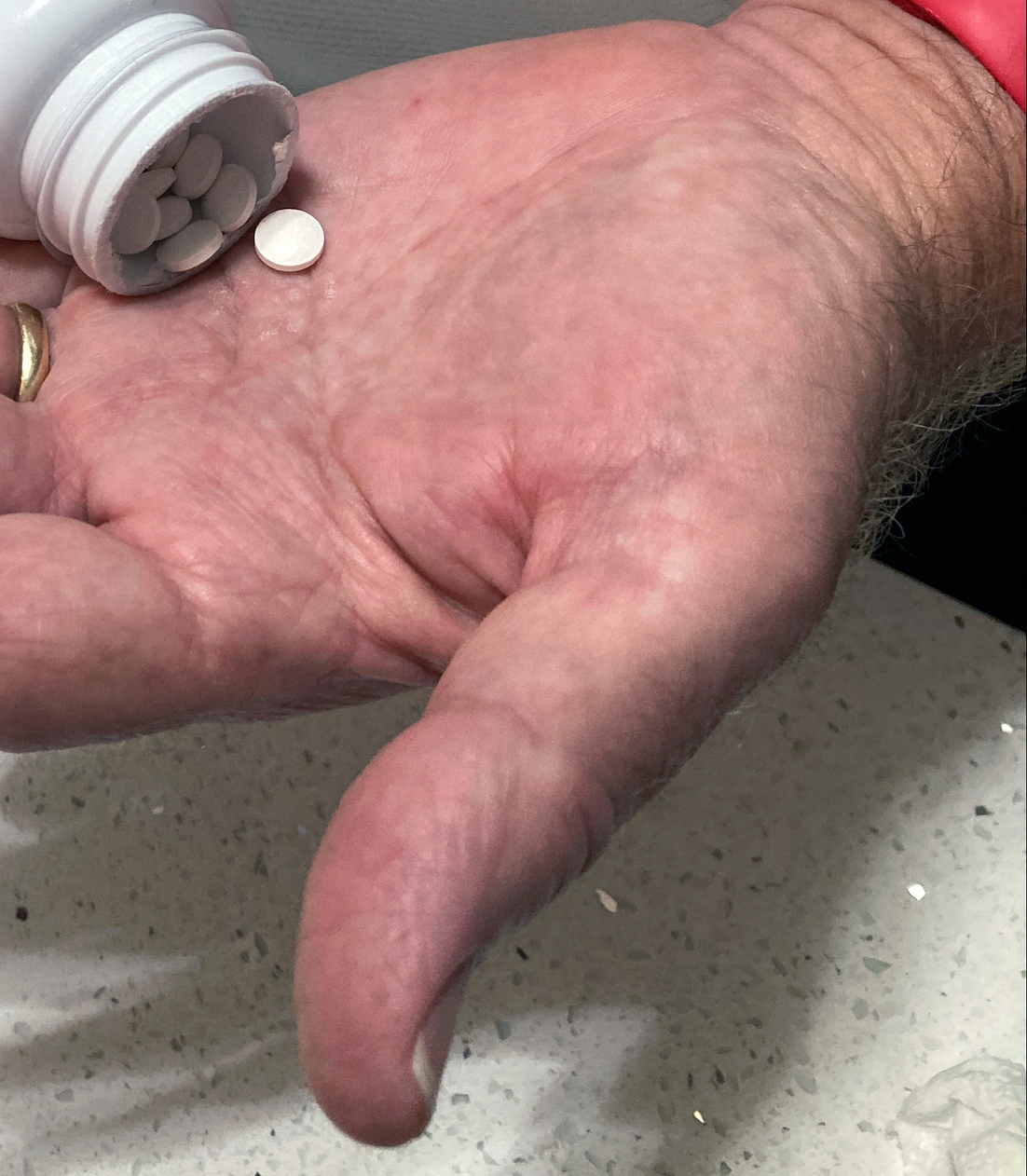 Melatonin is a hormone naturally produced in the body by the pineal gland, and it helps regulate the body’s sleep-wake cycle. Melatonin levels increase during darkness and decrease during daylight. Chemically identical synthetic versions of the hormone are often used to treat insomnia (difficulty falling and/or staying asleep) and jet lag. The supplements are widely available over the counter in many countries, including the U.S. In the U.S., over-the-counter supplements are not regulated, so each brand of supplement can vary in strength, purity, etc. In this study, researchers classified people who had used melatonin long-term (with long-term use defined as a year or more documented in their electronic health records) as part of the “melatonin group.” In contrast, those who never had melatonin recorded anywhere in their medical records were classified as the “non-melatonin group.” “Melatonin supplements may not be as harmless as commonly assumed. If our study is confirmed, this could affect how doctors counsel patients about sleep aids,” said Ekenedilichukwu Nnadi, M.D., lead author of the study and chief resident in internal medicine at SUNY Downstate/Kings County Primary Care in Brooklyn, New York. Melatonin supplements are promoted and marketed as a safe sleep aid; however, data demonstrating their long-term cardiovascular safety are lacking, which prompted the researchers to examine whether melatonin use alters the risk of heart failure, specifically in chronic insomnia patients. According to the American Heart Association’s 2025 Heart Disease and Stroke Statistics, heart failure occurs when the heart can’t pump enough oxygen-rich blood to the body’s organs for them to function properly and is a common condition that affects 6.7 million adults in the U.S. Using a large international database (the TriNetX Global Research Network), the researchers reviewed 5 years of electronic health records for adults with chronic insomnia who had melatonin recorded in their health records and used it for more than a year. They were matched with peers in the database who also had insomnia but never had melatonin recorded in their health records. People were excluded from the analysis if they had previously been diagnosed with heart failure or had been prescribed other sleep medications. The main analysis found:
A secondary analysis found:
“Melatonin supplements are widely thought of as a safe and ‘natural’ option to support better sleep, so it was striking to see such consistent and significant increases in serious health outcomes, even after balancing for many other risk factors,” Nnadi said. ”I’m surprised that physicians would prescribe melatonin for insomnia and have patients use it for more than 365 days, since melatonin, at least in the U.S., is not indicated for the treatment of insomnia. In the U.S., melatonin can be taken as an over-the-counter supplement and people should be aware that it should not be taken chronically without a proper indication,” said Marie-Pierre St-Onge, Ph.D., C.C.S.H., FAHA, chair of the writing group for the American Heart Association’s 2025 scientific statement, Multidimensional Sleep Health: Definitions and Implications for Cardiometabolic Health. St-Onge, who was not involved in this study, is a professor of nutritional medicine in the division of general medicine and director of the Center of Excellence for Sleep & Circadian Research in the department of medicine at Columbia University Irving Medical Center in New York City. The study has several limitations. First, the database includes countries that require a prescription for melatonin (such as the United Kingdom) and countries that don’t (such as the United States), and patient locations were not part of the de-identified data available to the researchers. Since melatonin use in the study was based only on those identified from medication entries in the electronic health record, everyone taking it as an over-the-counter supplement in the U.S. or other countries that don’t require a prescription would have been in the non-melatonin group; therefore, the analyses may not accurately reflect this. Hospitalization figures were also higher than those for initial diagnosis of heart failure because a range of related diagnostic codes may be entered for the hospitalization, and they may not always include the code for a new diagnosis of heart failure. The researchers also lacked information on the severity of insomnia and the presence of other psychiatric disorders. “Worse insomnia, depression/anxiety or the use of other sleep-enhancing medicines might be linked to both melatonin use and heart risk,” Nnadi said. “Also, while the association we found raises safety concerns about the widely used supplement, our study cannot prove a direct cause-and-effect relationship. This means more research is needed to test melatonin’s safety for the heart.” Study details, background and design:
Co-authors, disclosures and funding sources are listed in the abstract. Statements and conclusions of studies that are presented at the American Heart Association’s scientific meetings are solely those of the study authors and do not necessarily reflect the Association’s policy or position. The Association makes no representation or guarantee as to their accuracy or reliability. Abstracts presented at the Association’s scientific meetings are not peer-reviewed, rather, they are curated by independent review panels and are considered based on the potential to add to the diversity of scientific issues and views discussed at the meeting. The findings are considered preliminary until published as a full manuscript in a peer-reviewed scientific journal. The Association receives more than 85% of its revenue from sources other than corporations. These sources include contributions from individuals, foundations and estates, as well as investment earnings and revenue from the sale of our educational materials. Corporations (including pharmaceutical, device manufacturers and other companies) also make donations to the Association. The Association has strict policies to prevent any donations from influencing its science content and policy positions. Overall financial information is available here. Additional Resources:
### About the American Heart Association The American Heart Association is a relentless force for a world of longer, healthier lives. Dedicated to ensuring equitable health in all communities, the organization has been a leading source of health information for more than one hundred years. Supported by more than 35 million volunteers globally, we fund groundbreaking research, advocate for the public’s health, and provide critical resources to save and improve lives affected by cardiovascular disease and stroke. By driving breakthroughs and implementing proven solutions in science, policy, and care, we work tirelessly to advance health and transform lives every day. Connect with us on heart.org, Facebook, X or by calling 1-800-AHA-USA1. For Media Inquiries and American Heart Association Expert Perspective: American Heart Association Communications & Media Relations: 214-706-1173,ahacommunications@heart.org Karen Astle; Karen.Astle@heart.org For Public Inquiries: 1-800-AHA-USA1 (242-8721) heart.org and stroke.org More NewsView More
Five Below and Dollar Tree Earnings Signal a Shopper Shift ↗
Today 7:15 EST
Via MarketBeat

Ulta’s Stock May Be Set for a Glow-Up—20% Upside Ahead? ↗
December 06, 2025
Via MarketBeat
Tickers
ULTA

Gates Foundation Sells MSFT Stock—Should Investors Be Worried? ↗
December 06, 2025
Via MarketBeat
Tickers
MSFT
MarketBeat Week in Review – 12/1 - 12/5 ↗
December 06, 2025

Rocket Lab’s Big Rebound? Analysts Suggest the Dip's a Gift ↗
December 05, 2025
Via MarketBeat
Tickers
RKLB
Recent QuotesView More
Stock Quote API & Stock News API supplied by www.cloudquote.io
Quotes delayed at least 20 minutes. By accessing this page, you agree to the Privacy Policy and Terms Of Service.
© 2025 FinancialContent. All rights reserved.
|