
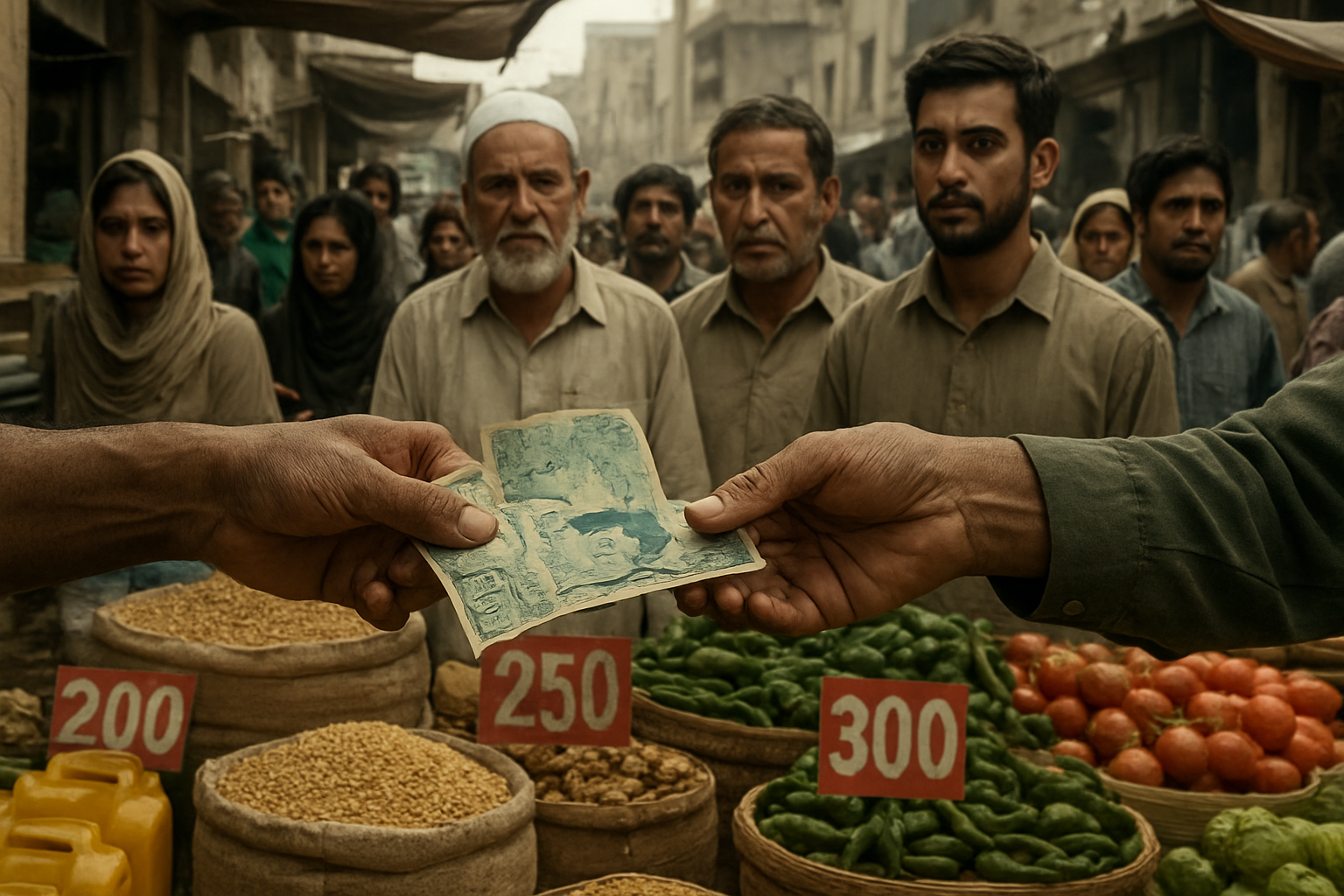
Islamabad, Pakistan – November 28, 2025 – Pakistan is once again in the throes of a significant economic challenge, battling persistent inflation exacerbated by a relentless surge in global and domestic commodity prices. As of November 2025, the nation's Consumer Price Index (CPI) inflation is projected to hover between 6.5% and 7.0%, a noticeable uptick from the 6.2% recorded in October, marking an 11-month high. This escalating cost of living is placing immense pressure on households, eroding purchasing power, and fueling widespread economic anxiety across the country. The immediate implications are stark, with essential goods becoming increasingly unaffordable, pushing more families into financial distress and casting a long shadow over the nation's fragile economic recovery efforts.
The current inflationary spiral is largely attributed to a confluence of factors, with rising commodity prices playing a pivotal role. From staple food items to critical energy resources, the cost of basic necessities has surged, directly impacting the daily lives of millions. This economic pressure is not merely an abstract figure; it translates into tangible hardship, forcing families to make difficult choices between food, fuel, and other essential expenditures. The government, along with the State Bank of Pakistan, faces a formidable task in reining in these inflationary pressures while simultaneously attempting to foster sustainable economic growth in a volatile global environment.
The Anatomy of a Price Surge: Unpacking Pakistan's Inflationary Battle
Pakistan's journey to its current inflationary predicament has been multifaceted. The nation experienced a historic peak in inflation, reaching an alarming 38% in May 2023. This was followed by a period of significant decline, with inflation bottoming out at 0.3% in April 2025, offering a brief respite. However, this relief proved temporary, as inflation began its upward climb once more, accelerating in recent months to its current levels. This resurgence is primarily driven by the escalating costs of key commodities. For instance, November 2025 has seen significant price increases in onions (up 59%), chicken (up 16%), and meat (up 15%), alongside a 12% rise in fresh vegetables. While tomato prices have seen a welcome 56% decline due to improved supply, the overall trend in food inflation remains a critical concern, often linked to "climateflation" – where extreme weather events like floods disrupt agricultural output and drive up costs.
Beyond food, energy costs are also contributing significantly to the economic pressure. The housing, water, electricity, and gas sector is projected to have seen a month-on-month increase of 0.79% in November, primarily due to a 2.83% hike in electricity charges. Liquefied Petroleum Gas (LPG) prices have also risen, further squeezing household budgets. Key players in this ongoing struggle include the Government of Pakistan, which is attempting to implement structural reforms and maintain fiscal discipline, and the State Bank of Pakistan (SBP), which manages monetary policy, including interest rates, to control inflation. International bodies like the International Monetary Fund (IMF) are also significant stakeholders, providing financial assistance often tied to economic reforms. The initial reactions from the market and the public have been one of growing apprehension; households are reporting severe strain on their budgets, with many struggling to afford basic groceries and daily expenses. This has led to heightened food insecurity and, anecdotally, an increase in social unrest across both urban and rural areas.
Corporate Fortunes Amidst Economic Headwinds: Winners and Losers
The pervasive inflation and rising commodity prices in Pakistan create a challenging environment for many businesses, yet some sectors and companies may navigate these turbulent waters more effectively than others. Generally, companies reliant on imported raw materials or those with high energy consumption are likely to face significant pressure, while businesses with strong pricing power, diversified supply chains, or those involved in essential goods production might be more resilient.
Potential Losers:
- Manufacturing Sector: Companies in manufacturing, particularly those producing goods with a high import component (e.g., steel, chemicals, electronics), will likely see their input costs soar. This includes companies like Lucky Cement (PSX: LUCK) and Fauji Cement Company (PSX: FCCL), who could face increased costs for fuel and raw materials, impacting their profitability and ability to offer competitive prices. Textile manufacturers, such as Nishat Mills (PSX: NML), heavily reliant on imported dyes and chemicals, may also struggle with higher production costs.
- Automotive Industry: Assemblers like Pak Suzuki Motor Company (PSX: PSMC), Indus Motor Company (PSX: INDU), and Honda Atlas Cars (Pakistan) (PSX: HCAR), which depend heavily on imported components, will face increased costs, potentially leading to higher vehicle prices and reduced demand.
- Airlines and Transportation: Companies such as Pakistan International Airlines (PSX: PIAC) will continue to grapple with elevated fuel costs, directly impacting their operational profitability and potentially leading to higher fares.
- Retailers of Discretionary Goods: As household budgets tighten, consumers tend to cut back on non-essential spending. Retailers specializing in discretionary items, rather than necessities, may see a decline in sales volume.
Potential Winners (or more resilient sectors):
- Essential Food Producers/Processors: Companies involved in the production and distribution of essential food items, especially those with local sourcing capabilities, might be more resilient. While they face input cost pressures, the inelastic demand for food allows for some pass-through of costs to consumers. Examples could include major food conglomerates like National Foods (PSX: NATF) or Engro Foods (PSX: EFOODS), provided they manage their supply chains effectively.
- Energy Sector (Domestic Producers): Domestic oil and gas exploration and production companies, such as Oil and Gas Development Company Limited (PSX: OGDCL) and Pakistan Petroleum Limited (PSX: PPL), could potentially benefit from higher global commodity prices, depending on their pricing agreements and export capabilities, though domestic price caps can limit this upside.
- Companies with Strong Export Focus: Businesses that primarily export goods and earn in foreign currency, such as certain textile exporters or IT service providers, might see improved profitability when local currency depreciates due to inflation, provided their input costs are not overwhelmingly imported.
- Financial Institutions (with caveats): While high inflation can lead to higher interest rates, which can benefit banks like Habib Bank Limited (PSX: HBL) or MCB Bank Limited (PSX: MCB) through increased net interest margins, it also carries risks of increased non-performing loans as borrowers struggle with higher costs and reduced economic activity.
The ability of these companies to manage their supply chains, control costs, and pass on price increases to consumers will be crucial in determining their financial performance amidst Pakistan's ongoing inflationary pressures.
Broader Implications and Historical Parallels
Pakistan's current struggle with inflation and rising commodity prices is not an isolated event but rather a symptom of deeper structural issues and broader global economic trends. The phenomenon of "climateflation," where extreme weather events like floods (as seen in Pakistan) disrupt agricultural output and supply chains, is becoming an increasingly significant factor globally, impacting food prices far beyond national borders. This event fits into a wider trend of supply-side shocks contributing to global inflationary pressures, alongside geopolitical tensions and post-pandemic demand shifts.
The ripple effects extend across the economy. Competitors in various sectors, particularly those reliant on imported inputs, face similar cost pressures, potentially leading to a widespread increase in prices across the board. Partners, especially international suppliers, may demand higher prices or more stringent payment terms, further straining local businesses. From a regulatory and policy standpoint, the government and the State Bank of Pakistan are under immense pressure to implement effective measures. The SBP's high real interest rates (projected between 4% and 4.5% in November 2025) are a classic monetary tool to combat inflation, but they also risk stifling economic growth and business investment. Fiscal discipline, including enhanced revenue mobilization and prudent expenditure management, is also crucial, as highlighted by the recent quarterly reduction in public debt.
Historically, Pakistan has a recurring history of battling high inflation, often linked to exchange rate depreciation, fiscal imbalances, and supply-side shocks. The peak inflation of 38% in May 2023 serves as a stark reminder of the economy's vulnerability. Comparisons can be drawn to similar periods where global commodity price spikes, such as during the 2008 financial crisis or earlier oil shocks, significantly impacted Pakistan's import-dependent economy. A recurring theme has been the challenge of implementing long-term structural reforms, addressing governance issues, and diversifying the economy to build resilience against external shocks. An IMF report even highlighted "state capture" and corruption as major contributors to the economic crisis, undermining fiscal stability and public trust.
The Road Ahead: Navigating Pakistan's Economic Future
The path forward for Pakistan's economy in the face of persistent inflation and rising commodity prices presents both short-term hurdles and long-term strategic imperatives. In the short term, the government's immediate focus will likely remain on managing food and energy inflation through a combination of targeted subsidies (though fiscally constrained), supply chain improvements, and potentially, administrative measures to control prices of essential goods. The State Bank of Pakistan will continue to monitor inflation closely, and its monetary policy committee will weigh the need to maintain tight monetary policy against the imperative to support economic growth.
Long-term possibilities necessitate deeper structural reforms. This includes enhancing agricultural productivity to reduce reliance on food imports and mitigate "climateflation" impacts, investing in renewable energy sources to lessen dependence on volatile global oil markets, and improving governance to combat corruption and foster a more stable business environment. Strategic pivots for businesses will involve prioritizing localized sourcing, exploring export opportunities, and improving operational efficiencies to absorb rising input costs. Market opportunities may emerge in sectors that can innovate to provide more affordable alternatives or those that can leverage domestic resources more effectively. Conversely, challenges will persist for import-heavy industries and those serving a consumer base with diminishing purchasing power.
Potential scenarios range from a gradual stabilization of inflation if global commodity prices ease and domestic policies prove effective, to a more prolonged period of high inflation if external shocks persist and structural issues remain unaddressed. A critical outcome will be the government's ability to sustain fiscal discipline and implement reforms recommended by international bodies like the IMF, which are crucial for maintaining investor confidence and securing further financial assistance. Investors should watch for continued efforts to broaden the tax base, privatize state-owned enterprises, and improve the ease of doing business. The trajectory of global oil and food prices will also remain a key determinant of Pakistan's economic health in the coming months.
Conclusion: A Nation at an Economic Crossroads
Pakistan's ongoing battle with rising inflation, fueled by escalating commodity prices, underscores a nation at an economic crossroads. The immediate impact on household budgets is severe, with the cost of essential food and energy pushing millions to the brink. While the government and the State Bank of Pakistan are actively engaged in managing these pressures through fiscal discipline and monetary policy, the persistent nature of the challenge highlights deep-seated structural vulnerabilities within the economy.
Moving forward, the market will be closely watching for sustained efforts in structural reforms, particularly in agriculture and energy, to build resilience against external shocks. The ability to enhance domestic productivity, improve supply chain efficiencies, and attract foreign investment will be crucial for fostering sustainable economic growth and alleviating inflationary pressures. For investors, monitoring global commodity price trends, the effectiveness of government policies in managing fiscal deficits, and the progress of long-term reforms will be paramount. The path ahead is undoubtedly challenging, demanding strategic foresight and consistent execution to navigate the complexities of both domestic and global economic forces and steer Pakistan towards a more stable and prosperous future.
This content is intended for informational purposes only and is not financial advice