Most conversations about delaying immediate reactions focus on willpower, discipline, or personal strength. That is useful, but it misses something important. A lot of our snap reactions are not moral failures or personality flaws. They are default settings. The brain is doing exactly what it was trained to do: respond fast, conserve energy, and chase relief. Learning to delay reactions is less about forcing yourself to be better and more about redesigning how your inner systems work.
Think about how this shows up in everyday life. You get an email that irritates you and your fingers hover over the keyboard. You see a sale and feel the urge to spend money you planned to save, which is why topics like debt consolidation resonate with so many people. These moments are not isolated mistakes. They are predictable outcomes of habits that reward speed over reflection.
When you approach delayed reactions as a system upgrade instead of a self-improvement test, the process becomes calmer and more practical.
Your Brain Loves Speed More Than Accuracy
The human brain evolved to react quickly. Speed once meant survival. Pausing to think could be costly in dangerous situations. The problem is that modern life is filled with emotional triggers rather than physical threats. Your brain still responds as if everything is urgent.
Immediate reactions feel good because they reduce discomfort fast. Snapping back at someone releases tension. Buying something gives a quick rush. Avoiding a difficult conversation brings relief. These short-term rewards train your brain to repeat the behavior.
Delaying reactions interrupts this loop. It creates a gap between the trigger and the response. That gap is where cognitive control lives. Over time, the brain learns that waiting is not dangerous and sometimes even rewarding.
Treating Impulses Like Notifications
One helpful shift is to stop treating impulses like commands. Instead, treat them like notifications. A notification gives information, not orders. You can acknowledge it without acting on it.
When an impulse shows up, name it. You might say, I am noticing the urge to respond right now. That simple act creates distance. Research on mindfulness shows that labeling thoughts reduces their emotional intensity, which is why practices recommended by organizations like the American Psychological Association are effective for impulse management.
This approach trains attention rather than suppression. You are not fighting the impulse. You are observing it.
Distraction Is Not Avoidance When Used Well
Distraction often gets a bad reputation, but when used intentionally, it is a powerful tool for delaying reactions. The key difference is timing. You are not avoiding the issue forever. You are buying time.
If you feel triggered, shift your attention briefly. Stand up and move. Focus on your breath for a minute. Change your physical environment. These actions help the nervous system settle.
Once the emotional surge passes, your thinking brain comes back online. That is when better decisions happen. The National Institutes of Health discusses how stress impacts decision making and self-regulation, which reinforces why stepping away temporarily can improve outcomes.
Reinforcing the Delay, Not Just the Outcome
Many people only reward themselves for perfect behavior. That makes learning harder. Instead, reinforce the delay itself.
If you paused before reacting, even briefly, that counts. If you waited five minutes instead of reacting instantly, that is progress. The brain learns through repetition and reward. When you acknowledge the pause, you strengthen the habit.
Over time, the delay becomes automatic. You stop needing to remind yourself. The system updates itself.
Why Long-Term Thinking Feels Unnatural at First
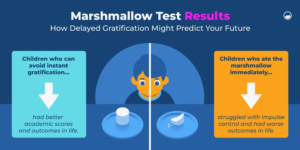
Choosing long term benefits over short term relief feels uncomfortable initially because your brain is not used to it. Long term thinking requires imagination and patience. Short term reactions require neither.
This is why practicing delay in small, low stakes situations matters. Do not start with the most emotionally charged moments of your life. Start with simple things. Wait before replying to a text. Pause before making a small purchase. Take a breath before speaking in a meeting. Each successful pause rewires expectation. The brain learns that waiting does not equal loss.
Building Environments That Support Pausing
Delayed reactions are easier when your environment supports them. Remove friction from good choices and add friction to impulsive ones. If you tend to react emotionally online, log out of accounts after use. If spending is a trigger, avoid saving payment information on devices. If stress fuels reactions, schedule recovery time into your day. This is not about self-control alone. It is about design. When your environment works with your goals, delaying reactions becomes less exhausting.
Patience as a Learned Skill, not a Trait
Patience is often treated like a personality trait. You either have it or you do not. In reality, patience is a skill built through practice and feedback. Learning to delay immediate reactions is about training cognitive control, practicing mindfulness and distraction techniques, and reinforcing behavioral patterns that favor long term benefits over short term impulses. None of that requires perfection. It requires consistency.
When you stop judging yourself for reacting and start studying how your reactions work, growth becomes easier. You are no longer fighting your brain. You are training it. Delayed reactions are not about becoming passive or emotionless. They are about choosing when and how you respond. That choice, practiced over time, becomes one of the most powerful tools for personal stability and long term wellbeing.