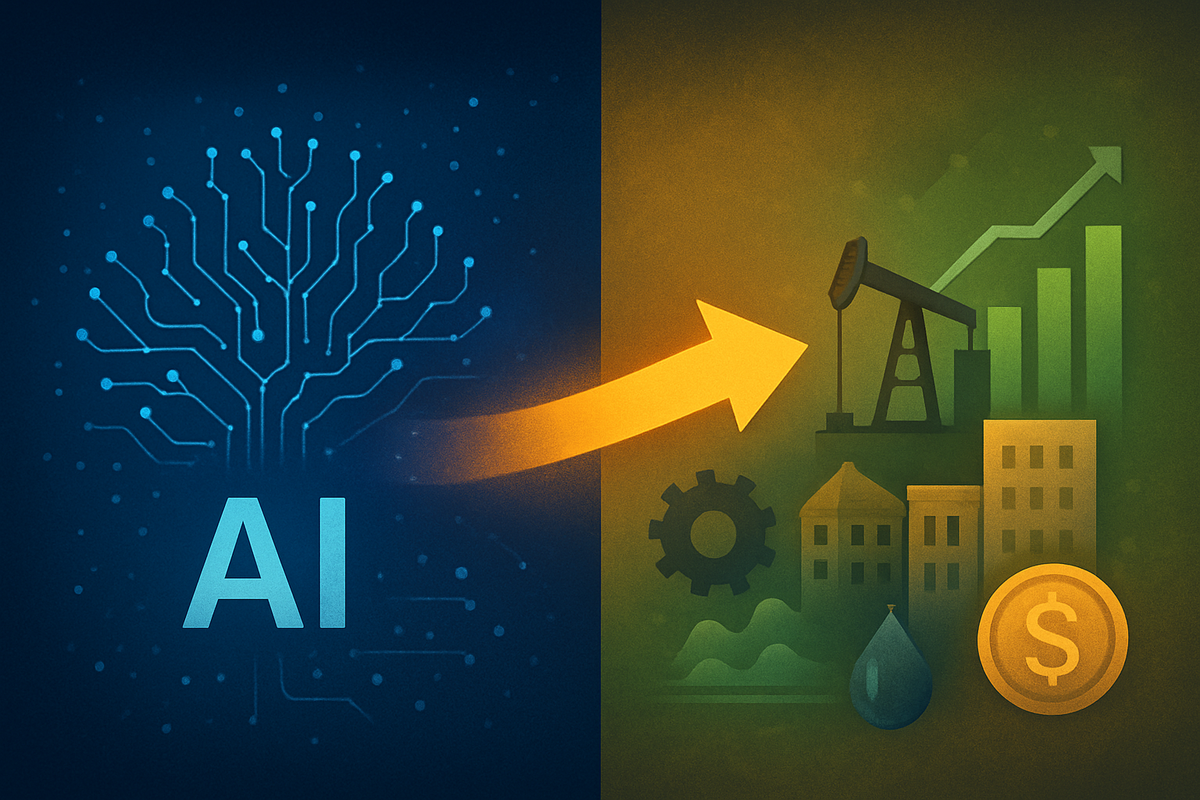
A significant shift is underway in the financial markets, as investors are increasingly reallocating capital away from the high-flying Artificial Intelligence (AI) focused stocks that have dominated recent years and towards a more diversified array of sectors within the broader market. This phenomenon, dubbed the "Great Rotation," signals a potential recalibration of market expectations and a maturing economic cycle, moving away from concentrated tech leadership towards a more balanced and fundamentally driven investment landscape.
The immediate implications of this rotation are multifaceted. It suggests a potential cooling of the elevated valuations seen in the AI and mega-cap technology sectors, while simultaneously opening opportunities for previously overlooked industries such such as industrials, energy, healthcare, and financials. This shift could lead to a more stable market environment, less reliant on the fortunes of a few dominant tech giants, but also introduces a period of heightened volatility as capital flows adjust across different segments.
The Shifting Tides: A Deep Dive into the Great Rotation
The "Great Rotation" from AI-focused stocks to the broader market is characterized by a deliberate and sustained reallocation of investment capital. For years, the market has been largely driven by the exceptional growth and innovation within the AI and technology sectors, with companies like Nvidia (NASDAQ: NVDA), Apple (NASDAQ: AAPL), Microsoft (NASDAQ: MSFT), Amazon (NASDAQ: AMZN), Alphabet (NASDAQ: GOOGL), Meta Platforms (NASDAQ: META), and Tesla (NASDAQ: TSLA)—often referred to as the "Magnificent Seven"—leading market indices to new highs. These companies benefited from insatiable demand for AI infrastructure, software, and related services, pushing their valuations to unprecedented levels.
The timeline leading up to this moment has seen a gradual build-up of concerns regarding the sustainability of these valuations and the narrowness of market leadership. While AI innovation continues apace, analysts and investors have begun to question whether the growth potential of these tech behemoths justifies their current stock prices, especially as interest rates remained elevated or showed signs of future cuts, making future earnings less valuable. This skepticism has been compounded by a desire for more diversified exposure, particularly as other sectors demonstrate resilience and attractive fundamental valuations.
Key players and stakeholders involved in this shift include large institutional investors, hedge funds, and retail investors, all re-evaluating their portfolios. Investment strategists and financial analysts are actively debating the duration and stickiness of this rotation, with many advocating for increased exposure to value stocks and small-cap companies. Initial market reactions have seen some of the AI darlings experience pullbacks or slower growth, while sectors like energy, utilities, and financials have shown renewed vigor and increased trading volumes. This indicates a growing appetite for companies with strong balance sheets, consistent dividends, and less speculative growth trajectories.
Winners and Losers: Navigating the New Investment Landscape
The "Great Rotation" promises to reshape the hierarchy of market leadership, creating clear winners and losers among public companies. Those heavily invested in or perceived as pure-play AI stocks, particularly those with valuations soaring on future potential rather than current profitability, face significant headwinds. The "Magnificent Seven" – Nvidia (NASDAQ: NVDA), Microsoft (NASDAQ: MSFT), Alphabet (NASDAQ: GOOGL), Apple (NASDAQ: AAPL), Amazon (NASDAQ: AMZN), Meta Platforms (NASDAQ: META), and Tesla (NASDAQ: TSLA) – which have largely propelled market gains, are now under increased scrutiny. A sustained shift away from these tech giants could lead to a recalibration of their stock prices and valuations as investors demand more tangible financial performance over speculative growth narratives. Furthermore, companies whose business models are susceptible to AI disruption, or those with unproven, substantial AI investments without clear monetization strategies, like some content creation platforms or even some semiconductor companies facing "AI capex digestion risk" in coming years, could see their shares underperform.
Conversely, the rotation is poised to benefit sectors and companies that have been overshadowed during the AI boom, offering more attractive valuations and stable fundamentals. Healthcare and Biotechnology are consistently highlighted as potential new leaders, attracting capital due to their resilient nature and ongoing innovation. The Energy and Industrials sectors are also set to gain, especially companies involved in building the physical infrastructure necessary for AI, such as power generation, automation, and data centers. Firms like Eaton Corp (NYSE: ETN) and Trane Technologies (NYSE: TT) could be re-priced as essential enablers of the broader AI investment cycle, rather than just traditional industrials.
Financials, particularly regional banks, are expected to benefit from this shift, especially with anticipated declines in interest rates making their business models more attractive. The Materials sector is already showing signs of climbing as capital reallocates. Crucially, small-cap and value stocks across various industries are poised for a significant rebound. These companies, often characterized by strong fundamentals, stable earnings, robust cash flows, and attractive dividend yields, are expected to outperform large-cap tech as investors seek cheaper valuations and diversification. This influx of capital could provide these companies with improved access to funding for growth and development, fostering a more balanced and fundamentally sound market environment.
Wider Implications: A Paradigm Shift in Market Dynamics
The "Great Rotation" from AI-focused stocks to the broader market signifies more than just a tactical asset allocation; it represents a potential paradigm shift in market dynamics and broader industry trends. For years, the market's performance has been heavily concentrated in a handful of technology companies, leading to concerns about market breadth and the potential for a tech bubble. This rotation addresses those concerns by spreading capital across a wider array of sectors, potentially fostering more balanced economic growth and reducing systemic risk associated with over-reliance on a single industry.
The ripple effects on competitors and partners within and outside the tech sector will be substantial. For established tech companies heavily reliant on AI, the pressure to demonstrate tangible returns on their massive AI investments will intensify. Smaller, agile tech firms that can quickly adapt their AI offerings to solve real-world problems for diverse industries may find new avenues for growth, while those with less clear value propositions could struggle. For non-tech sectors, this influx of capital could spur innovation and accelerate digital transformation efforts, as companies gain access to funding to integrate AI and other advanced technologies into their operations, improving efficiency and creating new products and services.
Regulatory and policy implications are also noteworthy. Governments and regulatory bodies, which have been increasingly scrutinizing the market dominance of large tech companies, might view this diversification positively. A less concentrated market could alleviate some antitrust concerns, although the focus on ethical AI and data privacy will undoubtedly continue. Historically, such rotations have often followed periods of intense speculative growth in a particular sector, mirroring shifts seen after the dot-com bubble burst in the early 2000s or the Nifty Fifty era in the 1970s. These historical precedents suggest that while the initial transition can be volatile, it often leads to a healthier, more sustainable market foundation driven by fundamental value rather than pure growth narratives.
What Comes Next: Navigating a New Market Epoch
The "Great Rotation" Ushers in a period of significant short-term and long-term possibilities, demanding strategic pivots from investors and companies alike. In the short term, we can expect continued sector divergence, with tech-heavy indices potentially facing pressure while traditional sectors like financial services, energy, industrials, and healthcare gain momentum. There will be increased scrutiny on the profitability of AI ventures, pushing investors to demand tangible returns over speculative growth. "Picks and shovels" plays—companies providing the foundational infrastructure for AI, such as semiconductor manufacturers like Broadcom (NASDAQ: AVGO) or industrial automation firms—are likely to see sustained interest due to their demonstrable earnings and cash flow. Emerging markets, particularly those with robust growth and attractive valuations, could also experience accelerated capital inflows.
Looking further out, the long-term outlook suggests a market with broadened leadership, moving away from the concentrated dominance of a few tech giants. This shift will likely foster a more mature and selective investment environment where fundamental strength, clear profitability, and adaptability are highly rewarded. AI's influence will expand beyond pure tech companies, integrating into core businesses across various industries to enhance operational efficiency and create new revenue streams. Companies that can effectively leverage AI to improve their bottom line will be favored. This period might also see industry consolidation within the AI sector, as larger, more established tech firms acquire struggling startups that lack clear paths to profitability.
Strategic pivots are crucial for navigating this new epoch. Investors must prioritize diversification across asset classes, sectors, and geographies, moving beyond concentrated tech holdings. A renewed focus on fundamentals, value, and high-quality dividend stocks will be paramount. Active management strategies, particularly in under-appreciated categories, are likely to outperform passive approaches. For companies, especially AI-focused startups, demonstrating clear profitability and tangible value creation will be key to attracting and retaining capital. Those involved in building AI infrastructure need to emphasize financial resilience and cash-flow visibility. Market opportunities abound in non-tech sectors, AI infrastructure providers, emerging markets, and value-oriented small and mid-cap stocks, while challenges include persistent AI "bubble" concerns, valuation pressures in large-cap growth, and the complexities of AI monetization and evolving regulatory scrutiny.
The Dawn of Diversification: A Concluding Perspective
The "Great Rotation" represents a pivotal moment in financial markets, signifying a fundamental recalibration after years of narrow, tech-led rallies. The key takeaway is a move towards broader market participation, where investment decisions are increasingly driven by fundamental value, sustainable profitability, and diversified growth rather than speculative hype in a single dominant sector. This shift underscores the cyclical nature of markets and the enduring importance of a balanced investment approach.
Moving forward, the market is likely to be characterized by increased discernment. Investors will continue to differentiate between genuine AI innovation that drives productivity and profitability and ventures built on unproven narratives. This could lead to a healthier market where gains are more evenly distributed, reducing the systemic risks associated with over-concentration. While the transition may bring periods of volatility, the ultimate outcome could be a more robust and resilient market ecosystem.
What investors should watch for in the coming months includes the trajectory of interest rates, which could further influence capital flows towards value-oriented sectors. The earnings reports of both AI giants and traditional industry leaders will be critical indicators of how this rotation is impacting corporate performance. Furthermore, any new regulatory developments concerning AI or large tech companies could also sway investor sentiment. Ultimately, the "Great Rotation" is not merely a fleeting trend but a significant re-evaluation of market priorities, emphasizing the timeless principles of diversification, fundamental analysis, and prudent risk management in a rapidly evolving economic landscape.
This content is intended for informational purposes only and is not financial advice