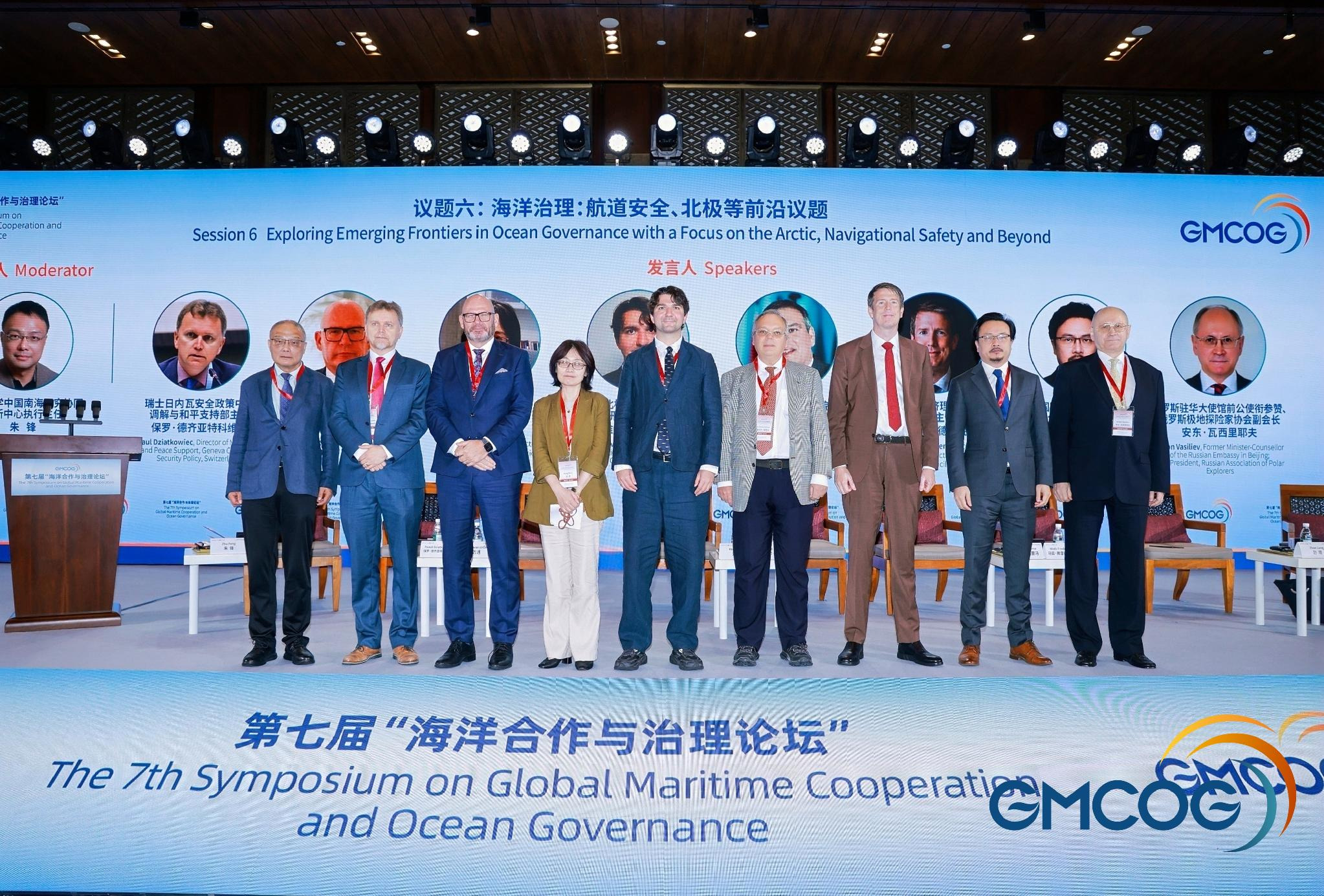
HAINAN, CN / ACCESS Newswire / November 12, 2026 / The 7th Symposium on Global Maritime Cooperation and Ocean Governance, hosted by the Huayang Center for Maritime Cooperation and Ocean Governance, was held in Sanya, China, from November 6 to 8, 2026. Session 6 focused on Arctic shipping, submarine infrastructure security and deep-sea mining.
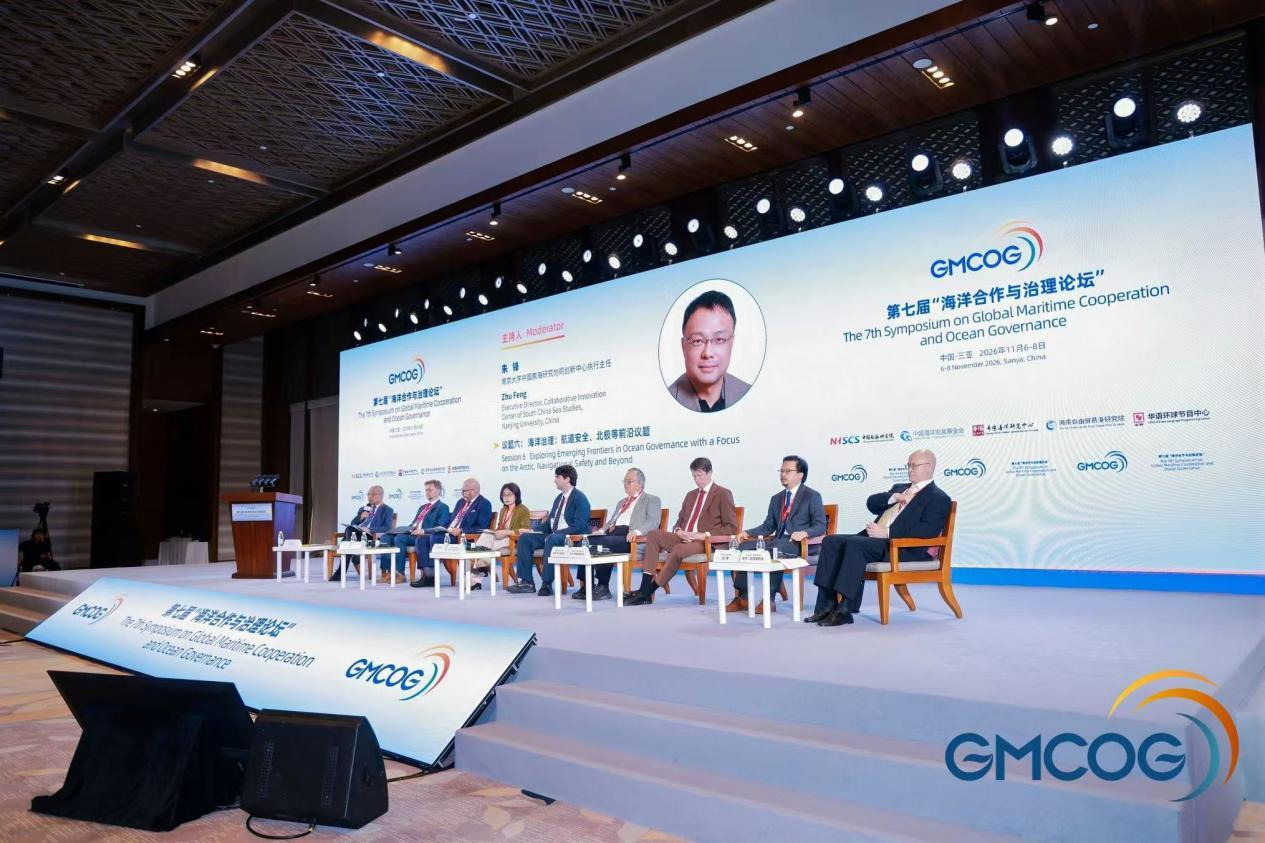
Niklas Swanström from the Institute for Security and Development Policy emphasized the vulnerability of submarine cables and pipelines. He argued that existing legal frameworks have struggled to address the challenges exposed by recent incidents in the Baltic Sea. Insufficient trust and transparency complicate investigations and international responses. He proposed practical measures, including timely incident notification, joint investigations and information sharing.
Zhao Long from Shanghai Institutes for International Studies examined how disruptions at maritime chokepoints affect global supply chains. He suggested that Arctic shipping could provide additional transport options, but cannot replace established maritime corridors.
Mads Frederiksen from the Arctic Economic Council similarly identified inadequate infrastructure, limited investment and shortages of skilled personnel as barriers to Arctic shipping.
Turning to deep-sea mining, Hong Nong from ICAS highlighted uncertainties over long-term environmental impacts of new technology and the challenge of reconciling divergent national regulatory approaches with an international framework. Anthony Grima reinforced the importance of multilateral governance. He emphasized that unilateral regulatory approaches risk fragmenting the international legal order. Existing frameworks remain essential, but they need to adapt to technological and environmental change.
Other sessions raised related concerns. Su Wai Mon from NUS emphasized that modern maritime security requires cooperation across maritime, terrestrial, cyber and space domains, involving both governments and industry.
In his opening remark, former Singaporean Foreign Minister George Yeo identified maritime safety and environmental protection as areas for practical cooperation, also noting that joint resource development requires greater mutual trust.
These discussions suggest two priorities in South China Sea cooperation.
First, governance frameworks need better coordination and practical implementation. As countries adopt different regulatory approaches to emerging maritime activities, ensuring coherence among national, regional and international governance frameworks has become increasingly important. Effective implementation in areas such as submarine cable protection, navigational safety and emergency response, clearer notification procedures, technical information sharing could help reduce uncertainty.
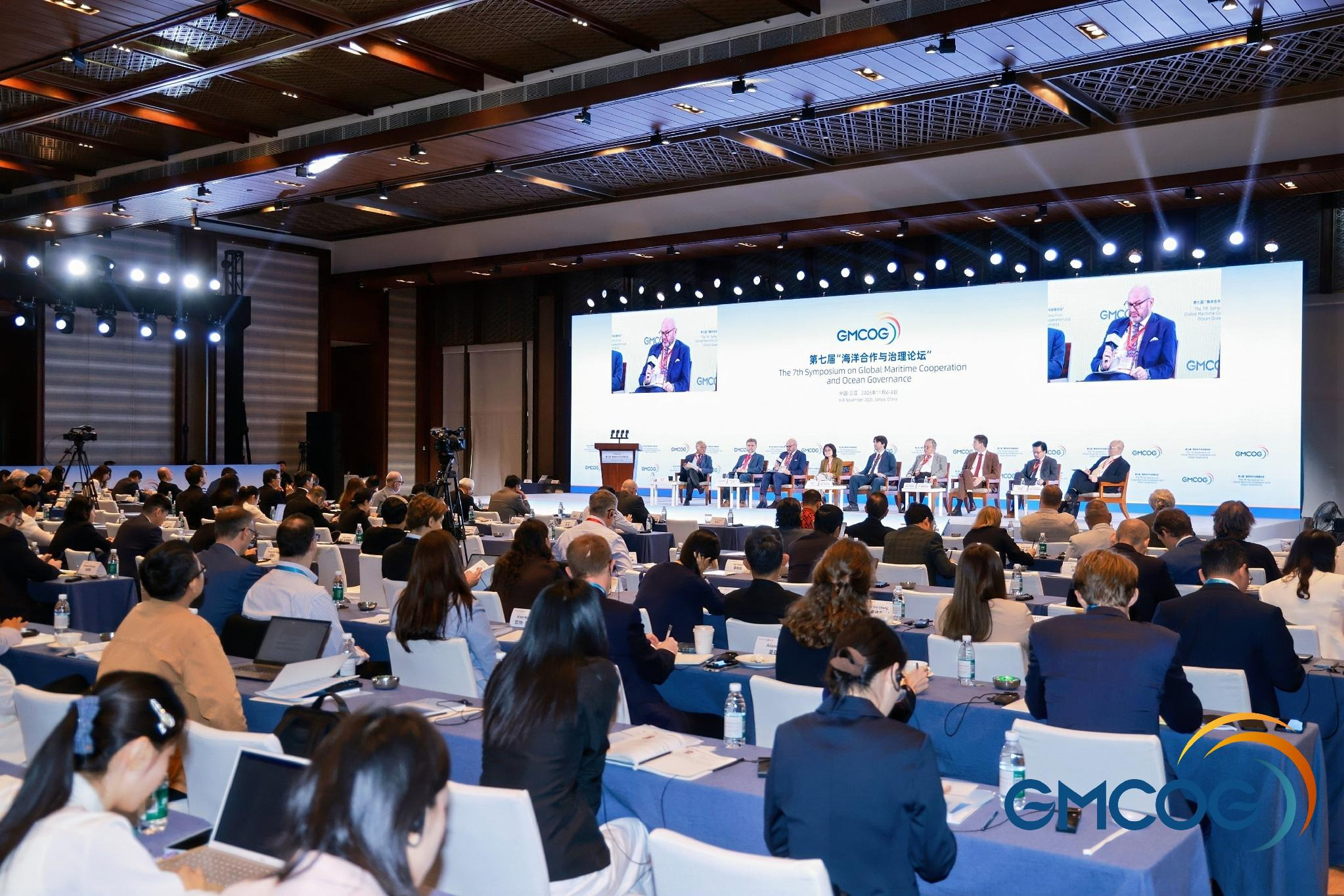
Second, cooperation should involve more actors, including scientific institutions, industry stakeholders, maritime operators and think tanks. As new technologies reshape maritime activities, governments alone may lack the technical data and operational capacity needed to address emerging challenges. Greater involvement of these stakeholders could improve environmental monitoring, infrastructure protection and emergency preparedness.
The Arctic and the South China Sea face different conditions, but both require functional cooperation. In the South China Sea, such cooperation may not eliminate geopolitical competition, but it can protect essential activities and provide a basis for building trust.
Media Contact:
Company: Huayang Center for Maritime Cooperation and Ocean Governance
Contact Person: Jason
Email: yanzhi.diao@aoss.tv
Website: https://www.huayangocean.com/
SOURCE: Huayang Center for Maritime Cooperation and Ocean Governance
View the original press release on ACCESS Newswire