


MINNEAPOLIS, MN / ACCESS Newswire / July 3, 2026 / In the world of enterprise digital transformation, cloud implementation is no longer optional-it's inevitable. But building these systems with precision, performance, and people in mind? That takes a special kind of architect. Anusha Atluri, a seasoned Oracle HCM Cloud Technical Lead and Integration Strategist, has spent the past 11 years turning rigid enterprise systems into responsive, human-first solutions. Her work has touched some of the largest Oracle ERP and HCM rollouts in North America-across logistics, entertainment, manufacturing, and consumer services.
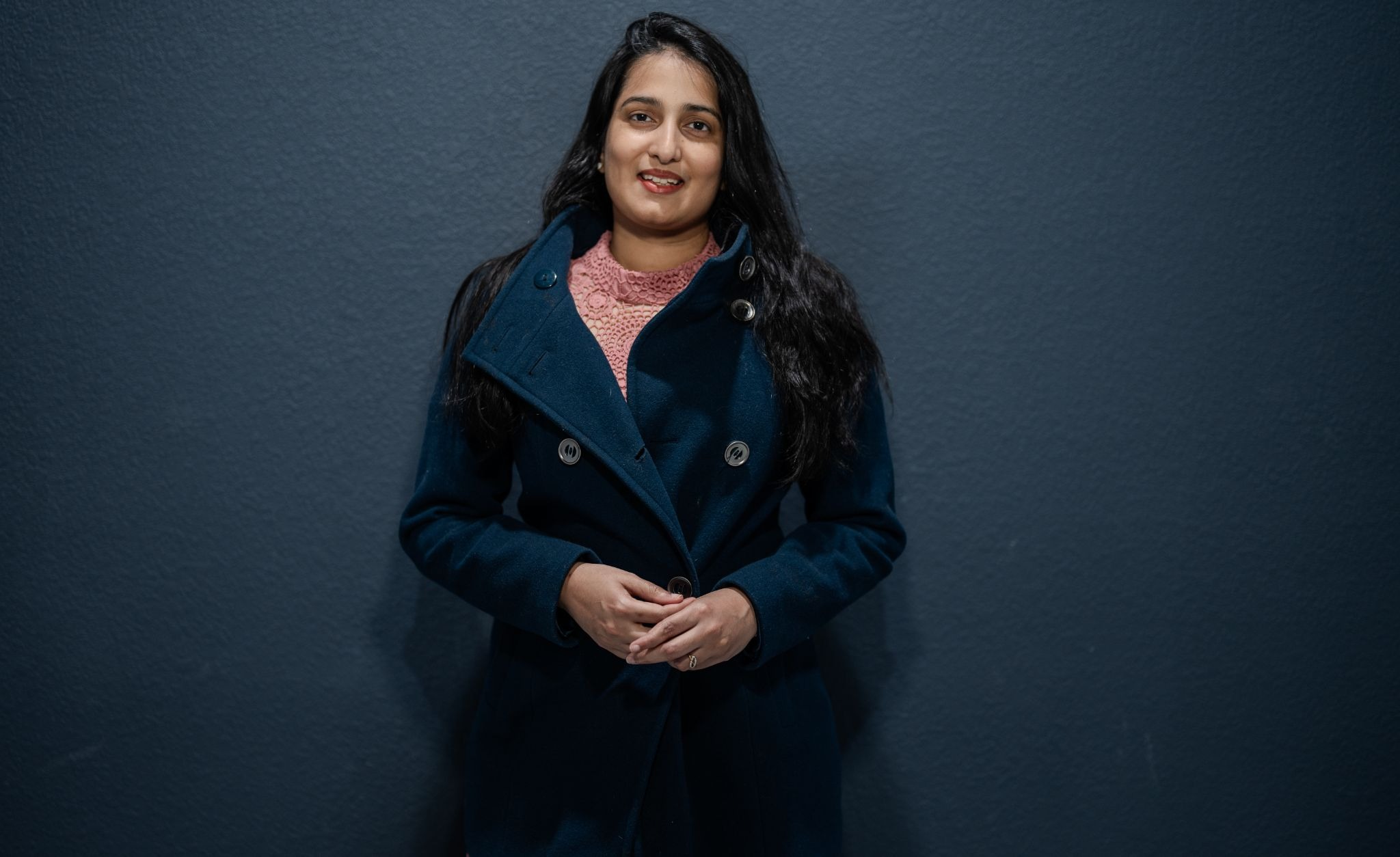
In this Q&A, we explore Anusha's journey, technical milestones, leadership insights, and her unique philosophy on cloud architecture.
Q: Anusha, you began as an HR analyst and are now a leading Oracle Cloud Architect. What sparked that transformation?
A: It started with curiosity. Working as an HR analyst, I was constantly asked to generate reports, clean data, or explain system issues. But I wanted to know what was behind the system-how it worked, how data flowed, how we could make it better. That curiosity led me into Oracle's ecosystem. I began learning HDL and FBDI data loaders, moved into HCM Extracts, and before I knew it, I was writing Fast Formulas and designing integrations. It was an organic evolution from solving problems to architecting solutions. My technical growth was grounded in a deep understanding of business needs-and that's what still guides me today.
Q: Let's talk about the Acosta transformation. What were you responsible for, and what set that project apart?
A: At Acosta, I served as the Senior Solution Architect and led a team of 15+ developers and analysts through one of their largest digital transformation projects-migrating from Oracle EBS to Fusion ERP on both SaaS and PaaS layers. What set this project apart was its complexity and scale. We were integrating Oracle HCM and SCM with multiple third-party platforms-ADP, Pulse, Fidelity, Thomas & Co., to name a few-through OIC (Oracle Integration Cloud).
My responsibilities spanned full lifecycle ownership: designing integrations, managing data migrations, setting up exception handling, and creating real-time monitoring dashboards. I also built reusable frameworks for error notifications, data retention, and analytics. One highlight was designing a real-time integration with 3PL systems for shipment and inventory movement. The impact was huge-business gained transparency, reduced manual errors, and improved payroll and compensation operations dramatically.
Q: That's highly technical. For business stakeholders, what value did they see from your work?
A: That's a great question. While the technology stack was robust-OIC, REST APIs, SOAP services, BI reports, HDL/FBDI-the real value was business continuity. My role ensured data moved from onboarding systems to payroll without friction. Compensation reports reflected real-time changes. Compliance files were always audit-ready. I created monitoring reports for failed ESS jobs, helped build OTBI dashboards for salary and performance history, and automated workforce compensation cycles.
So while IT teams appreciated the system architecture, business users valued the reliability, speed, and visibility we delivered. We weren't just building tech-we were delivering trust.
Q: You've also worked on Oracle Finance and Supply Chain integrations. How did that expand your architectural view?
A: Working beyond HCM allowed me to see the broader enterprise picture. For instance, at Caesars, I built integrations that pulled procurement contracts from ERP and passed them to e-Mudra for digital signatures. I also led initiatives that connected Fusion ERP with external WMS platforms, using OIC to handle high-volume shipment confirmation and receipt processing.
These projects sharpened my ability to create resilient, cross-functional integrations. You have to think beyond a single module and design systems that work holistically-considering dependencies, timing, error handling, and downstream impacts. That's where true architecture comes in.
Q: What technologies do you find indispensable in your work?
A: OIC is at the center of what I do. I use File Adapters, DB connections, REST and SOAP integrations, along with scheduled orchestration flows. HDL and FBDI are essential for bulk data operations, and OTBI/BIP for reporting. On the front-end, I've used JCS and VBCS to build custom UIs. I also rely heavily on Fast Formulas for payroll, compensation, and eligibility logic.
But beyond tools, it's the frameworks-like error handling, data retention strategies, or reusable value sets-that really create sustainable, enterprise-grade systems. I'm also investing more time in learning OCI infrastructure and low-code tools that integrate more seamlessly with Oracle Cloud.
Q: What's your leadership style when managing technical teams?
A: Collaborative, but structured. I believe in empowering team members with ownership while ensuring everyone aligns with the broader architectural vision. I start by documenting design clearly-flows, inputs, outputs, exceptions-and then I break down tasks based on strengths. I conduct regular syncs, build escalation paths, and insist on reusable code standards. Mentoring junior developers is a big part of my leadership-because growing people is as important as building systems.
Q: How do you stay ahead in such a fast-evolving tech space?
A: Certifications help-I'm certified in several Oracle Cloud Implementation tracks, ITIL, Scrum, and ServiceNow-but more importantly, I learn from projects. Every new integration or error case teaches me something. I also engage in community forums, follow Oracle release notes religiously, and invest time in prototyping new capabilities like AI/ML-driven HR analytics.
I also think soft skills are underrated-understanding business language, presenting to leadership, and communicating across technical and non-technical teams has been crucial in my career progression.
Q: What advice would you give young professionals entering cloud enterprise architecture?
A: Learn the "why," not just the "how." Anyone can configure a system or write a script, but understanding why a business needs a certain integration, what the data means, and how it impacts the user-that's what makes you invaluable. Start with core skills, ask deeper questions, and never stop refining your design thinking. Also, don't be afraid to take end-to-end ownership early in your career-it builds trust and depth.
Q: Looking ahead, what excites you most about the future of HCM and ERP in the cloud?
A: The convergence of AI, analytics, and integration. We're moving toward systems that not only execute but predict-from forecasting attrition to automating compensation planning. I'm excited about embedded intelligence in HCM, smarter BI reporting, and more agile cloud-native tools that democratize data access. The future is about building systems that adapt to people-not the other way around-and I'm thrilled to be part of that evolution.
Closing Note:
As enterprises continue to modernize, leaders like Anusha Atluri remind us that transformation is not just technical-it's human. With a career rooted in both engineering precision and empathy, Anusha is shaping the future of cloud-based work, one integration at a time.
Media Details
Name: Anusha Atluri
LinkedIn: https://www.linkedin.com/in/anusha-atluri-a09986123/
Country: United States
Email: anuatl54@gmail.com
SOURCE: Anusha Atluri
View the original press release on ACCESS Newswire





 Facebook
 Twitter
 YouTube