


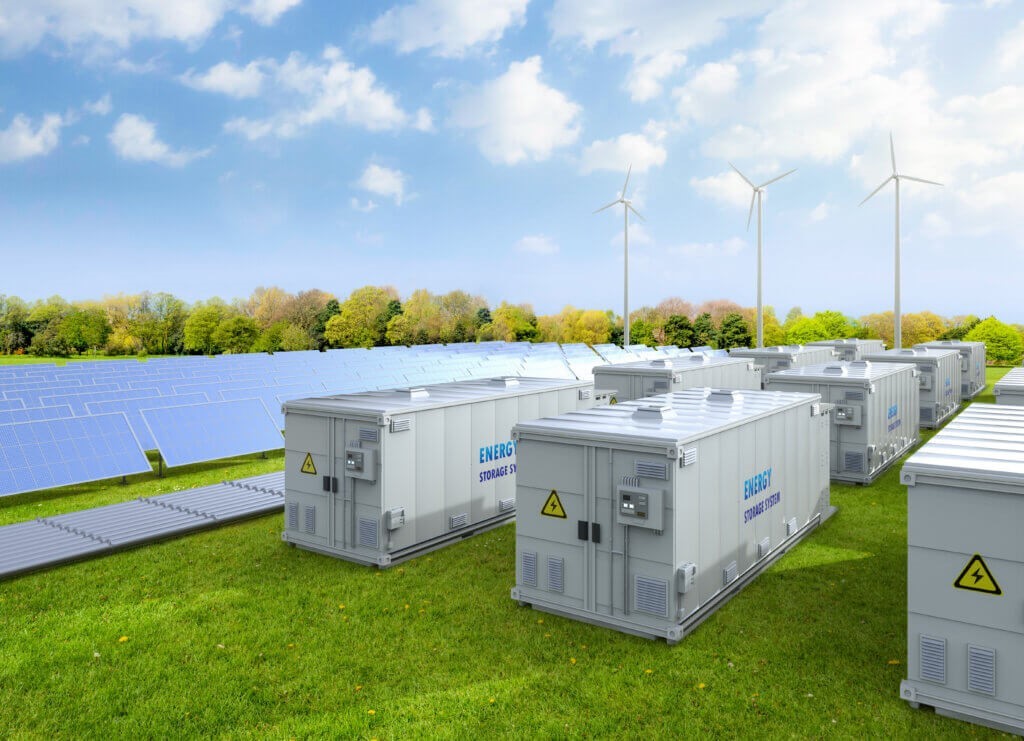
Microgrid energy storage systems have become indispensable in modern distributed energy networks. As renewable penetration increases and loads fluctuate unpredictably, storage is no longer just a backup—it actively shapes how energy is produced, stored, and consumed. Operators are constantly balancing three core objectives: meeting load demands, maintaining system reliability, and controlling costs. Achieving this balance requires careful integration of technology, operational strategies, and financial planning.
Storage’s value is most apparent when the grid faces stress, whether from sudden spikes in demand or extended outages. Well-integrated energy storage enables microgrids to respond immediately to changes, stabilizing voltage and frequency while ensuring that critical loads continue uninterrupted.
The Evolving Role of Storage in Microgrids
Energy storage now serves multiple interconnected purposes. Beyond simply storing energy, it smooths fluctuations from renewable sources, reduces peak demand on the main grid, and supports critical infrastructure during outages. Storage is no longer just a “silent backup”; it is a proactive participant in energy management.
Rapid Response to System Variability
Some scenarios demand near-instantaneous action. A cloud covering a solar array, a motor starting in a factory, or a sudden drop in wind generation can create spikes that destabilize the system. In these moments, storage must react quickly, supplying energy in milliseconds to keep the system balanced. Prioritizing responsive power over sheer capacity often prevents larger disruptions more effectively.
Maintaining Power During Extended Outages
Other situations emphasize endurance. Hospitals, data centers, and communication hubs require several hours of continuous power during grid outages. Simply oversizing storage to meet these needs is not always economical. Instead, careful integration with demand management and operational controls can achieve reliable performance while limiting costs.
Sizing Storage Systems in Practice
Determining the right size of a storage system is less about formulas and more about understanding context. Which loads are critical? How long might the grid be unavailable? What operational strategies are in place to reduce energy draw? Answering these questions is key to effective sizing.
Integrating Operational Strategy
Operational practices dramatically influence effective storage needs. Systems that actively shed non-critical loads or manage demand can maintain reliability with smaller storage capacity. Conversely, systems without disciplined load management may require larger batteries to cover uncertainties. In practice, thoughtful operational integration often outweighs simply increasing hardware size.
Coordinating with System Components
Storage performance depends on how it interacts with inverters, renewable generation, and backup generators. When designers account for these interactions, they often avoid unnecessary oversizing, improving both efficiency and cost-effectiveness. A modestly sized storage system paired with intelligent control frequently outperforms a larger, less-managed alternative.
Reliability and Cost Trade-Offs
Reliability and cost rarely move in parallel. Larger storage offers longer autonomy and greater resilience, but it also brings higher upfront costs and operational complexity. Smaller storage reduces capital expenditure but may increase generator use or require tighter operational coordination.
Choosing the Right Technology
Battery chemistry and design play a crucial role. Lithium-ion batteries provide compact, efficient storage suitable for frequent cycling and rapid response, but they can degrade if deeply cycled repeatedly. Long-duration options, such as flow batteries, offer extended autonomy and longer life but typically require more space and higher initial investment. Each choice influences the balance of reliability versus cost.
Hybrid Approaches for Practical Balance
Many microgrids benefit from a hybrid approach, combining responsive, short-duration storage with longer-duration energy solutions or demand-side flexibility. This strategy maintains resilience for immediate spikes while ensuring coverage for prolonged events. For example, deployments that use HT infinitepower energy storage solutions demonstrate how integrated hybrid storage can simplify system management, deliver reliable performance, and optimize investment.
Control Strategies and Operational Considerations
Even the best batteries cannot guarantee reliability without effective control. The energy management system (EMS) coordinates charge and discharge, prioritizes loads during islanding, and adapts to battery performance changes over time.
Predictive and Adaptive Management
Using forecasts of load and renewable generation, EMS can schedule storage usage to minimize unnecessary cycling, extending battery life. Adaptive strategies adjust operations in real-time based on battery health, operational priorities, and evolving system conditions.
Operator Preparedness and Real-World Response
Sophisticated controls are only part of the equation. Operators must understand system behavior under real-world conditions, including outages, rapid load changes, or extreme weather. Training and scenario-based testing ensure human responses complement technological capabilities.
Economic and Financing Perspectives
Total project costs extend beyond equipment purchase. Installation, integration, maintenance, and eventual battery replacement all contribute to lifecycle expenditure. Accurately assessing these factors is crucial for project viability.
Flexible Financing and Risk Mitigation
Models such as energy-as-a-service or grants for resilience projects can shift operational and financial responsibilities to service providers. While outsourcing can reduce in-house burdens, ownership models often give more control over long-term costs. The choice of financing should align with both operational goals and expected system performance.
Lessons from Implementation
Real-world deployments consistently show that hybrid approaches deliver the most balanced results. Combining responsive short-duration batteries with longer-duration strategies, paired with intelligent EMS and trained operators, maximizes system reliability and efficiency. Integrated solutions like HT infinitepower energy storage solutions illustrate how a single platform can simplify deployment while allowing flexibility to meet site-specific requirements.
The key takeaway is that designing microgrid storage is not about simply buying the largest battery. It requires a holistic understanding of loads, operational practices, system interactions, and economic trade-offs. When these factors are thoughtfully integrated, microgrids achieve both resilience and cost-effectiveness.
Conclusion
Microgrid energy storage is a strategic instrument for balancing load, reliability, and cost. Success depends on understanding real-world conditions, selecting appropriate technology, integrating operational strategy, and planning for long-term system behavior. When designed with context and flexibility, microgrid storage delivers resilient, efficient, and economically viable energy solutions.





 Facebook
 Twitter
 YouTube