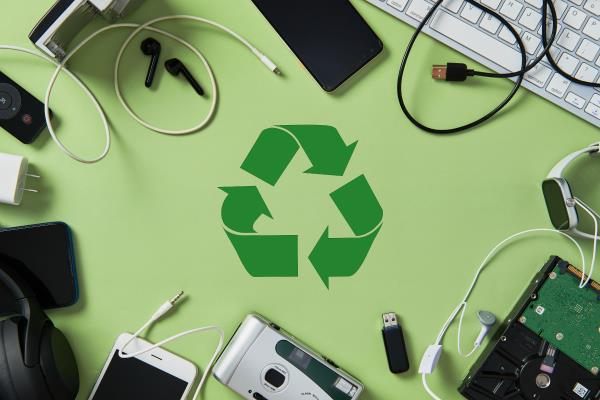
SPONSORED CONTENT -- (StatePoint) Phones are essential to everyday life, but they also come with an environmental footprint.
New survey data from Allstate Protection Plans shows that Americans are thinking more seriously about that impact. The challenge is that habits around recycling, trade-ins, and refurbished devices are still lagging behind awareness.
Allstate Protection Plans’ latest mobile survey shows that 52% of Americans say the environmental impact of smartphones is extremely or very important. That is a strong signal that sustainability is no longer a niche issue in consumer tech. People are paying attention not just to what their phones do, but to what happens to them over time.
That shift is also showing up in how people think about refurbished devices. Nearly two-thirds of consumers, 65%, say refurbished electronics are both economical and sustainable. People increasingly understand that extending the life of a device can reduce waste and deliver real value.
But there is still a gap between what consumers believe and what they do. While many people see the benefits of refurbished devices, only 18% say they have ever bought a refurbished phone. The same disconnect shows up in recycling. Only 20% of consumers say they recycle their old phones, while 8% still throw them in the trash. Another 26% say they are not confident they know how to recycle a phone properly.
That uncertainty helps explain why so many devices never make it back into the circular economy. Instead, they sit unused at home. In fact, the average household has 1.8 unused smartphones tucked away in drawers. One forgotten phone may not seem like much, but across millions of households, those unused devices represent a major missed opportunity for reuse, refurbishment, or responsible recycling.
At the same time, ownership habits are changing in ways that could support a more sustainable future. Consumers are keeping their phones longer. Twenty-three percent say they keep their phones for three to four years, and 21% say they only upgrade when their phone breaks. Battery life now ranks ahead of price as the top factor influencing purchase decisions.
These shifting priorities are good for consumers, and good for sustainability. Holding onto devices longer, protecting them from damage, repairing them when possible, and making smarter end-of-life decisions all help reduce unnecessary waste.
The takeaway is that more responsible electronics ownership doesn’t have to be complicated. Small actions can make a real difference. Consumers can trade in old devices instead of letting them collect dust. They can use certified electronics recycling programs instead of throwing phones away. They can donate working phones so someone else can keep using them. And when it is time for a replacement, they can consider refurbished models as a practical, lower-waste option.
A few simple steps can also make phone recycling feel easier and more secure. Backing up data, signing out of personal accounts, performing a factory reset, and removing SIM or memory cards can help people feel more confident about passing a device on for reuse or recycling.
The good news? Consumers already care. Now the opportunity is to turn that awareness into action. One traded-in phone, one recycled device, one refurbished purchase at a time, consumers can help cut e-waste and move personal tech in a more sustainable direction.
Photo Credit: (c) photoguns / iStock via Getty Images Plus