Inkjet printing has secured a prominent position in graphic arts printing, largely attributed to advancements in water-based pigment inks. This article explores the influence of ink formulation selection on printhead compatibility, print quality, and production efficiency.
For water-based inks, print quality and drying efficiency are inherently intertwined.
Firstly, the ink must be sufficiently "thin"—possessing ultra-low viscosity to flow smoothly through printhead nozzles finer than a human hair and eject with precision. Simultaneously, it must be sufficiently "robust": upon contacting paper or canvas, it should rapidly fix colors to form sharp, vivid, and non-bleeding dots. To achieve this, ink formulations require the careful blending of multiple additives.
Deionized water serves as the primary carrier of the ink, with its proportion ranging from 30% to over 50%. The higher the water content, the more energy required for subsequent drying. To prevent ink from drying and clogging nozzles, humectants such as glycerin and ethylene glycol are added; however, these substances are often difficult to volatilize, and residues may affect print quality. Co-solvents and surfactants are incorporated to control ink spreading on the medium and regulate dot size. Most critically, the pigments themselves require special resin encapsulation to ensure uniform suspension in water and secure adhesion to the medium surface. Additionally, considerations must be given to pH balance, mold prevention, and defoaming.
Thus, even with similar ingredient lists, variations in formulation ratios and production processes can result in vastly different ink performance—much like how flour can be transformed into either muffins or noodles. A successful formulation must simultaneously achieve three key objectives: perfect compatibility with the printhead, optimal color development and drying performance on the medium, and long-term color stability and abrasion resistance.
Today, water-based pigment ink products featuring enhanced environmental friendliness, faster drying speeds, wider color gamuts, and greater durability are continuously entering the market, significantly driving the advancement of graphic arts printing toward higher quality and efficiency.
OBOOC Large-Format Pigment Ink: Eco-Friendly, Stable, Super Compatible, and Printhead-Safe!!
1. No Printhead Clogging: All raw materials undergo rigorous ultra-purification treatment prior to production.
2. Exceptional Stability: Features non-degradation, no sedimentation, and resistance to fading, with stable chemical properties.
3. Natural and Lifelike Colors: OBOOC ink is refined through precise ingredient and chromaticity adjustments, combined with strict scientific processing techniques—ensuring bright, vivid, and true-to-life print colors for every product.
4. 100% Compatibility: Fully compatible with original equipment manufacturer (OEM) inks, guaranteeing consistent, round, uniform, and sharp ink droplets.
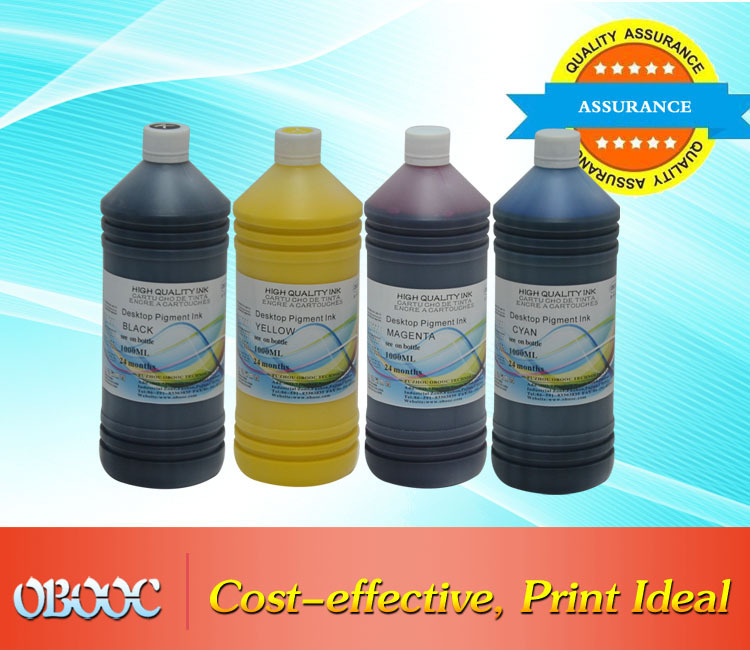
OBOOC Water-Based Pigment Ink: Eco-Friendly, Stable, Super Compatible, and Printhead-Safe
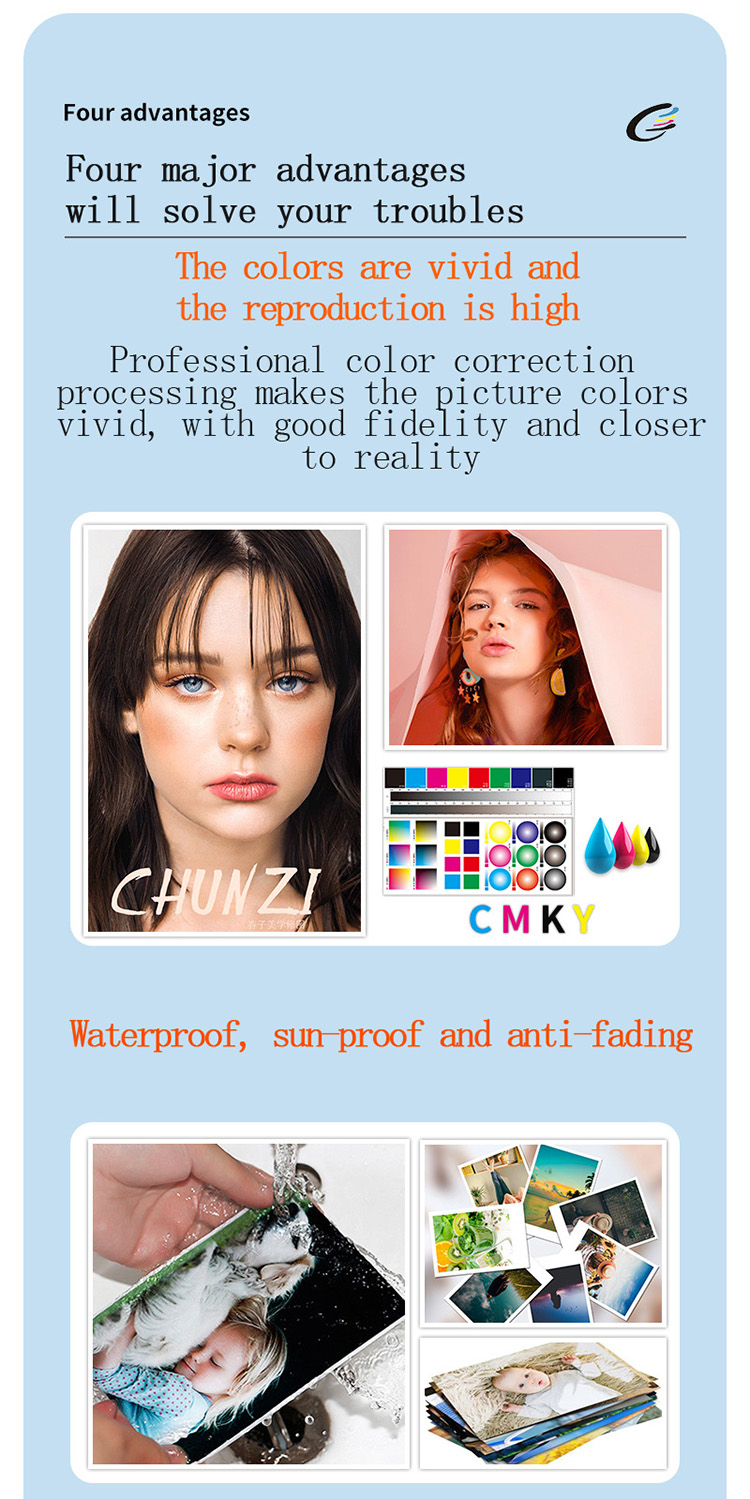
OBOOC Water-Based Pigment Ink delivers vibrant colors, with printed images that are natural and lifelike.
Media Contact
Company Name: Fujian AoBoZi Technology Co., Ltd.
Email: Send Email
Country: China
Website: https://www.aobozink.com/