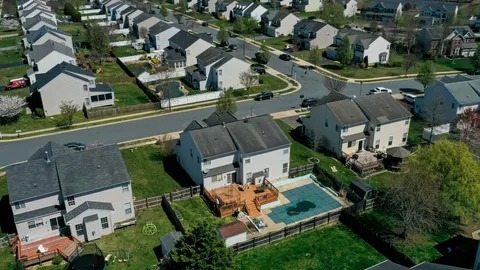
For many would-be buyers, the housing market feels like it is sending mixed signals. Listings are up in several regions, price growth has slowed compared with the peaks of the pandemic era, and yet the sense of affordability seems to be slipping further out of reach. The contradiction is not just anecdotal. It reflects a deeper disconnect between what the numbers suggest and how households actually experience the market.
On the surface, the data looks encouraging. Inventory has improved from historic lows, bidding wars are less common, and price curves in some cities have flattened. These indicators are often interpreted as signs of a market correcting itself. But affordability is not determined by price alone, and this is where the picture becomes more complicated.
One reason the increase in listings has not translated into relief is the layering of costs that sit beyond the sticker price. Mortgage rates may have stabilized, but they remain materially higher than they were only a few years ago. Property taxes, insurance premiums, and maintenance costs have all risen, sometimes sharply. For households budgeting at the margin, these incremental increases matter as much as the sale price itself.
There is also a growing mismatch between what is being built or listed and what buyers actually need. In many markets, new supply skews toward smaller units or higher-end homes, while demand remains strongest for mid-priced, family-oriented properties. More homes on the market does not automatically mean more suitable homes, particularly for first-time buyers or families looking to move up without dramatically increasing their monthly costs.
Behavioral factors further complicate the story. Volatile interest rates over the past few years have made buyers more cautious. Even those who qualify on paper are taking longer to commit, running scenarios repeatedly, and hesitating in the face of uncertainty. The result is a market that looks active in terms of listings but sluggish in terms of confidence.
At the transaction level, real estate professionals are seeing this hesitation play out in subtle ways: longer decision cycles, more conditional offers, and a higher rate of deals that fail to close. Insights from firms such as Flex Group Realty suggest that demand has not disappeared; it has become more selective and more sensitive to total cost and long-term risk. Buyers are not just asking whether they can purchase a home, but whether doing so still makes financial sense given competing pressures on household budgets.
The implications extend beyond individual buyers and sellers. When housing feels unaffordable, mobility declines. People stay put longer, even when jobs, family needs, or lifestyle changes would normally prompt a move. This has knock-on effects for labour markets, urban planning, and regional growth, reinforcing inequalities between areas that remain accessible and those that do not.
None of this means the housing market is broken, but it does suggest that headline metrics are no longer sufficient guides. Affordability today is shaped by a web of financial, structural, and psychological factors that simple supply-and-demand charts struggle to capture.
What bears watching is not just how many homes come to market, but how costs evolve around them, how lending conditions adjust, and whether buyer confidence can stabilize after years of disruption. Until those pieces align, the paradox is likely to persist: more homes available, yet fewer people feeling that homeownership is truly within reach.
Media Contact
Company Name: flexgrouprealestate
Email: Send Email
Country: United States
Website: https://www.flexgrouprealestate.com/