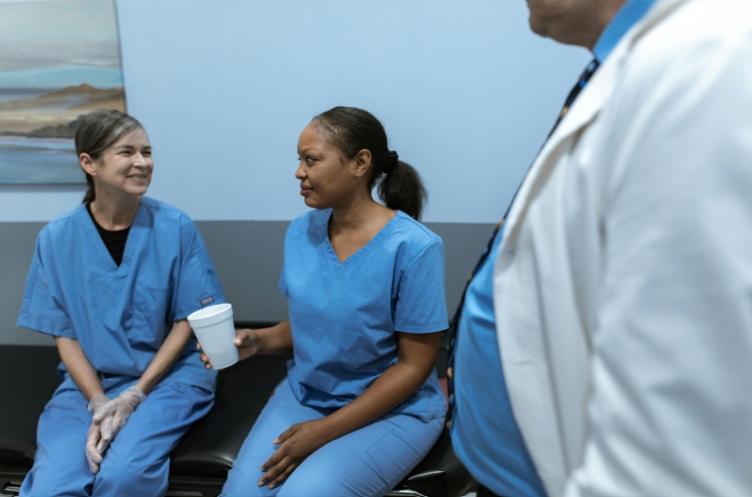
Hospitals across the United States are facing an unprecedented level of workforce challenges as nursing shortages, burnout and retention issues continue to put strain on the healthcare system. Now, the pressure has manifested in widespread nursing gaps, increasing turnover rates and rising concerns surrounding the quality of patient care.
The American healthcare system faces a unique paradox because while medical technology has reached unprecedented heights, the human foundation of the system is under severe structural strain. The ever-persistent hospital and nursing issues being grappled with involve an aging workforce, increasingly complex patient cases and a global nursing shortage that's been projected to reach up to 13 million by the year 2030.
For many Registered Nurses, the solution going forward may just mean transitioning from the bedside into advanced leadership positions and clinical roles through obtaining a Master of Nursing Science (MSN).
A Workforce Under Pressure
The challenges facing modern hospitals are no longer characterised by temporary cycles but have ventured toward being structural shifts. Understanding these issues is the first step toward building a stronger and more resilient healthcare system.
The Widening Gap
The US is currently operating under a severe nursing shortage, with some states reporting a deficit of up to 10 000 nursing roles that need to be filled just to maintain their basic service levels. Yet, these positions have remained vacant despite their best efforts.
This shortage is only further exacerbated by a massive impending retirement wave, with one-fifth of the current workforce planning to retire within the next five years.
Burnout and Moral Distress
Aside from the expected levels of exhaustion, many nurses are reporting a persistent feeling of moral distress. This distress is caused by the feelings of powerlessness they experience due to the systemic failures that prevent them from providing their patients with the level of care that they deserve.
Nearly 40% of nurses have reported feelings of mental and physical exhaustion, which are both leading predictors of staff depletion.
Increasing Patient Complexity
With the population continuing to age, there is inevitably an increase in the number of chronic conditions that occur as a result of aging. As these conditions become more prevalent and complex, nurses require advanced skills in evidence-based practice and data-driven clinical decision-making.
Faculty Shortage
The nursing shortage is ironically also self-perpetuating. Thousands of qualified nursing applicants are turned down annually due to a shortage of nursing teachers available for courses. This creates a bottleneck in the nursing pipeline.
Exploring Solutions Through Advanced Education
Healthcare experts have frequently pointed to advanced education and career development as being the ideal solution to these workforce challenges. Programs like graduate nursing degrees that expand your clinical expertise and leadership skills are seen as a way to both strengthen the workforce and improve the quality of care.
An advanced nursing degree like the Master's of Nursing Science can help prepare you for a leadership role, improve your patient outcomes and support system-wide improvements.
These programs often tend to focus on:
-
Evidence-based practice
-
Healthcare leadership
-
Patient safety and quality improvement
By equipping yourself with advanced skills, you can become part of the solution that aids the healthcare system in addressing both the immediate staffing needs and long-term structural challenges.
Retention Strategies Gaining Attention
Hospitals have realised that recruitment alone isn't going to solve the problem. This has led hospitals to implement various strategies to retain staff, making the job of being a nurse less taxing on your mental and physical well-being.
Some of the benefits being offered include:
-
Mental health and wellness support
-
Improved schedule flexibility
-
Increased wages and benefits
-
Tuition assistance and career advancement opportunities
As much as nursing is a helping profession, helping others shouldn't come at the cost of your own well-being. These new strategies being implemented will help you do your job to the best of your ability without depleting your own physical and mental resources.
Choosing a Path Towards Resilience
For many RN's, the decision to further their education hinges on flexibility. That's why modern online programs have become such a popular option. They are designed to perfectly fit the life of a working nurse.
They incorporate options and features like:
-
Asynchronous coursework
-
One course at a time
-
Dedicated student success coaches
-
Multiple start dates
-
Local clinical placements
These factors make it so much easier to fit your education into your work life, which means that advancing in your education is more realistic and attainable than before.
A System at a Crossroads
The challenges facing the current American healthcare system may be dire, but there is a solution. As more prospective nurses discover online courses, it's likely that the shortage of nursing teachers will no longer be a deterrent that causes the already short-staffed profession to lose even more potential healthcare workers.
Those already in the workforce who choose to further their education in order to take on more leadership roles will also play a vital part in rebuilding the healthcare system in America. As the nursing profession evolves, the demand for highly-skilled professionals will likely grow. Obtaining a Master's in Nursing Science will position you to be more than just a healthcare worker in the system. You will become an architect of its future, ensuring that hospitals remain places of safe, compassionate and effective care for many years to come.
Media Contact
Company Name: Spring Arbor University
Contact Person: Accredited online degrees
Email: Send Email
Country: United States
Website: https://online.springarbor.edu/