
Most people go through at least two or three iPhone cases before finding one they genuinely stick with. The first is usually bought in a rush immediately after getting the phone. The second corrects something the first got wrong. The third, if there is one, is usually the result of actually thinking it through. This guide is an attempt to get you to the right answer without the intermediate steps.
The iPhone case market is enormous and the quality variance within it is significant. Price is an imperfect guide. Some expensive cases are overpriced for what they deliver. Some mid-range cases outperform options that cost twice as much. What matters is matching the case to your specific habits and use case, which requires some honest self-assessment before any product comparison.
The Question Most People Skip
Before looking at any specific case, it is worth asking one question honestly: how careful are you actually with your phone? Not how careful you intend to be, but how careful you have been historically. The answer determines which protection category makes sense for your situation.
If you drop your phone regularly, a slim case is not the right choice regardless of how much you prefer the way it looks and feels. If you have never cracked a screen and your phone spends most of its time on a desk or in a pocket, a rugged case adds weight and bulk that serves a risk profile you do not actually have. The gap between what people think they need and what they actually need based on their habits is where most bad iPhone case decisions happen.
Your carry habits matter too. A phone that lives in a dedicated pocket away from keys and coins faces a very different daily environment than one that shares space with everything else in a bag. The former needs less scratch protection. The latter benefits significantly from a harder outer shell.
Understanding the Main Case Categories
Slim cases sit closest to the phone in terms of size and feel. They add minimal bulk, preserve the original design of the device, and provide basic scratch protection. Their drop protection is limited, and they are best suited to careful users who prioritize the native phone experience over maximum protection.
Standard protective cases are the most practical choice for most people. They add meaningful corner reinforcement and raised edges around the screen and camera without pushing into rugged territory. The size increase is manageable and the protection covers the realistic risk profile of everyday use.
Rugged cases are built for physically demanding environments or for people who have a documented history of significant phone damage. They offer the best protection available but add weight and bulk that makes the phone feel substantially different in hand and pocket. For most people in most situations, the trade-off is not worth it.
MagSafe-compatible cases have become an increasingly important category. An iPhone case built with genuine MagSafe compatibility opens up the full ecosystem of magnetic accessories, from wallets to mounts to stands, and is worth prioritizing if you use or plan to use any of those accessories regularly.
The Details That Separate Good Cases From Average Ones
Button feel is one of the first things that distinguishes a well-made case from a cheaper one. Buttons covered by thin, precisely molded material retain their tactile feedback. Buttons covered by thick or imprecise material feel mushy and require more deliberate presses. This sounds minor until you are unlocking your phone dozens of times a day with a button that does not feel right.
Port and cutout precision matters for similar reasons. A charging port cutout that is slightly too small means forcing a cable in at an angle every time. A camera cutout that clips the edge of a lens affects photo quality in a way that becomes obvious quickly. These are manufacturing details that cheaper cases consistently get wrong and better ones consistently get right.
Grip is underrated as a selection criterion. A case with good grip reduces the frequency of drops in the first place, which is more valuable than superior drop recovery after the fact. Matte finishes and textured sides outperform glossy surfaces consistently in real-world handling.
Why MOFT Is Worth Considering
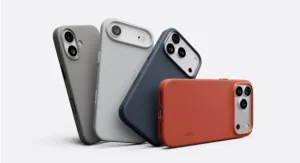
MOFT makes iPhone cases that combine functionality, durability, and style better than most of the options in the MagSafe category. MagSafe compatibility is built into the design in a way that feels consistent and dependable, so the case works smoothly with wallets, chargers, mounts, and other accessories instead of treating magnetic support like a secondary feature. That everyday functionality matters more when the phone is part of a wider setup.
The cases also feel made for long-term use. Materials hold their shape and appearance better over time, resisting the quick wear that often makes cheaper cases look tired within months. At the same time, the design stays clean and modern without feeling plain or overly bulky. That mix of reliable performance, lasting build quality, and refined style makes MOFT a strong choice for anyone who wants an iPhone case that looks good and works well every day.
Making the Final Call
Once the use case is clear and the category is decided, the final decision usually narrows quickly. Try to handle the case physically if possible before buying, because the way a case feels in hand is difficult to assess from product photos and reviews. If that is not possible, prioritize manufacturers with straightforward return policies so that a case that does not feel right in practice can be exchanged without friction.
One more thing worth noting: the best iPhone case is the one you actually keep on the phone rather than removing because it is inconvenient. A slightly less protective case that stays on the phone every day outperforms a technically superior case that comes off whenever the phone gets used for anything demanding. Comfort and usability are not secondary considerations. They are the primary ones.
The Takeaway
Getting an iPhone case right requires about ten minutes of honest thinking about actual phone habits followed by a straightforward evaluation of options within the appropriate category. The market is large enough that there is a genuinely good option for every use case and budget. The mistake is skipping the thinking and going straight to the shopping, which is how most people end up on their third case wondering why the first two did not work out.