Advancing Bone Marrow Failure Treatment Through Stem Cell Transplantation
ISTANBUL, TR / ACCESS Newswire / June 18, 2026 / Bone marrow plays a critical role in maintaining overall health by producing the blood cells needed to transport oxygen, fight infections, and prevent excessive bleeding. When the bone marrow can no longer produce an adequate number of healthy blood cells, a condition known as bone marrow failure develops. This serious disorder can significantly impact a person's quality of life and, if left untreated, may lead to life-threatening complications.
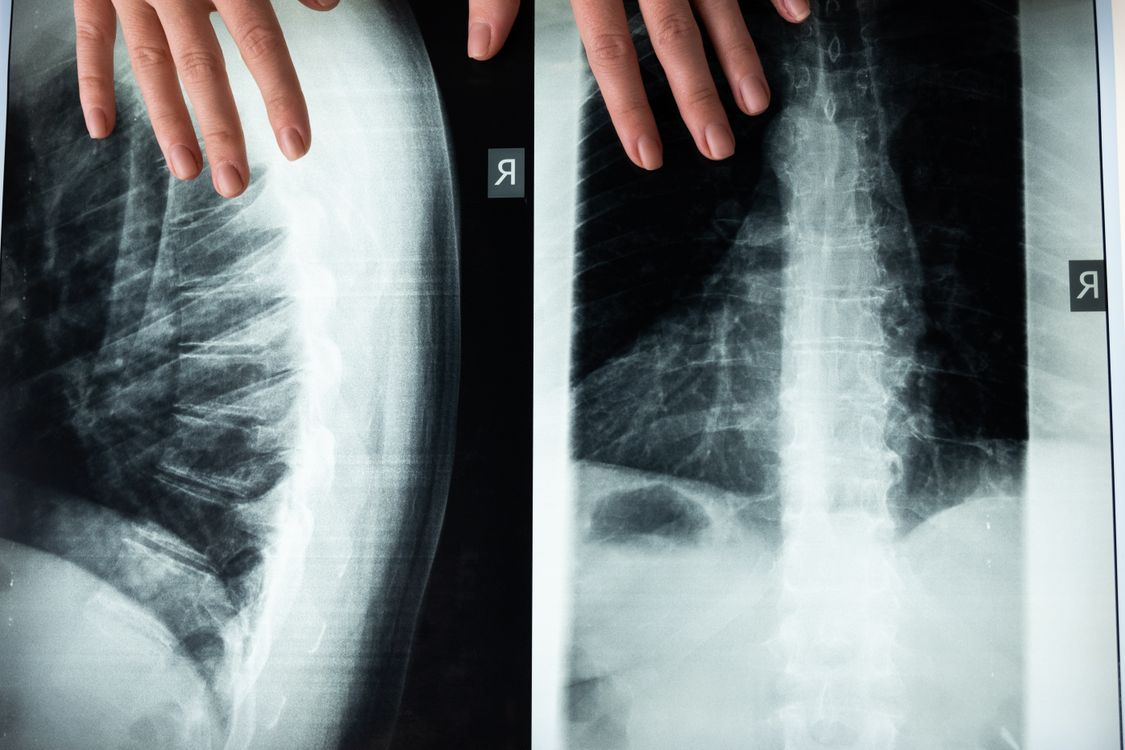
Fortunately, advances in stem cell transplantation have transformed the treatment landscape for patients with bone marrow failure. Leading healthcare institutions such as Liv Hospital provide specialized care and advanced treatment options designed to restore healthy blood cell production and improve long-term outcomes.
Understanding Bone Marrow Failure
Bone marrow failure occurs when the bone marrow loses its ability to produce sufficient blood cells. As a result, patients may experience reduced levels of red blood cells, white blood cells, platelets, or all three simultaneously.
Because blood cells perform essential functions throughout the body, bone marrow failure can affect multiple organ systems and increase the risk of serious health complications. The condition may develop gradually or occur suddenly, depending on the underlying cause.
Common Causes of Bone Marrow Failure
Bone marrow failure can arise from a variety of inherited and acquired conditions.
Aplastic Anemia
One of the most common causes of bone marrow failure is aplastic anemia, a disorder in which the body's immune system attacks healthy stem cells within the bone marrow.
Genetic Disorders
Certain inherited conditions can impair bone marrow function and reduce blood cell production from an early age.
Cancer Treatments
Chemotherapy and radiation therapy may temporarily or permanently damage bone marrow cells, leading to reduced blood cell production.
Autoimmune Diseases
Some autoimmune disorders can interfere with the normal functioning of stem cells responsible for producing blood cells.
Environmental Toxins
Exposure to harmful chemicals, industrial solvents, and certain toxins may contribute to bone marrow damage and failure.
Signs and Symptoms
The symptoms of bone marrow failure often depend on which blood cell types are most affected.
Common symptoms include:
Persistent fatigue
Weakness
Shortness of breath
Frequent infections
Fever
Easy bruising
Prolonged bleeding
Pale skin
Dizziness
Rapid heartbeat
Because these symptoms can mimic other medical conditions, proper evaluation by a healthcare professional is essential.
How Bone Marrow Failure Is Diagnosed
Diagnosing bone marrow failure typically requires a comprehensive assessment of blood counts and bone marrow function.
Diagnostic tests may include:
Complete blood count (CBC)
Bone marrow aspiration
Bone marrow biopsy
Genetic testing
Immunological evaluations
Molecular diagnostic studies
These investigations help physicians determine the underlying cause and identify the most appropriate treatment strategy.
The Role of Stem Cell Transplantation
Stem cell transplantation has become one of the most effective treatment options for severe bone marrow failure. The procedure involves replacing damaged or dysfunctional bone marrow with healthy stem cells obtained from a compatible donor.
Once transplanted, these healthy stem cells migrate to the bone marrow and begin producing new blood cells. This process helps restore normal blood formation and can provide long-term disease control for eligible patients.
Unlike supportive treatments that focus primarily on symptom management, stem cell transplantation addresses the root cause of bone marrow dysfunction.
Individuals seeking specialized treatment information can learn more about Stem Cell Bone Marrow Failure and advanced transplantation programs available through Liv Hospital.
Who May Benefit from Stem Cell Transplantation?
Stem cell transplantation may be considered for patients who have:
Severe bone marrow failure
Aplastic anemia
Certain inherited bone marrow disorders
Poor response to conventional therapies
Suitable donor availability
Treatment recommendations are based on several factors, including age, overall health, disease severity, and the likelihood of transplant success.
Additional Treatment Options
While stem cell transplantation remains a key treatment approach for many patients, additional therapies may also be used depending on the underlying condition.
Immunosuppressive Therapy
These medications help reduce immune system activity in cases where immune-mediated damage contributes to bone marrow failure.
Blood Transfusions
Red blood cell and platelet transfusions may help manage symptoms and reduce the risk of complications.
Growth Factor Therapy
Certain medications stimulate the bone marrow to increase blood cell production and improve blood counts.
Supportive Care
Infection prevention, nutritional support, and regular monitoring are essential components of comprehensive treatment plans.
Recovery and Long-Term Care
Recovery following treatment varies among patients and depends on the severity of the condition and the therapies received. Patients who undergo stem cell transplantation require ongoing monitoring to assess blood cell recovery and identify any potential complications.
Regular follow-up appointments allow healthcare teams to evaluate treatment effectiveness, support immune system recovery, and ensure long-term health management.
The Future of Bone Marrow Failure Treatment
Medical research continues to improve stem cell transplantation techniques, donor matching strategies, and supportive care protocols. These advancements are increasing treatment success rates and expanding access to life-changing therapies for patients with bone marrow disorders.
As stem cell science continues to evolve, patients with bone marrow failure are benefiting from safer procedures, improved outcomes, and greater opportunities for long-term recovery.
Conclusion
Bone marrow failure is a complex and potentially serious condition that requires timely diagnosis and specialized treatment. Advances in stem cell transplantation have provided new hope for patients by restoring healthy blood cell production and addressing the underlying causes of bone marrow dysfunction.
With comprehensive diagnostic services, experienced specialists, and advanced transplant capabilities, Liv Hospital continues to support patients seeking effective solutions for bone marrow failure and related hematological disorders.
Media contact:
Live Hospital
https://int.livhospital.com/
int@livhospital.com
SOURCE: Liv Hospital
View the original press release on ACCESS Newswire
If you believe this article contains misleading, harmful, or spam content, please let us know.
Report this article




Quotes delayed at least 20 minutes.
By accessing this page, you agree to the Privacy Policy and Terms Of Service.