Unity (U) Stock Trades Up, Here Is Why
What Happened?
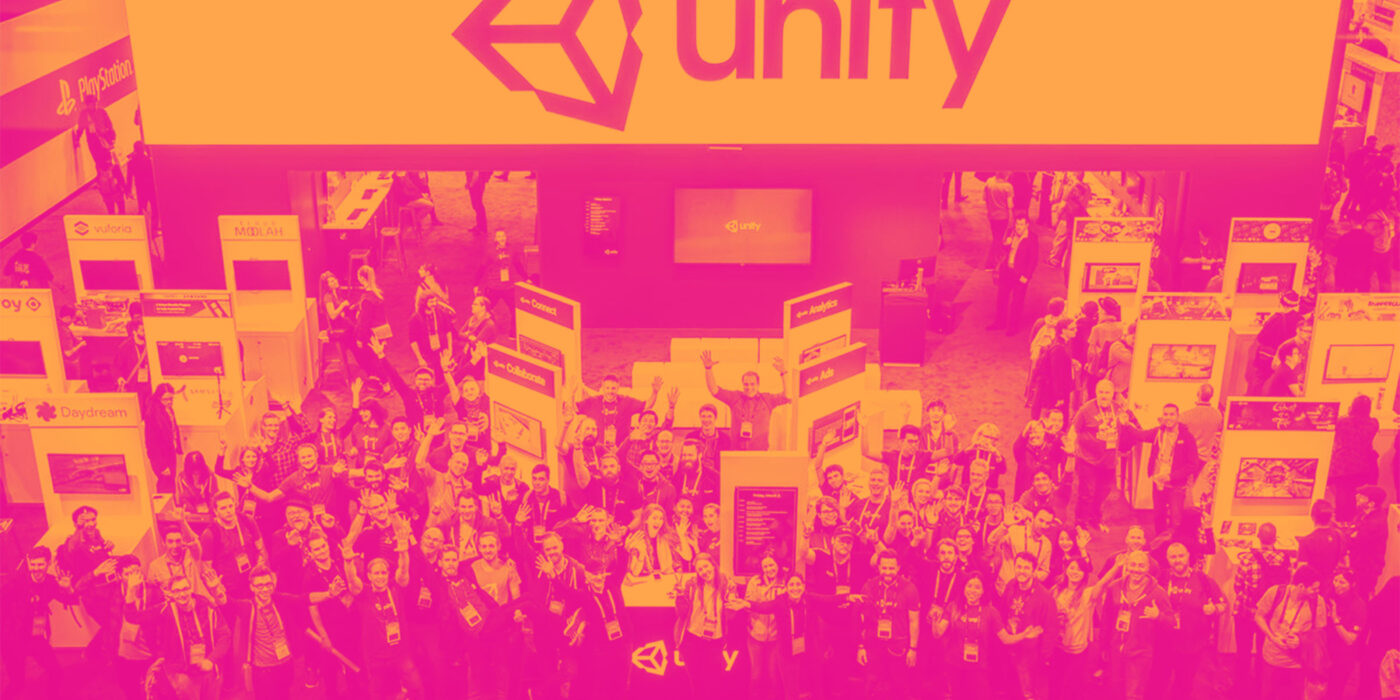
Shares of interactive software platform Unity (NYSE: U) jumped 3.3% in the afternoon session after the company posted a stellar second-quarter earnings report that beat expectations, leading to a wave of analyst upgrades.
Unity reported revenue of $546.5 million, up 24% from the prior year, and earnings per share of $0.28. The strong results were driven by momentum in its advertising business.
Following the report, the company's Chief Financial Officer stated that Unity now expects to achieve profitability in the third quarter of 2026, a quarter sooner than previously forecast. The performance prompted upgrades to "Buy" from several firms, including BofA Securities, Deutsche Bank, HSBC, and Benchmark, with BofA raising its price target on the stock to $50.
After the initial pop, the shares cooled down to $41.93, up 2.7% from the previous close.
Is now the time to buy Unity? Access our full analysis report here, it’s free.
What Is The Market Telling Us
Unity’s shares are extremely volatile and have had 55 moves greater than 5% over the last year. In that context, today’s move indicates the market considers this news meaningful but not something that would fundamentally change its perception of the business.
The previous big move we wrote about was 3 days ago when the stock gained 6% on the news that shares across the enterprise software, cybersecurity, and cloud infrastructure sectors caught a massive bid in Tuesday's premarket session. The rally was ignited by a blockbuster earnings report from data analytics giant Palantir (NYSE: PLTR), whose stock skyrocketed over 26%, acting as a rising tide that lifted dozens of high-growth tech peers—ranging from data players like Snowflake and Datadog to cybersecurity leaders like CrowdStrike and Palo Alto Networks. The primary catalyst for the sector-wide surge was Palantir’s exceptional second-quarter print and upwardly revised full-year revenue outlook. Citing unprecedented demand for its Artificial Intelligence Platform (AIP), Palantir posted explosive growth in both its core U.S. commercial business and government contracting segments. By explicitly demonstrating that enterprise customers are aggressively deploying—and paying for—advanced AI capabilities, Palantir extinguished lingering market fears that the AI boom was merely infrastructure hype without near-term software monetization. Beyond Palantir's blowout quarter, this "risk-on" environment was heavily turbocharged by shifting macroeconomic and geopolitical winds. News that the U.S. and Gulf allies are shifting toward diplomatic talks to reopen the Strait of Hormuz effectively de-escalated fears of a broader Middle East conflict. This geopolitical relief valve caused a sharp pullback in oil prices and inflation expectations, driving Treasury yields lower. For software companies—whose valuations are highly sensitive to borrowing costs and the discount rates applied to future cash flows—this sudden drop in rates provided the perfect macro tailwind. Together, the combination of lower yields and definitive proof of AI monetization sparked an aggressive premarket rotation back into growth-oriented tech equities.
Unity is down 5.2% since the beginning of the year, and at $41.93 per share, it is trading 15.2% below its 52-week high of $49.47 from December 2025. Investors who bought $1,000 worth of Unity’s shares 5 years ago would now be looking at only $380.34.
ALSO WORTH WATCHING: Nvidia’s Quiet Partner. Nvidia’s chips cost a hundred grand. The connectors that make them work cost even more. One company makes them all.
Every AI server needs specialized infrastructure the chip companies don’t make. High-speed cables. Power connectors. Thermal sensors. This 90-year-old company built a monopoly on it. The AI boom just started. This stock is still flying under the radar. Claim The Stock Ticker Here for FREE.
If you believe this article contains misleading, harmful, or spam content, please let us know.
Report this articleMore News
View More

Recent Quotes
View MoreQuotes delayed at least 20 minutes.
By accessing this page, you agree to the Privacy Policy and Terms Of Service.