IPPTS Associates releases technical guide addressing five critical causes of anaerobic digester failure: recycle streams, nutrient deficiencies, over-acidification, temperature fluctuations, and parameter variability, providing operators with actionable solutions.
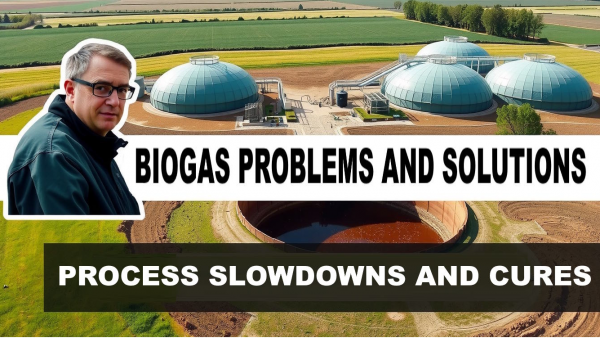
-- IPPTS Associates has released a technical guide addressing five critical causes of anaerobic digester failure that operators frequently overlook: recycle streams, nutrient deficiencies, over-acidification, temperature fluctuations, and parameter variability. These operational challenges result in costly upsets, lost biogas production, and safety risks that disrupt facility operations and revenue streams. Drawing from more than 30 years of digester facility experience documented in industry publications, the guide provides actionable solutions to prevent the immediate loss of revenue and operational disruption that digester upsets create.
More information is available at https://anaerobic-digestion.com/processguide
Industry data reveals that digester failures occur with troubling frequency, often stemming from factors that receive insufficient attention during routine operations. Recycle streams, which operators commonly underestimate, can accumulate ammonia-nitrogen, salts, and inert solids that independently cause inhibition or performance degradation. Even well-managed digesters require careful monitoring of volatile fatty acid to alkalinity ratios, which should typically remain between 0.1 and 0.4 for stable performance, according to established industry standards. When ammonia concentrations exceed certain thresholds at pH levels above 7.4, inhibition occurs; concentrations above 3,000 mg/L can prove toxic to the microbial community needed for biogas production.
Founded by Chartered Waste Manager Steve Last, IPPTS Associates specialises in environmental engineering and waste management consulting focused on anaerobic digestion and biogas production. The company provides clear, reliable, and technically informed guidance for operators, developers, consultants, researchers, and decision-makers navigating the complexities of the biogas sector. This expertise positions the firm as a trusted authority capable of translating complex technical knowledge into practical operational solutions that address real-world challenges faced by facility managers.
The guide details specific solutions for optimising key operational parameters, including feeding rates, mixing intensity, temperature management, and pH control. Mesophilic digester temperatures should generally remain between 30°C and 40°C (86°F to 104°F), with changes not exceeding 1°C to 2°C per day to prevent microbial stress that can trigger performance issues. Supplementation strategies such as anti-foaming agents and micronutrient additions provide evidence-based interventions when operators encounter deficiencies in trace metals like iron, nickel, cobalt, and molybdenum, which play roles in methanogen activity.
Addressing anaerobic digester foaming represents one of the most complex operational problems covered in the guide, requiring both immediate response measures and long-term prevention strategies. Foaming occurs when three conditions align: high gas production, surfactants that reduce surface tension, and floating solids that trap gas bubbles. Organic overloading, acidification, or filamentous bacteria can trigger this costly crisis. The guide presents a structured approach combining emergency interventions—feeding rate adjustment, mixing optimisation, anti-foaming agents, and temperature or pH correction—with long-term strategies including upstream process modifications, balanced loading practices, and micronutrient supplementation to prevent recurrence.
Operators and plant managers can access the guide to reduce operational upsets, improve biogas production, and enhance facility safety through systematic troubleshooting and preventive measures. According to IPPTS Associates, the resource aims to help operators maintain reliable, efficient digester performance by addressing the root causes of common problems rather than merely treating symptoms. The guide translates decades of industry experience into actionable recommendations that facility personnel can implement to optimise their specific operations.
For the technical guide and additional consulting resources, visit https://anaerobic-digestion.com/processguide
Contact Info:
Name: Stephen Last
Email: Send Email
Organization: IPPTS Associates
Address: 11 Adswood Grove, Shrewsbury, Shropshire SY3 9QG, United Kingdom
Phone: +44-7875-170878
Website: https://ippts.com/
Source: PressCable
Release ID: 89195451
In the event of encountering any errors, concerns, or inconsistencies within the content shared in this press release, we kindly request that you immediately contact us at error@releasecontact.com (it is important to note that this email is the authorized channel for such matters, sending multiple emails to multiple addresses does not necessarily help expedite your request). Our dedicated team will be readily accessible to address your feedback within 8 hours and take appropriate measures to rectify any identified issues or facilitate press release takedowns. Ensuring accuracy and reliability are central to our commitment.