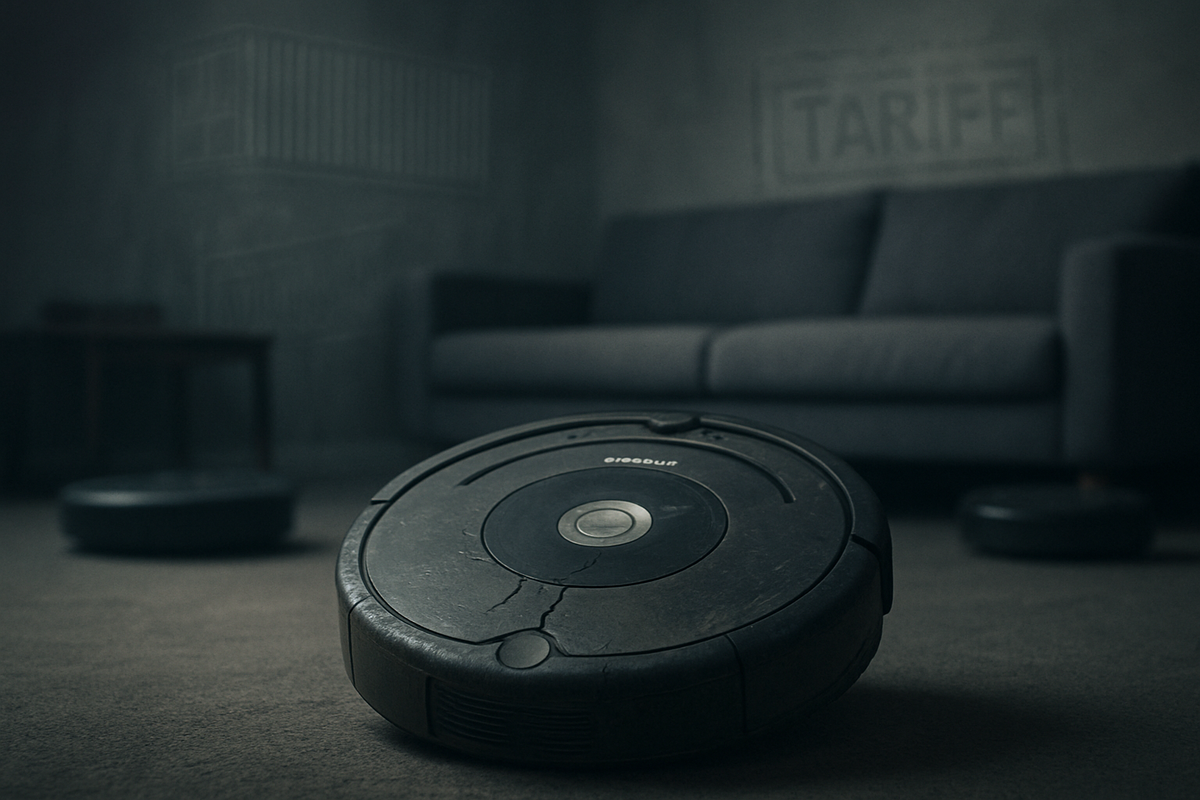
Bedford, MA – December 15, 2025 – iRobot Corporation (NASDAQ: IRBT), the pioneer behind the iconic Roomba robot vacuum cleaners, has officially filed for Chapter 11 bankruptcy protection. The filing, made on Sunday, December 14, 2025, in the U.S. Bankruptcy Court for the District of Delaware, marks a significant turning point for the once-dominant robotics company. This move comes as part of a restructuring agreement that will see iRobot acquired by its key Chinese supplier, Picea Robotics, with the process expected to conclude by February 2026. The news sent shockwaves through the market, with iRobot's stock plummeting over 70% in pre-market trading, signaling a complete loss for existing shareholders.
The bankruptcy filing and subsequent acquisition underscore the immense pressures facing consumer electronics companies, particularly those navigating a complex global trade landscape. iRobot explicitly cited new U.S. tariffs, particularly a 46% levy on imports from Vietnam, as a critical factor in its downfall, estimating these duties added $23 million to its costs in 2025 alone. This financial strain, combined with intense competition from lower-priced rivals and a failed acquisition attempt by Amazon (NASDAQ: AMZN), ultimately pushed the company to seek protection from its creditors.
The Perfect Storm: Tariffs, Competition, and a Failed Acquisition
iRobot's journey to bankruptcy protection is a confluence of several formidable challenges. The company, once a leader in the nascent robot vacuum market, found itself increasingly squeezed by a surge of aggressive, lower-cost competitors, primarily from China, including players like Ecovacs Robotics, Roborock, and Dreame. These rivals steadily eroded iRobot's market share and profitability, making it difficult for the company to maintain its premium pricing strategy.
A critical blow came in early 2024 when Amazon's proposed $1.7 billion acquisition of iRobot collapsed. The deal, which could have provided a much-needed financial lifeline, was scuttled due to antitrust concerns raised by European Union regulators. This left iRobot in a precarious position, grappling with mounting debt, sustained losses, and a growing liquidity crisis. Adding to these woes were broader macroeconomic headwinds, including inflation and rising interest rates, which began to impede the company's ability to finance operations as early as 2021.
However, the explicit role of tariff pressures cannot be overstated. New U.S. tariffs, particularly the substantial 46% levy on imports from Vietnam—where iRobot manufactures a significant portion of its devices for the U.S. market—directly and dramatically increased the company's operational costs. These tariffs reduced iRobot's pricing flexibility, forcing it to absorb expenses rather than passing them entirely to consumers, thereby further compressing already thin margins. As early as March 2025, iRobot had publicly warned that "macroeconomic and tariff-related uncertainties" created "substantial doubt about iRobot's ability to continue as a going concern." The immediate market reaction to the bankruptcy announcement was severe; shares of iRobot (NASDAQ: IRBT) fell by $3.12, or 72%, to trade at $1.20 in pre-market trading on December 15, 2025, culminating in an approximate 85% loss of value for the year. The stock will be delisted from the Nasdaq Stock Market as it transitions to private ownership under Picea Robotics.
iRobot CEO Gary Cohen addressed the acquisition by Picea Robotics, calling it a "pivotal milestone in securing iRobot's long-term future." He emphasized that the transaction would strengthen the company's financial position and ensure continuity for consumers, customers, and partners. The company also assured customers that it expects to continue operations "in the ordinary course with no anticipated disruption to its app functionality, customer programs, global partners, supply chain relationships or ongoing product support" throughout the Chapter 11 transition. However, current common stockholders are expected to "experience a total loss and not receive recovery on their investment."
Shifting Sands: Who Wins and Who Loses?
The bankruptcy of iRobot (NASDAQ: IRBT) is set to reshape the competitive landscape of the home robotics market, creating both opportunities and challenges for various stakeholders. The immediate beneficiaries are likely to be iRobot's direct competitors, particularly those in the budget and mid-range segments that have been chipping away at its market share for years. Companies like Ecovacs Robotics, Roborock, and Dreame, all significant players in the global robot vacuum market, could see an acceleration in their market penetration. With iRobot undergoing restructuring and potentially refocusing its strategy under new ownership, these companies may gain further traction with consumers looking for alternatives or more affordable options.
Conversely, retailers that heavily stocked iRobot products, such as Best Buy (NYSE: BBY) or Amazon (NASDAQ: AMZN), might experience short-term disruptions in inventory and sales as the supply chain adjusts during the bankruptcy proceedings. While iRobot has stated it expects no disruption, any uncertainty can affect consumer confidence and purchasing decisions. Longer-term, these retailers will likely diversify their offerings to include more products from the ascendant competitors, potentially giving them more leverage in negotiations with a broader array of suppliers.
For the broader consumer electronics industry, the iRobot situation serves as a stark warning about the perils of intense competition, global trade policies, and the rapid pace of innovation. Other companies manufacturing in regions subject to U.S. tariffs, or those facing similar pressures from lower-cost alternatives, might re-evaluate their supply chain strategies and pricing models. The acquisition by Picea Robotics, a Chinese supplier, also highlights the increasing vertical integration and consolidation within the industry, where suppliers are becoming more active players in the brand ownership space.
Broader Implications: A Warning Bell for Global Supply Chains
iRobot's bankruptcy filing is more than just the story of a single company's struggles; it serves as a potent illustration of broader industry trends and the increasing fragility of global supply chains in an era of protectionist trade policies. The explicit mention of a 46% tariff on imports from Vietnam as a significant contributing factor underscores how quickly trade policies can impact the financial viability of even established players. This event highlights the vulnerability of companies that rely heavily on international manufacturing and complex cross-border logistics, especially when geopolitical tensions translate into punitive tariffs.
The ripple effects of iRobot's downfall could extend to other consumer electronics companies, particularly those in sectors like smart home devices, small appliances, and other categories susceptible to both rapid technological advancements and price-sensitive competition. Companies like SharkNinja (NYSE: SN) or Tineco, which also offer robot vacuums and other home cleaning devices, will undoubtedly be watching closely. The event could prompt a re-evaluation of manufacturing locations, supply chain diversification, and sourcing strategies across the industry to mitigate future tariff-related risks. It might also accelerate the trend of "reshoring" or "nearshoring" production, though such moves often come with their own set of cost and logistical challenges.
Historically, tariffs have been a double-edged sword, intended to protect domestic industries but often resulting in increased costs for consumers and businesses alike. The case of iRobot echoes past instances where trade disputes have impacted specific sectors, forcing companies to absorb costs, raise prices, or fundamentally alter their business models. For instance, the steel and aluminum tariffs imposed in previous years led to similar cost pressures for manufacturers reliant on these materials. iRobot's situation, however, is unique in its direct link to a company's outright bankruptcy, making it a particularly stark cautionary tale about the real-world consequences of trade barriers. Regulatory bodies and policymakers may also face increased scrutiny regarding the long-term impact of such tariffs on innovation, competition, and consumer choice.
What Comes Next: A New Chapter Under Picea Robotics
The immediate future for iRobot involves navigating the Chapter 11 bankruptcy process, which is expected to be finalized by February 2026. Under the ownership of Picea Robotics, a Chinese supplier, iRobot will embark on a new chapter. Short-term, the focus will be on stabilizing operations, maintaining supply chain continuity, and reassuring customers and partners. The acquisition by a supplier suggests a potential for tighter integration between manufacturing and product development, which could lead to efficiencies and cost reductions in the long run. However, the challenge will be to rebuild brand equity and regain market share in a highly competitive environment.
Long-term possibilities for iRobot under Picea Robotics could include a strategic pivot towards more cost-effective manufacturing, potentially leveraging Picea's existing production capabilities to lower unit costs and compete more aggressively on price. There might also be a renewed focus on specific product lines or a diversification into new areas of home robotics, leveraging Picea's technological expertise. The brand's legacy in innovation and quality, if properly managed, could still be a valuable asset.
Market opportunities may emerge for other robotics companies to capture parts of iRobot's former premium market segment, particularly if the restructured iRobot shifts its focus. Conversely, the consolidation could lead to a more formidable competitor if Picea successfully revitalizes the iRobot brand with a more sustainable business model. Investors should watch for signs of operational stability, new product announcements, and any changes in iRobot's market positioning post-acquisition. The ability of Picea Robotics to effectively integrate iRobot and address the underlying issues of competition and cost will be crucial for the brand's long-term viability.
A Sobering Conclusion: The Price of Protectionism
The bankruptcy of iRobot (NASDAQ: IRBT) serves as a sobering reminder of the intricate challenges facing global businesses today. It highlights the devastating impact that a combination of intense competition, supply chain vulnerabilities, and particularly, protectionist trade policies can have on even well-established market leaders. The explicit role of tariffs in pushing iRobot over the edge underscores the real-world costs of such measures, not only for the companies directly affected but also for their employees, shareholders, and the broader market.
Moving forward, the market will closely assess how the home robotics sector adapts to iRobot's restructuring. This event could trigger a broader re-evaluation of global manufacturing strategies and risk management by companies operating in tariff-sensitive industries. It also emphasizes the importance of robust financial health and diversified revenue streams to withstand unexpected economic and political headwinds.
Investors in the consumer electronics and robotics sectors should pay close attention to companies' exposure to international trade policies, their supply chain resilience, and their ability to innovate and compete effectively against both premium and budget-friendly rivals. The iRobot saga is a powerful case study in the complexities of the modern global economy, offering valuable lessons on adaptability, strategic planning, and the often-unforeseen consequences of policy decisions.
This content is intended for informational purposes only and is not financial advice