

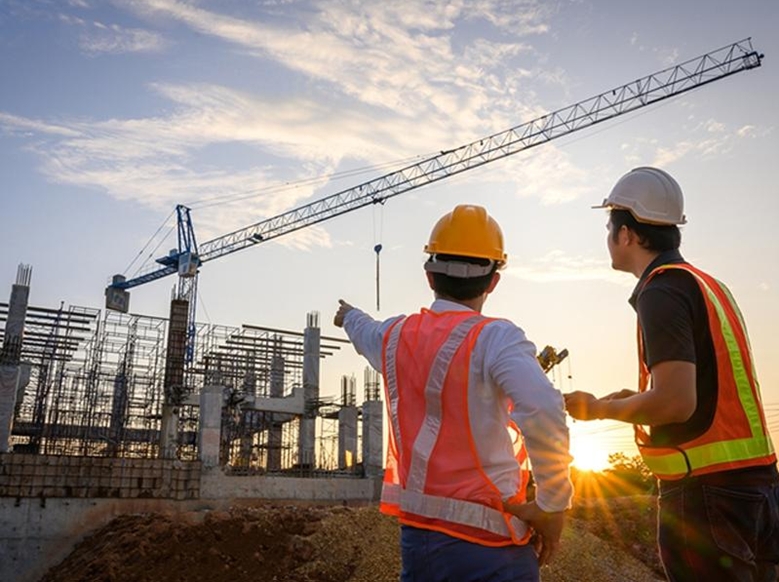
Accurate construction estimating is the backbone of every successful project, yet it is often rushed or treated as a routine task rather than a strategic process. Many contractors focus heavily on winning bids while overlooking critical risks hidden within the estimating phase. These overlooked factors may not seem dangerous at first, but they can quickly snowball into cost overruns, scheduling delays, disputes, and reduced profit margins. Understanding these hidden risks early allows contractors to protect their business, reputation, and long-term sustainability.
Incomplete Scope Definition
One of the most common and dangerous risks during the estimating phase is an incomplete or poorly defined project scope. Contractors sometimes rely on limited drawings or vague specifications, assuming details will be clarified later. Unfortunately, these assumptions often lead to misunderstandings, missed work items, and unexpected expenses once construction begins.
A clearly defined scope ensures that all materials, labor, and services are accounted for. Without it, estimates become unreliable, and contractors may underbid unintentionally. This is why many experienced firms collaborate with the best construction estimating companies, like Construction Estimating Inc, to ensure that every element of the project is thoroughly reviewed and quantified before pricing decisions are made. A detailed scope review reduces ambiguity and minimizes the chances of costly surprises during execution.
Underestimating Material Price Volatility
Material costs rarely remain stable throughout a project’s lifecycle. Fluctuations in steel, lumber, concrete, and fuel prices can significantly impact the final budget. Many contractors fail to account for this volatility during estimating, relying instead on current prices without contingency planning.
Failing to address price escalation clauses or long procurement lead times can expose contractors to significant financial risk. A minor increase in material costs may seem manageable, but when multiplied across an entire project, the impact can be devastating. Smart estimators monitor market trends, include escalation allowances, and negotiate supplier agreements early to mitigate this risk.
Labor Productivity Assumptions
Labor costs are not just about hourly wages; they are heavily influenced by productivity. Contractors often assume ideal working conditions when estimating labor hours, overlooking real-world challenges such as weather delays, site congestion, safety restrictions, and workforce skill levels.
Overestimating productivity leads to unrealistic schedules and underestimated labor costs. When crews take longer than expected, profits erode quickly. Accurate estimating requires historical data, realistic productivity rates, and allowances for inefficiencies. Failing to include these factors creates a gap between estimated and actual performance that is difficult to recover later.
Ignoring Indirect and Overhead Costs
Another hidden risk lies in underestimating indirect costs such as supervision, site management, temporary facilities, insurance, permits, utilities, and equipment maintenance. Contractors focused solely on direct construction costs may unintentionally ignore these essential expenses.
This oversight can severely impact profitability, especially on long-duration or complex projects. Working with a trusted estimating company like Blaze Estimating Inc helps ensure that overhead and indirect costs are systematically identified and allocated appropriately. When these costs are accurately included in estimates, contractors gain a clearer picture of true project expenses and avoid financial strain during execution.
Poor Risk Contingency Planning
Many estimates fail because they do not adequately address risk. Construction projects are inherently uncertain, involving variables such as weather conditions, regulatory changes, site conditions, and subcontractor performance. Ignoring these uncertainties or including minimal contingency can leave contractors exposed.
A well prepared estimate includes risk assessments and contingency allowances based on project complexity and location. This does not mean unnecessarily inflating prices, but rather planning intelligently for realistic challenges. Contractors who skip this step often find themselves absorbing unexpected costs that could have been avoided with better planning.
Overlooking Subcontractor and Vendor Reliability
Subcontractors and suppliers play a vital role in project success, yet their reliability is often overlooked during estimating. Contractors may base pricing on low subcontractor bids without evaluating performance history, financial stability, or capacity.
If a subcontractor fails to deliver on time or requires replacement, the resulting delays and rework can significantly increase costs. Effective estimating includes vetting subcontractors, reviewing past performance, and allowing for potential disruptions. Reliable partners may not always be the cheapest option, but they reduce risk and protect project timelines.
Inadequate Review of Contract Terms
Contract documents include clauses that directly affect project costs, such as liquidated damages, retention, payment schedules, change order procedures, and dispute-resolution mechanisms. Contractors who fail to thoroughly review these terms during estimating expose themselves to legal and financial risks.
Ignoring unfavorable contract provisions can result in cash flow issues or penalties that were never included in the estimate. A careful contract review ensures that pricing reflects contractual obligations and that risks are clearly understood before committing to the project.
Technology Gaps and Data Inaccuracy
Relying on outdated estimating methods or inaccurate data is another hidden risk. Manual takeoffs, outdated cost databases, and disconnected workflows increase the likelihood of errors. Small inaccuracies may seem insignificant, but they accumulate and undermine the reliability of estimates.
Modern estimating tools improve accuracy, consistency, and transparency. Contractors who invest in technology and data-driven estimating practices gain a competitive advantage while reducing costly mistakes. Accurate data is the foundation of confident decision-making during bidding and execution.
Conclusion
The estimating phase is far more than a pricing exercise it is a critical risk management process. Contractors who ignore hidden risks during estimating often pay the price later through reduced margins, strained relationships, and damaged reputations. From incomplete scope definitions and volatile material costs to labor assumptions and overlooked overhead, each risk can derail a project.
By adopting a disciplined, detail-oriented approach and leveraging professional expertise, contractors can identify and mitigate these risks before construction begins. Accurate estimating sets the tone for project success, ensuring financial stability, operational efficiency, and long term growth in an increasingly competitive construction industry.
Media Contact
Company Name: Blaze Estimating Canada
Email: Send Email
Country: Canada
Website: https://blazeestimating.ca/