

Key Takeaways
- Tartar (also called dental calculus) forms when plaque isn't removed within 24 to 72 hours and hardens on the teeth.
- Once tartar has formed, brushing, flossing and home remedies generally cannot remove it safely.
- Tartar buildup can contribute to cavities, gingivitis and persistent bad breath if left untreated.
- The best defense is prevention: brush twice daily, floss every day, use a fluoride rinse and visit your dentist every six months.
- Dentists and dental hygienists have the specialized training and professional tools needed to remove tartar safely without damaging your teeth or gums.
SPONSORED CONTENT -- (StatePoint) Most people have heard the words, "You have tartar buildup," during a dental appointment. While it may not sound serious, tartar can have a significant impact on your oral health if it's allowed to accumulate over time.
The good news is that tartar is largely preventable. Understanding how it forms, why it's difficult to remove at home and what you can do to stop it before it starts can help keep your smile healthier for years to come.
To help explain what every family should know, Dr. Natassia Martins of Ideal Dental, which provides quality general, family and cosmetic dentistry throughout Texas, answers some of the most common questions about tartar buildup.
1. What exactly is tartar?
"Tartar, also known as dental calculus, is hardened plaque," says Dr. Martins. "Everyone develops plaque naturally throughout the day. If it isn't removed through brushing and flossing, minerals in your saliva cause it to harden into tartar."
Plaque develops as bacteria combine with saliva, food particles and other substances in the mouth. It often collects along the gumline, where it can be difficult to see. While plaque may appear colorless or pale yellow, tartar typically develops into yellow or brown deposits that firmly attach to the teeth.
Nearly 68% of adults experience tartar buildup at some point, making it one of the most common dental concerns. Learning how to remove tartar from your teeth is crucial to dental health.
2. Can I remove tartar myself?
Many online videos and home remedies claim ingredients such as baking soda, strawberries or white vinegar can remove tartar. However, dental professionals caution that these methods are often ineffective and, in some cases, may actually damage your teeth or gums.
"Once plaque hardens into tartar, it becomes much more difficult to remove," says Dr. Martins. "Trying to scrape it off yourself with sharp objects or relying on unproven home remedies can injure your gums or damage your tooth enamel."
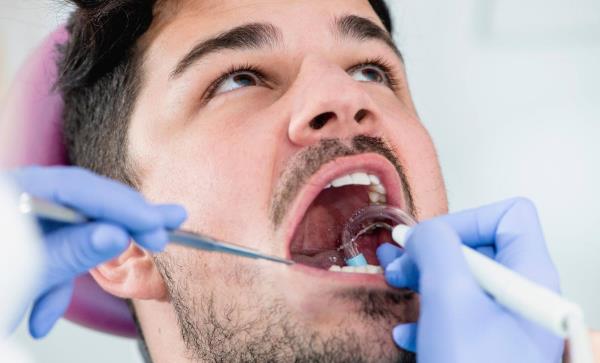
Instead, dentists use a professional procedure called scaling to carefully remove tartar. Depending on the amount of buildup, this may involve specialized hand instruments or ultrasonic devices designed specifically for dental cleanings.
Dental hygienists typically spend two or more years learning the proper techniques to clean teeth safely and effectively, making professional treatment the safest choice.
3. Why is tartar a problem?
Tartar is more than a cosmetic issue.
Because its rough surface attracts even more plaque and bacteria, tartar can increase your risk for several oral health problems, including:
- Cavities, as plaque acids gradually wear away tooth enamel.
- Gingivitis, an early stage of gum disease caused by inflammation around the gums.
- Persistent bad breath resulting from bacteria accumulating on the teeth and along the gumline.
Left untreated, these conditions can worsen over time, making prevention and routine dental care especially important.
4. How can I prevent tartar from forming?
The easiest way to deal with tartar is to stop it before it develops.
Dental professionals recommend:
- Brush twice each day using a soft-bristled toothbrush.
- Replace your toothbrush approximately every three months.
- Floss daily to remove plaque between teeth where brushing cannot reach.
- Rinse with a fluoride mouthwash to help reduce bacteria and strengthen enamel.
- Visit your dentist every six months for professional examinations and cleanings.
- Limit sugary foods and beverages, which contribute to plaque formation.
- Avoid or minimize smoking, which increases the risk of plaque and tartar buildup.
A consistent daily routine removes plaque before it has time to harden into tartar, helping protect both your teeth and gums.
5. Why is seeing a dentist the best option?
Although preventing tartar begins at home, removing it is best left to dental professionals.
"Dentists and hygienists have the education, experience and instruments necessary to remove tartar thoroughly while protecting your teeth and surrounding gum tissue," says Dr. Martins. "Professional cleanings also allow us to identify small problems before they become larger, more expensive issues."
Routine dental visits not only remove tartar safely but also give your dentist the opportunity to detect cavities, gum disease and other oral health concerns early, when treatment is often simpler and more effective.
For Texans looking for comprehensive general, family or cosmetic dental care, Ideal Dental has convenient locations across the state, so no matter if you are searching for a dentist in Austin, TX, a dentist in Northlake, TX or a dentist in Clifford Crossing, TX, Ideal provides qualified options.
The bottom line? While everyone develops plaque, tartar doesn't have to become part of your oral health story. By practicing good daily hygiene and scheduling regular dental visits, you can greatly reduce your risk of tartar buildup and keep your smile healthy for years to come.