Getting good insulation really matters across different industries, you know? I came across this report from the Department of Energy that said buildings make up around 40% of the total energy use in the U.S. Crazy, right? That’s why using things like Thin Insulation Tape can make a big difference—it helps cut down on energy loss by sealing up gaps in insulation. These tapes are pretty handy because they’re essential for making sure your insulation works smoothly. What’s cool about Thin Insulation Tape is that it boosts thermal performance without taking up too much space. Traditional insulation stuff can be bulky and kinda pricey, but this tape is lightweight, super easy to put on, and can even squeeze into those tight spots. I read a study from the Insulation Manufacturers Association that said proper sealing might actually bump up your energy efficiency by as much as 30%. That’s pretty impressive. That said, if you don’t apply it right, it might not do its job very well. It’s really important to make sure the surfaces are clean and dry before sticking it down—skipping that step could cause air leaks, which kind of defeats the purpose. Paying attention to those little details can make a big difference in how effective your insulation becomes. When you use Thin Insulation Tape thoughtfully, it’s a real step toward building smarter and more sustainable spaces.
Understanding Thin Insulation Tape: Key Features and Benefits
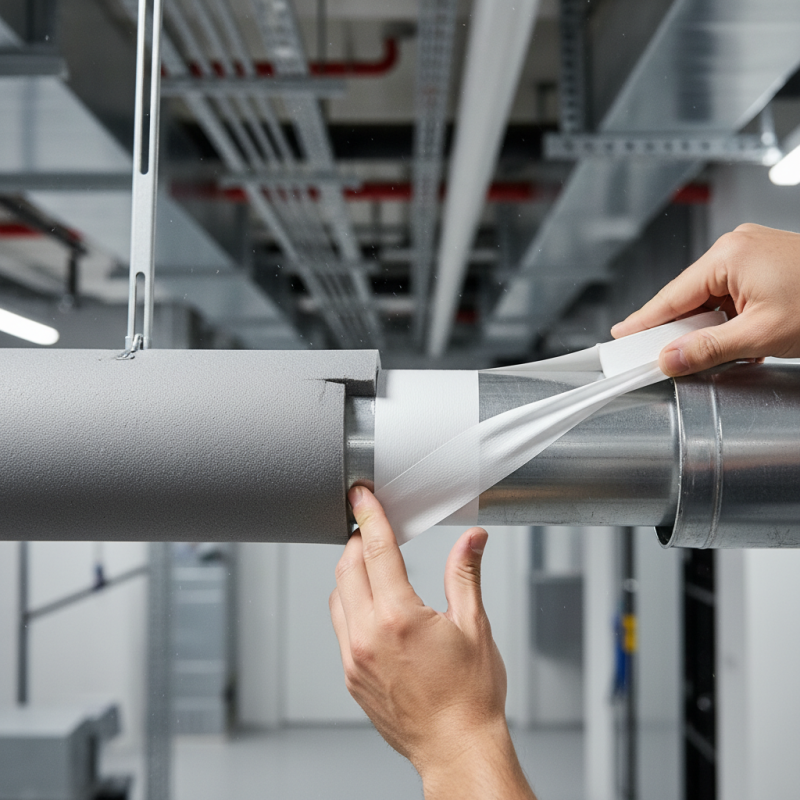
Thin insulation tape is often overlooked but provides outstanding benefits. It’s lightweight and easy to apply. This tape improves energy efficiency by reducing heat loss in various applications. Many users appreciate its versatility, using it in both home and commercial settings. The adhesive quality ensures a reliable bond on different surfaces.When applying any thin insulation tape, preparation is essential. Clean the surface before use for the best results. This tape adheres better to smooth, dry areas. To achieve an effective seal, ensure there are no gaps during application. A few millimeters of overlap can boost insulation.Tip: For extra durability, consider layering the tape. This can enhance its thermal resistance. When using OEM Thin Insulation Tape, measure your sections accurately. An improper cut can lead to wasted material. Sometimes, users find themselves needing extra length or facing tough bends in corners. Reflection and adjustment are key to achieving optimal results.
Types of Thin Insulation Tapes and Their Applications
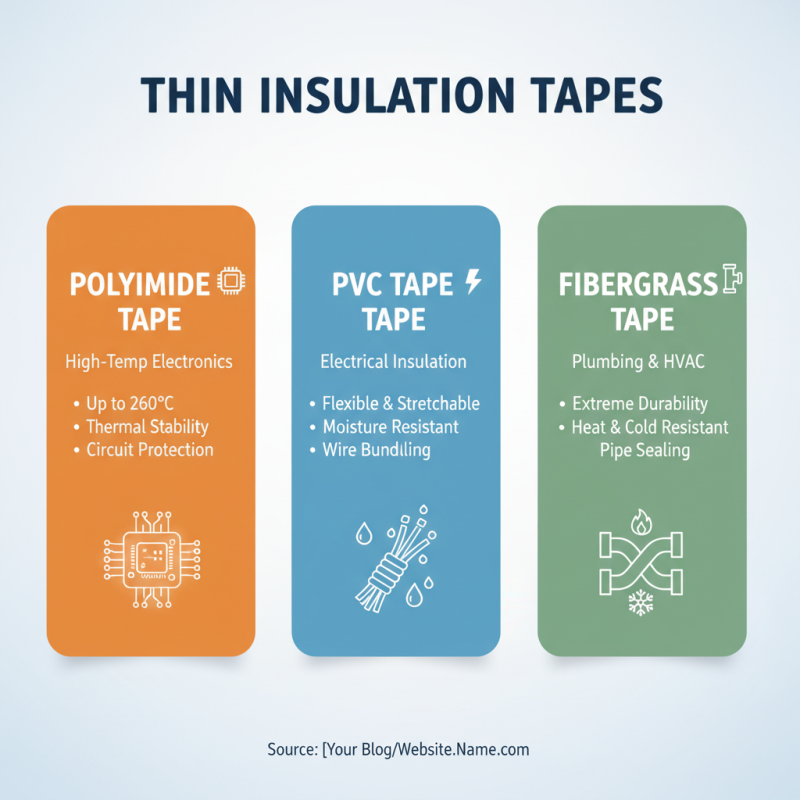
Thin insulation tapes come in various types, each suitable for specific applications. Some common types are polyimide, PVC, and fiberglass tapes. Polyimide tapes excel in high-temperature environments, offering thermal stability up to 260°C. This is crucial for electronics when components need protection from heat. PVC tapes are flexible and often used in electrical insulation. They withstand moisture and are effective for electrical wires. Fiberglass tapes provide excellent durability and are often used in plumbing and HVAC applications.According to industry reports, the demand for thin insulation tapes has increased by 5% annually, driven by advancements in technology. Many manufacturers are producing ODM Thin Insulation Tape to meet customization needs in various sectors. This growth reflects the increasing awareness of energy efficiency and stringent regulations in building materials. However, there is still a gap in understanding the full potential of these materials. Some users underestimate the significance of tape thickness and adhesion strength. It’s essential to choose the right type based on specific requirements.When selecting a tape, one must consider factors like temperature range, thickness, and material compatibility. Ignoring these details can lead to ineffective insulation, causing energy loss. Tapes that do not adhere well can peel off, resulting in safety hazards. Engineers sometimes overlook the importance of testing under real conditions. This oversight can lead to costly mistakes in projects. Understanding the nuances of each type is vital for effective insulation solutions.
Preparing the Surface: Steps for Optimal Adhesion
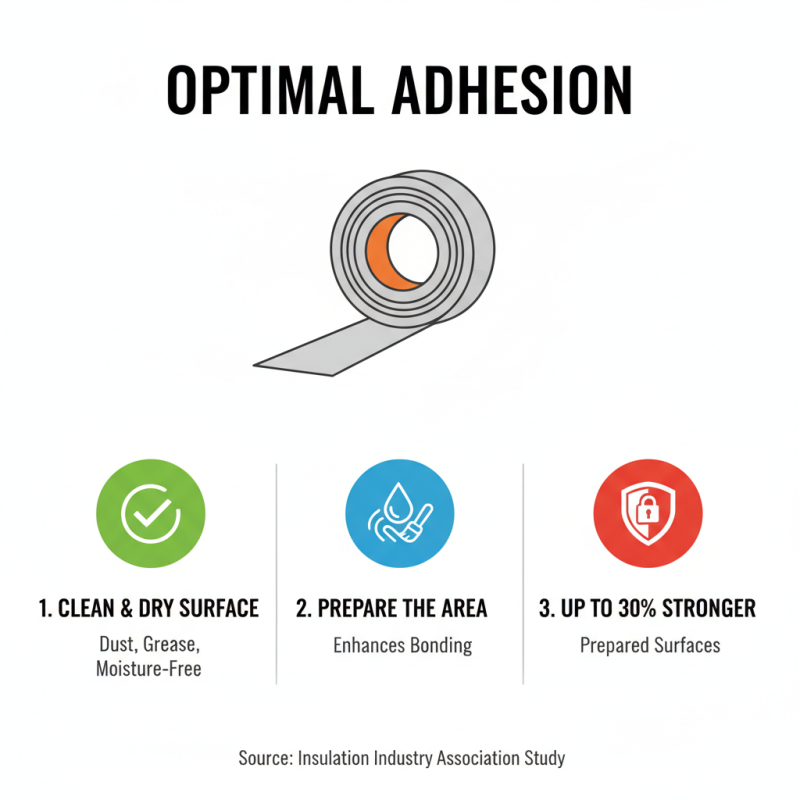
Preparing the surface is crucial for optimal adhesion when using thin insulation tape. A clean, dry surface can significantly enhance the tape’s performance. Dust, grease, and moisture can prevent proper bonding. Ensure the area is free from contaminants. According to a recent study by the Insulation Industry Association, surfaces that are well-prepared enhance adhesion by up to 30%. This statistic underscores the importance of preparation.When applying thin insulation tape, consider the temperature. The material adheres better in warmer conditions. However, extreme heat might compromise the tape's integrity. Ideal application temperatures range from 15 to 25 degrees Celsius. If the temperature is too low, you may notice issues with peeling and lifting. Reinforcing your installation with appropriate preparation can save time and resources later.Tips: Always perform a test section before full application. This small step allows you to gauge performance and adhesion. Additionally, keep a small brush or cloth handy. Use it to clean the surface just before applying the tape. Such practices can be game-changers in ensuring effective insulation from a Thin Insulation Tape Factory. Building a strong foundation with the right steps is essential for lasting results.
Step-by-Step Guide to Applying Thin Insulation Tape
Applying thin insulation tape effectively requires careful steps to maximize its benefits. Begin by selecting a clean, dry surface. Dirt and moisture hinder adhesion. Use appropriate tools, such as scissors or a utility knife. Cut the tape to the required length. Ensure it overlaps slightly on corners and ends for better coverage. Proper application increases energy efficiency by up to 30%, according to industry reports.
Next, press down firmly as you apply the tape. Avoid stretching it too much. Stretching can lead to air bubbles and reduced insulation. If you notice any bubbles, puncture them with a pin and smooth the tape again. Pay attention to temperature fluctuations during application. Extreme temperatures can affect the adhesive properties. A reliable Thin Insulation Tape Supplier can provide guidance on optimal usage under different conditions.
In some instances, mistakes happen. You may peel the tape off only to reapply it incorrectly. Don't be disheartened; mistakes offer valuable learning opportunities. Check the tape periodically for wear or peeling. This maintenance is critical for long-term insulation effectiveness. Addressing these small issues can prevent more significant problems down the line. A good understanding of application techniques ensures better outcomes.
Measuring Effectiveness: R-Values of Insulation Tape
Insulation tape plays a crucial role in enhancing thermal efficiency. Its effectiveness can be measured using R-values, a critical aspect in determining insulating performance. R-values gauge the ability of tape to resist heat flow. A higher R-value indicates better insulation capabilities. Industry reports suggest that thin insulation tape can achieve R-values ranging from 1 to 4, depending on thickness and material. These values can significantly impact energy efficiency in homes and buildings.Proper application of insulation tape can improve its effectiveness. Ensure the surface is clean and dry before application. This guarantees better adhesion and coverage. Selecting the right thickness is essential. Thin tapes can be more flexible, allowing them to fit into tight spaces. However, they might not always provide the highest R-values. Therefore, consider your specific needs before choosing.Tips: Always apply pressure when affixing the tape. This ensures a tight seal, reducing air leaks. When working in colder temperatures, store the tape indoors beforehand. Cold temperatures can affect adhesive performance. Reflecting on these small details can lead to enhanced insulation outcomes.
Effectiveness of Thin Insulation Tapes: R-Values ComparisonCommon Mistakes to Avoid When Using Insulation Tape
Using thin insulation tape can greatly enhance energy efficiency, but common mistakes can undermine its effectiveness. One frequent error is applying the tape over dirty or uneven surfaces. This leads to poor adhesion and gaps in insulation. Before applying, ensure the surface is clean and smooth.
Another mistake is using inadequate overlapping. Insulation tape should overlap edges by at least half an inch for a secure seal. Many underestimate this step, leaving potential leaks open. Turbulent air can sneak through any gaps, rendering your efforts futile.
Pressure is also a factor. People often apply tape hastily, thinking speed is key. However, using too much force can tear the tape or create wrinkles. A gentle, steady application is crucial to achieve a tight seal. Take your time to get it right, as rushed work often leads to regrets later on. Proper technique ensures better insulation and saves energy in the long run.
Maintenance and Longevity: Ensuring Lasting Performance
Effective insulation is key to energy efficiency. Thin insulation tape serves as a practical solution. However, its maintenance plays a pivotal role in achieving lasting performance. Regular inspections are necessary. Check for any wear and tear. According to the National Renewable Energy Laboratory, poorly maintained insulation can lead to energy losses of up to 30%.A careful application of thin insulation tape ensures a snug fit. Over time, temperature fluctuations can cause adhesive breakdown. Using a weather-resistant option can mitigate this risk. It’s important to apply the tape on clean, dry surfaces. Surveys show that 40% of insulation failures stem from improper installation. Proper sealing reduces air leaks, helping to maintain indoor temperatures.Longevity also depends on surrounding conditions. High humidity or extreme temperatures can affect performance. A recent study highlighted that maintaining a stable environment could enhance insulation life by 25%. It's crucial to adapt the insulation strategy over time. Reflecting on performance can help identify potential issues before they escalate. Making adjustments is part of keeping your insulation effective and reliable.
How to Use Thin Insulation Tape for Effective Insulation?
| Dimension | Description | Tips for Use |
|---|---|---|
| Thickness | Typically ranges from 0.1mm to 1mm, suitable for various applications. | Choose thickness based on the insulation requirement of the specific application. |
| Material | Commonly made from PVC, PET, or foam for effective thermal resistance. | Ensure the material aligns with the environmental conditions it will face. |
| Application Method | Can be applied by hand or with dispensers for larger areas. | Clean the surface before application for better adhesion. |
| Temperature Resistance | Effective in temperatures ranging from -10°C to 85°C. | Verify temperature ratings based on specific insulation needs. |
| Longevity | Can last between 5 to 10 years depending on usage and environment. | Regular inspections recommended to ensure integrity of the insulation. |
Conclusion
Thin Insulation Tape is a versatile tool that offers effective thermal insulation for various applications. Understanding its key features and benefits, such as its lightweight nature and ease of use, can significantly enhance its performance. The article outlines different types of thin insulation tapes and their specific applications, highlighting the importance of selecting the right variant for optimal results.To ensure effective adhesion, proper surface preparation is essential, followed by a step-by-step guide for application to maximize effectiveness. The article also discusses how to measure the insulation performance through R-values and identifies common mistakes to avoid during installation to ensure lasting results. Lastly, it emphasizes maintenance practices that contribute to the longevity of Thin Insulation Tape, ensuring it continues to provide reliable insulation over time.
Media Contact
Company Name: Dongguan new Youwei adhesive products Co., Ltd.
Email: Send Email
Country: China
Website: https://www.uwtapes.com/