ContrastConnect has updated its guidance about virtual contrast supervision as imaging networks see the benefits of early adoption in the areas of staffing and Medicare reimbursement.
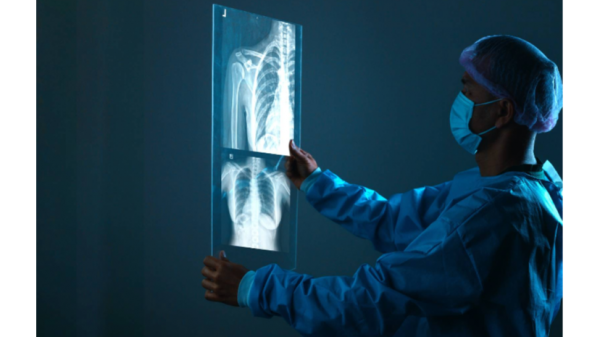
-- ContrastConnect has updated its guide to virtual contrast supervision requirements, noting the impact of the CMS rule that made direct supervision permanent in January 2026. Because the new regulation permits direct supervision for diagnostic tests using real-time, two-way audiovisual technology, administrators at Critical Access Hospitals and outpatient imaging centers now have clear guidance on maintaining compliant operations under active federal oversight standards, says the team.
More information is available at https://www.contrast-connect.com/blog-post/virtual-contrast-supervision-meaning-requirements-guidelines
The update arrives as more states align their regulations with federal policy. Washington’s House Bill 2113 and Ohio’s House Bill 479 update technologist supervision statutes, aligning state laws with the active 2026 CMS framework. These legislative changes confirm that real-time, synchronous audiovisual oversight safely satisfies direct supervision rules when trained clinical personnel remain on-site.
Early adopters of virtual contrast supervision report expanded operational windows (typically adding 4 to 6 hours of high-value daily scan slots), reduced patient cancellations by eliminating sudden on-site coverage gaps, and sustained local access to care in rural or underserved markets where recruiting physical radiologists has become structurally unsustainable. An American College of Radiology (ACR) bulletin confirms that pilot deployments have prevented facility closures in rural markets.
Virtual contrast supervision improves clinical safety outcomes at rural facilities facing severe financial pressure from the radiologist shortage. With hundreds of Critical Access Hospitals at risk of closure, contrast-enhanced CT and MRI exams are high-value revenue lines that help prevent patient transfers. ContrastConnect helps these centers implement a secure, remote supervision workflow, enabling facilities with fewer than 25 beds to safely preserve essential diagnostic services.
The guide outlines a three-part compliance framework: stable audiovisual connectivity, trained on-site technologists, and an expert remote radiologist. Under this workflow, the supervising physician establishes a live visual connection before contrast administration. If a reaction occurs, on-site staff execute emergency protocols under real-time remote guidance, with all session data logged for audit readiness.
ContrastConnect supports multi-site networks during this transition, having trained over 3,600 technologists. Operationally, the platform handles more than 1 million contrast exams annually and provides more than 75,000 hours of virtual supervision each month. This infrastructure manages more than 130 adverse contrast reactions each month and has a documented record of zero missed responses.
Within the active 2026 framework, remote models enable imaging networks to expand scan slots to evenings and weekends without fixed physician overhead. The guide helps directors optimize scheduling around peak injection volumes. For example, a West Texas imaging facility used this framework to resolve a chronic staffing shortage, preserving local access to care.
For more information, visit https://www.contrast-connect.com/
Contact Info:
Name: Dor Shoshan
Email: Send Email
Organization: ContrastConnect
Address: Las vegas, Las Vegas, NV 89109, United States
Website: https://www.contrast-connect.com/
Source: PressCable
Release ID: 89196499
Should you come across any errors, concerns, or inconsistencies within this press release's content, we urge you to reach out without delay by contacting error@releasecontact.com (it is important to note that this email is the authorized channel for such matters, sending multiple emails to multiple addresses does not necessarily help expedite your request). Our committed team will promptly address your feedback within 8 hours and take appropriate measures to resolve any identified issues or guide you through the removal process. Providing accurate and dependable information remains our utmost priority.