The global technology industry finds itself at a pivotal juncture, with the once-cyclical memory market now experiencing an unprecedented surge in prices and severe supply shortages. While conventional wisdom often links "stabilized" memory prices to a healthy tech sector, the current reality paints a different picture: rapidly escalating costs for DRAM and NAND flash chips, driven primarily by the insatiable demand from Artificial Intelligence (AI) applications. This dramatic shift, far from stabilization, serves as a potent economic indicator, revealing both the immense growth potential of AI and the significant cost pressures and strategic reorientations facing the broader tech landscape. The implications are profound, affecting everything from the profitability of device manufacturers to the timelines of critical digital infrastructure projects.
This surge signals a robust, albeit concentrated, demand, primarily from the burgeoning AI sector, and a disciplined, strategic response from memory manufacturers. While memory producers like Micron Technology (NASDAQ: MU), Samsung Electronics (KRX: 005930), and SK Hynix (KRX: 000660) are poised for a multi-year upcycle, the rest of the tech ecosystem grapples with elevated component costs and potential delays. The dynamics of memory pricing, therefore, offer a nuanced lens through which to assess the true health and future trajectory of the technology industry, underscoring a market reshaped by the AI revolution.
The AI Tsunami: Reshaping the Memory Landscape with Soaring Prices
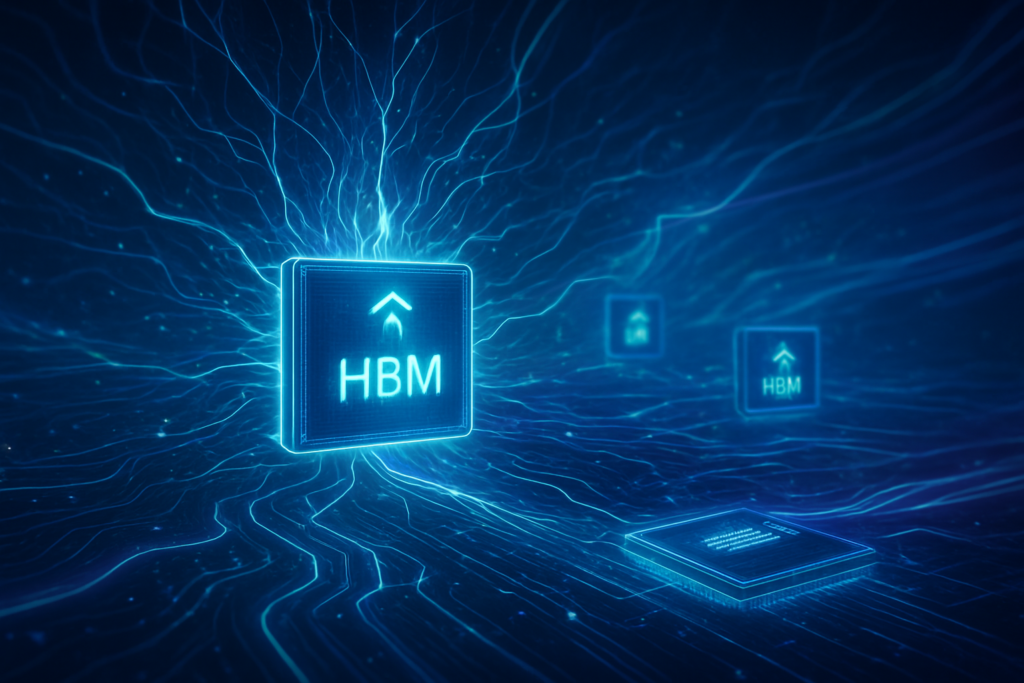
The current state of the memory market is characterized by a significant departure from any notion of "stabilization." Instead, contract prices for certain categories of DRAM and 3D NAND have reportedly doubled in a month, with overall memory prices projected to rise substantially through the first half of 2026, potentially doubling by mid-2026 compared to early 2025 levels. This explosive growth is largely attributed to the unprecedented demand for High-Bandwidth Memory (HBM) and next-generation server memory, critical components for AI accelerators and data centers.
Technically, AI servers demand significantly more memory – often twice the total memory content and three times the DRAM content compared to traditional servers. Furthermore, the specialized HBM used in AI GPUs is not only more profitable but also actively consuming available wafer capacity. Memory manufacturers are strategically reallocating production from traditional, lower-margin DDR4 DRAM and conventional NAND towards these higher-margin, advanced memory solutions. This strategic pivot highlights the industry's response to the lucrative AI market, where the premium placed on performance and bandwidth outweighs cost considerations for key players. This differs significantly from previous market cycles where oversupply often led to price crashes; instead, disciplined capacity expansion and a targeted shift to high-value AI memory are driving the current price increases. Initial reactions from the AI research community and industry experts confirm this trend, with many acknowledging the necessity of high-performance memory for advanced AI workloads and anticipating continued demand.
Navigating the Surge: Impact on Tech Giants, AI Innovators, and Startups
The soaring memory prices and supply constraints create a complex competitive environment, benefiting some while challenging others. Memory manufacturers like Micron Technology (NASDAQ: MU), Samsung Electronics (KRX: 005930), and SK Hynix (KRX: 000660) are the primary beneficiaries. Their strategic shift towards HBM production and the overall increase in memory ASPs are driving improved profitability and a projected multi-year upcycle. Micron, in particular, is seen as a bellwether for the memory industry, with its rising share price reflecting elevated expectations for continued pricing improvement and AI-driven demand.
Conversely, Original Equipment Manufacturers (OEMs) across various tech segments – from smartphone makers to PC vendors and even some cloud providers – face significant cost pressures. Elevated memory costs can squeeze profit margins or necessitate price increases for end products, potentially impacting consumer demand. Some smartphone manufacturers have already warned of possible price hikes of 20-30% by mid-2026. For AI startups and smaller tech companies, these rising costs could translate into higher operational expenses for their compute infrastructure, potentially slowing down innovation or increasing their need for capital. The competitive implications extend to major AI labs and tech giants like Google (NASDAQ: GOOGL), Microsoft (NASDAQ: MSFT), and Amazon (NASDAQ: AMZN), who are heavily investing in AI infrastructure. While their scale allows for better negotiation and strategic sourcing, they are not immune to the overall increase in component costs, which could affect their cloud service offerings and hardware development. The market is witnessing a strategic advantage for companies that have secured long-term supply agreements or possess in-house memory production capabilities.
A Broader Economic Barometer: AI's Influence on Global Tech Trends
The current memory market dynamics are more than just a component pricing issue; they are a significant barometer for the broader technology landscape and global economic trends. The intense demand for AI-specific memory underscores the massive capital expenditure flowing into AI infrastructure, signaling a profound shift in technological priorities. This fits into the broader AI landscape as a clear indicator of the industry's rapid maturation and its move from research to widespread application, particularly in data centers and enterprise solutions.
The impacts are multi-faceted: it highlights the critical role of semiconductors in modern economies, exacerbates existing supply chain vulnerabilities, and puts upward pressure on the cost of digital transformation. The reallocation of wafer capacity to HBM means less output for conventional memory, potentially affecting sectors beyond AI and consumer electronics. Potential concerns include the risk of an "AI bubble" if demand were to suddenly contract, leaving manufacturers with overcapacity in specialized memory. This situation contrasts sharply with previous AI milestones where breakthroughs were often software-centric; today, the hardware bottleneck, particularly memory, is a defining characteristic of the current AI boom. Comparisons to past tech booms, such as the dot-com era, raise questions about sustainability, though the tangible infrastructure build-out for AI suggests a more fundamental demand driver.
The Horizon: Sustained Demand, New Architectures, and Persistent Challenges
Looking ahead, experts predict that the strong demand for high-performance memory, particularly HBM, will persist, driven by the continued expansion of AI capabilities and widespread adoption across industries. Near-term developments are expected to focus on further advancements in HBM generations (e.g., HBM3e, HBM4) with increased bandwidth and capacity, alongside innovations in packaging technologies to integrate memory more tightly with AI processors. Long-term, the industry may see the emergence of novel memory architectures designed specifically for AI workloads, such as Compute-in-Memory (CIM) or Processing-in-Memory (PIM), which aim to reduce data movement bottlenecks and improve energy efficiency.
Potential applications on the horizon include more sophisticated edge AI devices, autonomous systems requiring real-time processing, and advancements in scientific computing and drug discovery, all heavily reliant on high-bandwidth, low-latency memory. However, significant challenges remain. Scaling manufacturing capacity for advanced memory technologies is complex and capital-intensive, with new fabrication plants taking at least three years to come online. This means substantial capacity increases won't be realized until late 2028 at the earliest, suggesting that supply constraints and elevated prices could persist for several years. Experts predict a continued focus on optimizing memory power consumption and developing more cost-effective production methods while navigating geopolitical complexities affecting semiconductor supply chains.
A New Era for Memory: Fueling the AI Revolution
The current surge in memory prices and the strategic shift in manufacturing priorities represent a watershed moment in the technology industry, profoundly shaped by the AI revolution. Far from stabilizing, memory prices are acting as a powerful indicator of intense, AI-driven demand, signaling a robust yet concentrated growth phase within the tech sector. Key takeaways include the immense profitability for memory manufacturers, the significant cost pressures on OEMs and other tech players, and the critical role of advanced memory in enabling next-generation AI.
This development's significance in AI history cannot be overstated; it underscores the hardware-centric demands of modern AI, distinguishing it from prior, more software-focused milestones. The long-term impact will likely see a recalibration of tech company strategies, with greater emphasis on supply chain resilience and strategic partnerships for memory procurement. What to watch for in the coming weeks and months includes further announcements from memory manufacturers regarding capacity expansion, the financial results of OEMs reflecting the impact of higher memory costs, and any potential shifts in AI investment trends that could alter the demand landscape. The memory market, once a cyclical indicator, has now become a dynamic engine, directly fueling and reflecting the accelerating pace of the AI era.
This content is intended for informational purposes only and represents analysis of current AI developments.
TokenRing AI delivers enterprise-grade solutions for multi-agent AI workflow orchestration, AI-powered development tools, and seamless remote collaboration platforms.
For more information, visit https://www.tokenring.ai/.