
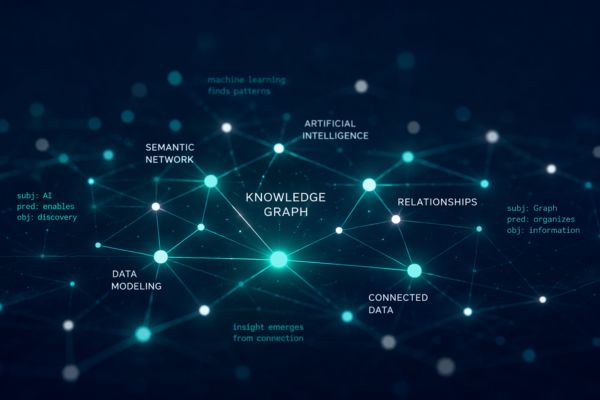
Content Maxima today announced new data demonstrating how its NLP-driven semantic keyword mapping strategies improve search engine alignment and content relevance. The company's findings outline a methodology that moves beyond traditional keyword density, offering insights designed to support more effective content optimization and stronger search performance.
The data release arrives at a time when search engine algorithms are becoming more sophisticated in interpreting user intent. As conversational queries and AI-powered search experiences continue to shape how users discover information online, Content Maxima reports that understanding semantic search has become central to maintaining digital visibility.
According to the company, its approach combines entity-based SEO, structured data, and linguistic modeling to help businesses communicate more clearly with the systems that determine online visibility. The methodology supports keyword clustering and content gap analysis, allowing brands to address long-tail keywords and pursue improved SERP features. Content Maxima's data indicates that the approach can reduce keyword difficulty and strengthen on-page SEO, contributing to more effective content strategies and improved conversion rate optimization.
For businesses, Content Maxima reports, the findings suggest that content aligned with semantic principles can achieve greater relevance and more meaningful audience engagement. The approach emphasizes addressing user intent directly, rather than matching surface-level search queries. This focus on relevance helps brands navigate search engine results pages and pursue stronger search volume and visibility, while reducing reliance on older keyword planner methodologies.
"Our latest research confirms that moving beyond traditional keyword matching to semantic mapping fundamentally changes how content resonates with search engines and, more importantly, with users," said Edward Baker, Co-founder of Content Maxima. "This data underscores a critical shift in how we approach content strategy, prioritizing true understanding over simple keyword density."
Baker also addressed the practical implications for brands applying the methodology. "For businesses, this means their content can achieve greater visibility and relevance, leading to more meaningful engagement and conversions," he said. "It empowers them to serve their audience with answers that truly address their intent, rather than just matching a search query."
Content Maxima's research points to a broader shift in the content optimization field. As search engines increasingly evaluate context, relationships between concepts, and the clarity of information, businesses relying solely on keyword frequency may see diminishing returns. The company's semantic mapping methodology is designed to help content creators and marketing teams adapt to these changes by structuring content in ways that reflect how modern search systems interpret meaning.
Industry observers have noted a steady shift in how content teams allocate resources, with more organizations investing in semantic analysis tools and entity-focused workflows. Content Maxima's findings align with this trend, reinforcing the view that keyword planning alone no longer captures the full picture of search intent or ranking potential across modern platforms.
The new data is part of Content Maxima's ongoing research into machine-readable content strategy, an area the company continues to expand as AI systems play a larger role in content discovery. Additional findings and methodology details are available through the company's research channels at https://www.contentmaxima.com/
About Content Maxima
Content Maxima is an AI-powered content strategy and optimization platform built to help brands become visible in a machine-driven world. By combining entity-based SEO, structured data, and advanced linguistic modeling, Content Maxima works to ensure that businesses are understood by the systems that control online visibility. The company serves clients seeking to improve their search performance through semantic and entity-driven optimization strategies.
###
For more information about Content Maxima, contact the company here:
Content Maxima
Edward Baker
646-383-3438
support@contentmaxima.com
244 5th Ave
Suite No. 2001
New York, NY 10001