The frontline-first workforce technology company predicts five trends in how organizations will respond to challenges of slow, fragmented, and ineffective training systems.
BOSTON, MASSACHUSETTS / ACCESS Newswire / February 4, 2026 / Six in 10 workers will require training this year, but only half have access to the training opportunities they need, according to a study by the World Economic Forum. iTacit, a leader in frontline-first workforce technology, forecasts five emerging trends that will make 2026 a turning point in training for the world's 2.7 billion deskless workers.
iTacit is the developer of comprehensive software for onboarding, training, compliance management and upskilling employees. iTacit transforms frontline training by unifying learning, communication, compliance, workflows and AI assistance in a single platform.
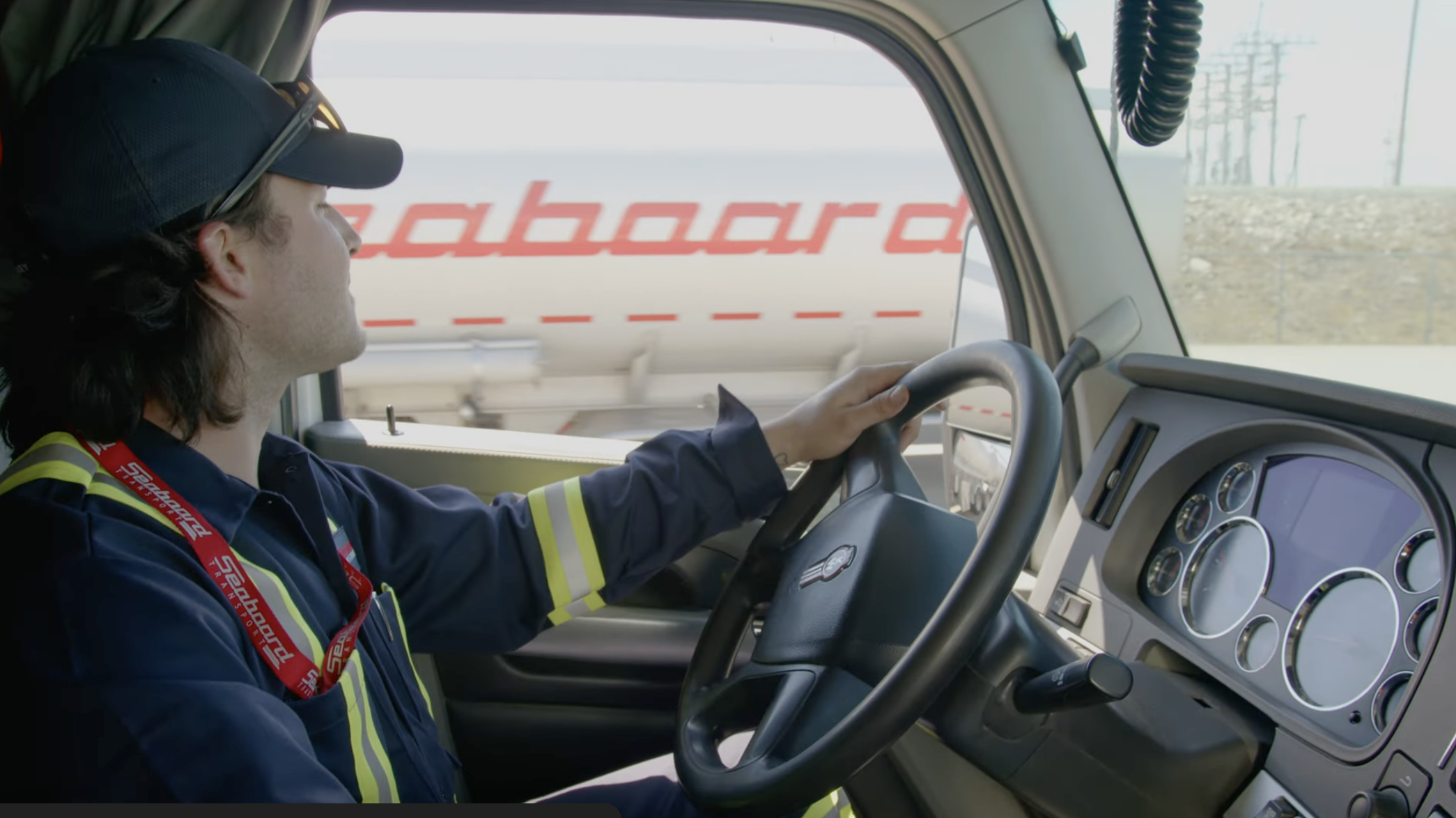
Drawing on its experience with clients in the transportation, healthcare and manufacturing sectors, iTacit predicts that this year, companies will move toward unified, moment-of-need enablement that closes the gap between training and real-world performance.
Frontline- operations leaders face challenges in improving safety, readiness and consistency because of fragmented training systems. Too often, training, safety, and operational support still live in disconnected systems, which results in programs that look good on paper but break down in the field.
iTacit President and COO Luke Megarity said organizations have seen growing urgency to adopt AI and digital workflows, but now will seek to ensure that those tools actually translate into behavior change, execution, and measurable learning and development (L&D) outcomes on the ground.
"AI is changing L&D by shifting the focus," Megarity said. "AI can deliver information instantly, but it doesn't provide context, culture, or real behavior change. That's where L&D and operational leadership become even more important. The teams that thrive will be the ones who move closer to the business, support managers, and build capability in a way AI simply can't."
IiTacit's Five Predictions for the Frontline Workforce in 2026
1. Administrative Burden Will Decline; Capability Building Will Surge
For years, frontline learning teams have spent more time managing training than improving it. They've been tracking who completed what, updating course catalogs, and chasing down certificates. That's changing.
According to the World Economic Forum, 42% of companies are already prioritizing AI and big data training over the next five years. As AI handles the administrative overhead, L&D leaders will have bandwidth to help people apply what they know, coach frontline managers, and build capability that shows up on the job.
2. L&D Will Be Embedded in the Business
Learning is no longer owned by a single department. It's shared across operations, safety, HR, and frontline leadership, which means it happens where the work gets done, not in a classroom.
3. Training Will Move to the Moment of Need
Job requirements shift faster than training calendars can keep up.
Frontline workers need to adapt immediately when a safety protocol changes or a new regulation goes into effect. Organizations are responding by layering moment-of-need support on top of traditional training: digital SOPs accessible on mobile devices, microlearning between shifts, workflow guidance embedded in daily operations. The classroom still has a role for foundational skills, but the real learning will take place at the point of work.
4. Outcomes Will Measure Success
Leaders are moving away from measuring training by hours delivered and focusing on operational metrics:
Can you onboard a driver in three weeks instead of six?
Did your safety incidents drop after the new training rolled out?
Are workers actually ready when procedures change?
The shift is from tracking completion to proving impact.
5. Human Leadership Will Remain the Differentiator
Human leadership remains essential. AI can't read a room or help an employee who's struggling to build confidence. Judgment, coordination, coaching, and active listening are the elements that set great frontline organizations apart from good ones.
In 2026, successful organizations will remove friction between training and doing, giving frontline teams the clarity, confidence, and support they need to perform in fast-changing environments.
To learn more about how iTacit transforms training and improves frontline engagement, visit iTacit.com.
About iTacit
iTacit's Frontline-First Workforce Technology gives frontline teams the clarity and confidence to perform complex work in fast-moving environments. The platform brings the core elements of frontline operations-training, communication, compliance, and workflow execution-into one mobile experience designed for workers who don't sit at desks. With real-time visibility for managers and always-on guidance for employees, iTacit helps organizations strengthen safety, raise performance, and build more resilient frontline teams across healthcare, manufacturing, logistics, government, and energy.
Contact:
Teri Maltais
teri.maltais@itacit.com
SOURCE: iTacit
View the original press release on ACCESS Newswire