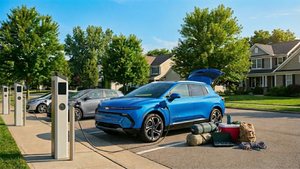
As electric vehicles (EVs) become a common sight on roads worldwide, EV chargers have grown into essential infrastructure—whether at homes, commercial lots, or public stations. Among all parts of an EV charging system, the connector plays a critical role: it's a direct link between the charger and your vehicle, transferring power safely and efficiently. If you ignore safety in connector design and use, it can lead to risks like electrical shocks, overheating, or even fires. That’s why understanding basic safety requirements for EV charger connectors is vital for users, businesses, and manufacturers alike.
Electrical Safety: The Foundation of Secure Charging Electrical
Safety is non-negotiable for EV charger connectors—they must prevent electric shocks, short circuits, and voltage fluctuations. First, connectors need strong insulation to separate live parts from external surfaces. This means using high-quality, wear-resistant materials that won't degrade over time, even with frequent use. Pilot's EV chargers, such as the PEVC2107E home charger and PEVC3401 commercial model, feature robust insulation layers that meet global electrical safety standards, ensuring no current leaks during charging.
Second, connectors must include built-in protection against overcurrent and overvoltage. If the power flow exceeds safe limits (e.g., due to a grid surge or vehicle malfunction), the connector should automatically cut off power to protect both the EV and the charger. Pilot's chargers integrate smart monitoring technology that tracks current and voltage in real time. For example, the PEVC3302E dynamic split charger (capable of up to 480kW) adjusts power distribution instantly and shuts down if abnormalities are detected—keeping users and equipment safe.
Last but not least, short-circuit protection. A short circuit can occur if metal parts of the connector touch accidentally, and it can cause sparks or overheating. Pilot's connectors are designed with secure pin layouts and anti-short circuits mechanisms, so even if debris enters the port, the risk of a short circuit stays extremely low.

2. Thermal Management: Keep Overheating at Bay
Charging an EV usually will generate heat, especially during DC fast charging. If a connector can't dissipate heat effectively, it may melt, warp, or damage the vehicle's charging port. That's why thermal management is a key safety requirement.
First, connectors must have efficient heat dissipation structures. This can include heat-resistant materials, ventilation channels, or even integrated cooling systems for high-power chargers. Pilot's PEVC3107E fleet and station charger boasts an efficiency rate of over 95%—less energy wasted as heat means cooler operation. Its all-in-one design optimizes heat flow, preventing hotspots that could compromise safety.
Second, connectors should have temperature sensors that trigger alerts or shut down charging if temperatures rise too high. If the connector gets too hot (e.g., due to a blocked port or prolonged use), the system sends a notification and stops charging automatically—avoiding potential hazards.

3. Mechanical Durability: Withstand Frequent Use
EV charger connectors are used repeatedly—home users plug in daily, while commercial stations see hundreds of connections weekly. A fragile connector can break, loosen, or fail, leading to poor contact and safety risks. So mechanical durability is essential.
Connectors must be made of tough, impact-resistant materials that can handle wear and tear. Our Pilot's connectors use high-strength plastics and metal components that resist scratches, drops, and corrosion. The PEVC2107E home charger, for example, is compact yet durable, designed to withstand years of daily use without losing performance.
Additionally, the connection between the connector and the EV port must be secure. A loose fit can cause arcing (sparks) or intermittent power flow, which is dangerous. Pilot's connectors feature a snug, locking mechanism that keeps them firmly attached during charging. Users can feel the "click" when the connector is properly inserted, ensuring a stable and safe connection every time.
4. Weather and Environmental Resistance: Safe for Indoor and Outdoor Use
Many EV chargers are usually installed outdoors, exposed to rain, dust, extreme temperatures, and humidity. Connectors must resist these elements to maintain safety. The industry uses IP (Ingress Protection) ratings to measure a device's resistance to dust and water—EV charger connectors should have a minimum IP rating of IP54 (protected against dust and splashing water) for outdoor use.
Our Pilot goes further with its outdoor-focused solutions. Our commercial and industrial all-in-one cabinet houses connectors in weather-sealed enclosures, while standalone chargers like the PEVC3401 commercial model with IP54-rated feature connectors—fully protected against dust and low-pressure water jets. Whether it's pouring rain, scorching sun, or freezing snow, Pilot's connectors keep working safely, without performance drops.
For indoor use (e.g., home garages or office parking), connectors still need to resist dust and accidental spills. Our home charger connectors meet the same high standards, ensuring safety in any environment.

5. Compatibility and Standard Compliance: Work With All EVs Safely
EVs come with different charging port standards (e.g., Type 2 for AC charging, CCS for DC fast charging). A safe connector must be compatible with these standards to avoid mismatches that could damage the vehicle or cause safety issues. Manufacturers must follow global standards set by organizations like IEC (International Electrotechnical Commission) and UL (Underwriters Laboratories) to ensure universal compatibility.
Our Pilot design connectors to work with all major EV models and standards. The PEVC2107E AC charger (3.5kW to 22kW) uses Type 2 connectors, compatible with most passenger EVs on the market. The PEVC3302E split ultra fast charger supports CCS and other fast-charging standards, making it ideal for commercial stations catering to different vehicles. By adhering to global standards, Pilot ensures that its connectors fit seamlessly with any EV, eliminating compatibility risks.
Compliance with standards also means passing rigorous safety tests—from electrical stress tests to temperature cycling and mechanical endurance checks. Pilot’s 194+ patents and global partnerships (in 80+ countries) are a testament to its commitment to quality and compliance. Every connector undergoes strict testing before leaving the factory, so users can trust that they meet the highest safety benchmarks.
6. Smart Safety Features: Proactive Protection for Peace of Mind
Modern EV charger connectors aren't just passive components—they use smart technology to add an extra layer of safety. These features can help users and operators monitor the connector's status in real time and address issues before they become risks.
Another smart feature is "no-load power cut-off." If the connector is plugged into the charger but not the vehicle, it should stop supplying power to prevent accidental contact with live pins. Pilot's connectors automatically cut off power when not connected to an EV, reducing the risk of shocks.
Conclusion: Prioritize Safety, Choose Reliable Connectors
EV charger connectors may seem like small parts, but they are the backbone of safe charging. From electrical insulation and thermal management to durability and smart monitoring, every safety requirement works together to protect users, vehicles, and equipment. At Pilot, safety is at the core of every product. With over 20 years of experience in energy management, Pilot integrates world-leading technologies into its EV chargers, ensuring that connectors are not just efficient and scalable but also extremely safe.
Media Contact
Company Name: Pilot Technology
Email: Send Email
Country: China
Website: https://www.pilotech.ai/