GrinderCrusherScreen has published a new blog guide that explains how vibrating screens work, where they fit in material processing, and what operators should review when choosing a machine. The company said the resource was released to give equipment buyers and plant operators a clearer reference on screening applications as demand continues for practical information on sorting and sizing material in recycling, aggregate, compost, and related operations.
The new guide presents vibrating screens as a key part of material processing systems that sort material by size through repeated motion across a screening surface. According to the article, vibration helps separate finer material from larger pieces and allows operators to produce a more consistent output stream. The company frames the post as an educational resource for readers who are comparing equipment options or trying to understand how a screen fits into a larger setup.
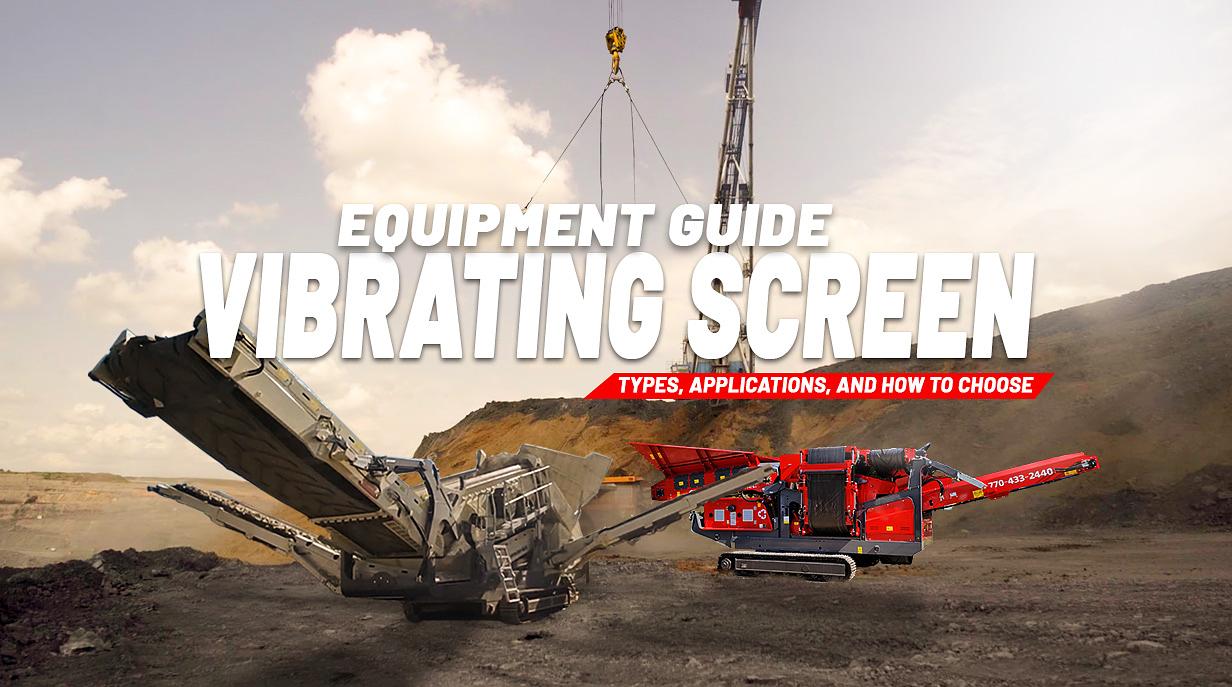
The article also explains that screening results can vary based on the material itself and the way a machine is configured. It points to factors such as moisture content, feed consistency, production goals, and the size of the material being processed. The guide notes that these points can affect throughput, separation quality, and the machine setup needed for a given job.
“Many operators and buyers need a clear starting point before they begin comparing machines or adjusting a plant setup,” said Alex Laldin, Marketing Director at GrinderCrusherScreen. “This guide was published to explain the basic role of a vibrating screen and to give readers a practical overview of the factors that affect machine choice and screening results.”
The post describes vibrating screens as part of a broader equipment line used to move, sort, and prepare material for sale, reuse, or disposal. It explains that the machines can be used in operations handling aggregate, soil, compost, recycled material, and other mixed feed streams. In that context, the guide presents screening as a step that can help separate finished product from oversize material and support more controlled processing.
Another part of the article focuses on how machine setup can change results. The guide explains that screen media, opening size, and deck arrangement can all affect how material moves and separates. It notes that different jobs may call for different setups based on the output required and the condition of the incoming feed. That point places emphasis on matching the machine and screen surface to the material rather than relying on one fixed setup across all applications.
The guide also addresses the role of vibrating screens in complete processing lines. It states that a screen may be used before or after grinders, crushers, shredders, and conveyors depending on the condition of the material and the desired end product. This part of the article gives readers a simple explanation of how screening equipment can support sorting, cleanup, and size control in day-to-day operations.
In addition, the blog post presents machine selection as a practical decision tied to workflow and production needs. The article says operators should review the type of material being handled, the number of finished sizes needed, and the amount of material expected to move through the machine. It also points to the need to consider how a vibrating screen works with other equipment already in use at a site. By framing the issue this way, the guide moves beyond a basic definition and gives readers a more useful reference for planning a system.
The timing of the release also gives the company a current news angle tied to equipment education. Material processors, recycling operations, and aggregate yards often review plant performance and equipment needs as production demands shift through the year. In that setting, a plain-language guide on screening equipment gives buyers and operators a timely source of basic information without requiring technical background. The article appears intended to help readers ask better questions before moving into machine comparisons or purchase discussions.
The company’s post avoids focusing on one model and instead centers on the purpose and use of the equipment category. That approach makes the guide usable for readers at an early research stage, including those learning how screens fit into a processing circuit for the first time. It also gives current operators a general reference on the factors that influence screening performance and output consistency.
GrinderCrusherScreen states on its website that it sells new and used recycling equipment, parts, and attachments for material processing operations. The company also lists equipment categories that include grinders, crushers, screens, trommels, shredders, and conveyors, reflecting its focus on machinery used in aggregate, recycling, and related industries.
###
For more information about GrinderCrusherScreen, contact the company here:
GrinderCrusherScreen
Rick Cohen
(770) 433-2670
Sales@GrinderCrusherScreen.com
1772 Corn Rd, Smyrna, GA 30080