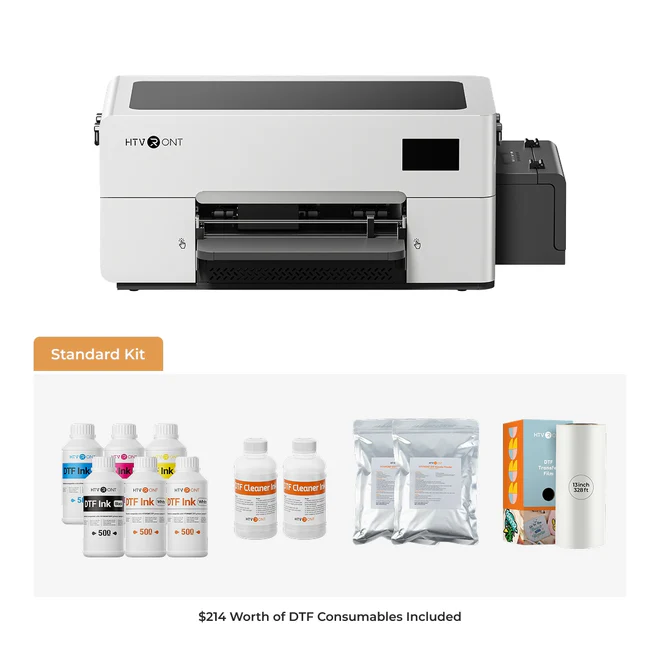
 DTF Printer has revolutionised custom apparel in the last few years and has provided small businesses and small scale creators a way to produce custom apparel quickly, cheaply, and without the need for large factories. Digital-to-film printing (DTF) creates beautiful and colorful transerable designs, which can easily be applied to a variety of fabric-based products, including apparel, bags, and even uniforms.
Importance of Proper Powder Treatment
The transfer is not complete until the print is adhered with heat to the fabric. Not using enough powder will leave gaps in the transfer. Too much powder will create a rough and thick transfer.
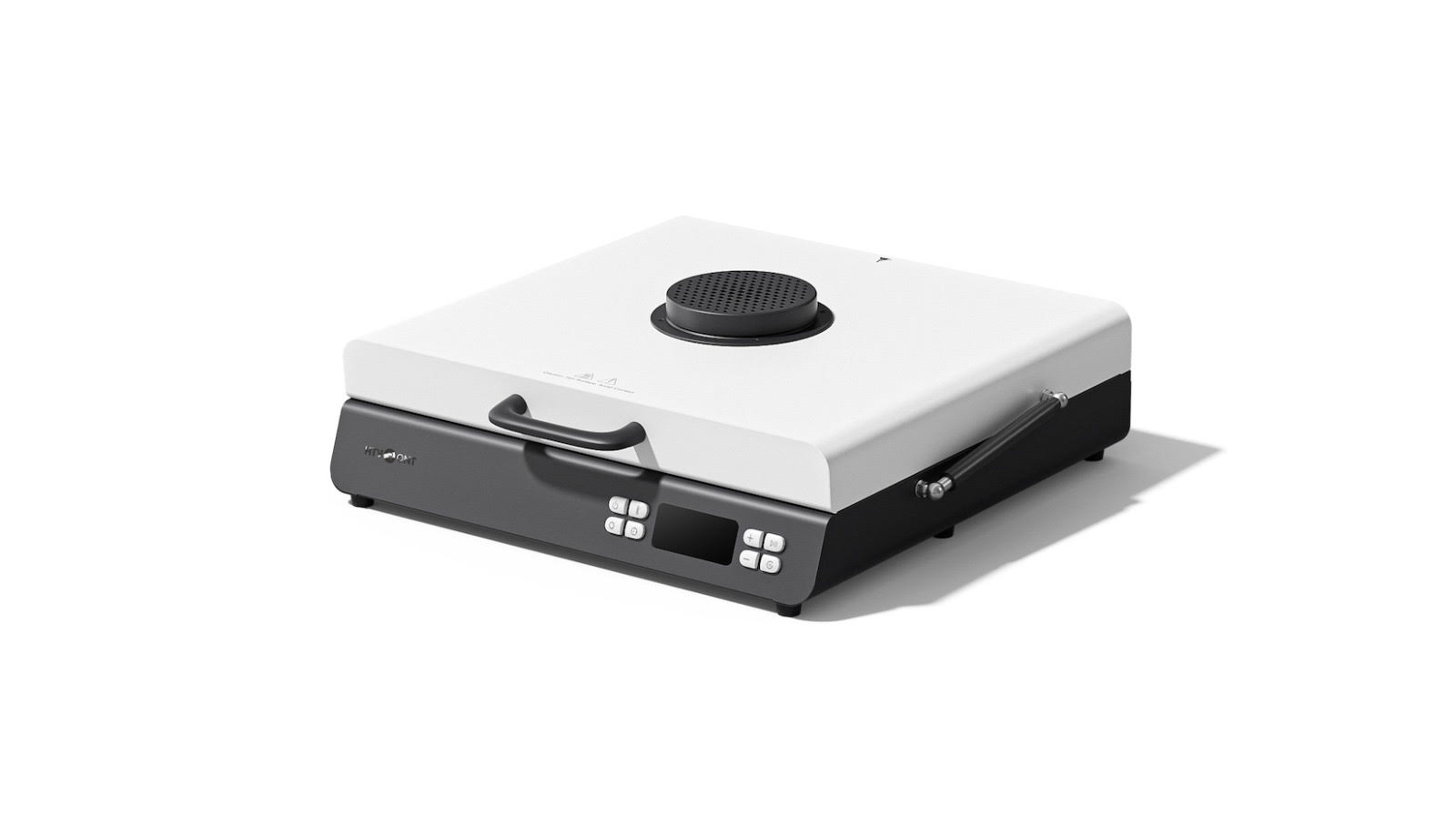
The Function of a DTF Oven
The application of powder involves curing the transfer to complete the process. This is where a DTF Oven is convenient. An oven contains a specific heating element to melt adhesive powder and prepare the transfer. Curating transfer using a dedicated oven is more effective, simple, and consistent. For businesses producing a lot of transfers, using an oven will significantly help with their transfer curing process.
 The Importance of Heat Control
While curing requires heat, having more heat does not ensure quality transfer. High temperatures can damage the film or the ink. Adhesive powder may not be fully melted with lack of heat. The ideal set up for curing transfers would allow the user to determine and maintain the heat instructions for the given material. Following the heat instructions from the manufacturers is perhaps the easiest way to achieve high quality transfer consistency.
The Need for a DTF Oven
During the initial few transfers, a beginner may not even deem it necessary to have a dedicated oven. For a low volume of orders, the transfer curing process may be be done without fuss. Increasing orders will have one needing an oven for quick transfers, ease of use and to maintain a clean work environment. Using an oven will mean one gets to do fewer transfer preparations during the day.
From Cure to Garment Placement
Next is the placement of the transfer on the garment via a heat press machine. The transfer is placed on the garment then pressure and heat are applied for a specified time. The settings used depend on the transfer film, adhesive, garment fabric, and the instructions supplied by the equipment or material manufacturer.
What a Heat Press Does
A heat press does much more than apply heat. Adhesion is achieved by three components: heat, pressure, and time. An uneven press results in a poor bond and a design failure. Inconsistent temperature during the bonding process results in poor print adherence. A consistent press helps achieve uniform bonding from one garment to the next.
Preparing the Garment
The outcome of the transfer application process is achieved long before the transfer is placed in the press. To ensure a good outcome, the garment must be clean, dry and placed on the pressing surface in a flat plane. Factors such as wrinkles, moisture, seams, buttons, and pockets prevent even pressure and should therefore be avoided. Pre-pressing the garment is highly recommended to remove moisture and flatten the garment prior to print placement.
Positioning the Transfer Correctly
Positioning is another part of good design. A tilted or slightly off center design can make an otherwise appealing product look unprofessional. Before you press a transfer, measure or verify the position. For bulk business orders it helps to have a consistent placement method so that all the shirts in that order line up. This is important when making orders for uniforms or team shirts.
Using the Heat Press Correctly
Every transfer has pressing instructions, so it is important to follow those instead of guessing. The temperature, pressure, and time used to press must be adjusted for the film and fabric. After pressing, a transfer may require a hot peel, warm peel, or a cold peel. Adhering to the proper process prevents lifting, cracking or incomplete adhesion.
DTF for Small Clothing Businesses
This technology meets the needs of small businesses. A creator can take custom orders and not have to stock large quantities of printed clothing. Customers can have names, graphics, slogans, logos, event designs or even personalized gift orders. The amount ordered can be the amount produced. This helps with the overall inventory control of custom made clothing.
T-shirts are only the beginning
If you're just starting out, you can use blank T-shirts to learn the basics of DTF Transfers. You can branch out to different pieces of clothing with varying materials and transfer types. Use hoodies. Use sweats. Use tote bags. Use work clothes. Use sportswear. Use textile products. This can help entrepreneurs keep their products and offerings fresh. Selling funky, custom hoodies and sweats can help a creator offer a wider variety of custom printing products.
How the Three Machines Work Together
The DTF Printer, DTF Oven, and Heat Press Machine have distinct functions. The design gets printed onto a transfer in a DTF Printer, adhesive powder gets cured in a DTF Oven, and the transfer gets bonded to the garment in a Heat Press Machine. When used together, these help simplify the production process. Understanding how each of these functions can help first-time users avoid using a particular machine for a function that it was not designed to do.
Final Thoughts
A contemporary custom apparel setup allows creators to transform their digital artwork into actual physical products. The DTF Printer takes care of the design transfer, the DTF Oven takes care of the curing step and the Heat Press Machine helps with the application. As a combination, these machines can help set up a printing workflow for creators and businesses that are starting up and expanding.
The technology really helps creators and businesses produce custom designs based on the requests of their customers. As long as a proper selection of consumables is done, cures are done properly, pressing is done properly, the machine is maintained, and the quality is checked frequently, DTF printing would really help a custom apparel business. The best results come from actually knowing the process rather than just using machines.