
If you work with rotating machinery, you already know how much rides on precision. Torque meters are the tools engineers trust to measure rotational force with accuracy. Without them, calibration guesswork creeps in, and that guesswork can cost time, money, and safety. This article breaks down why these devices matter, how they work, and how to choose one that fits your application in the United States market today.
What Is a Torque Meter and How Does It Work
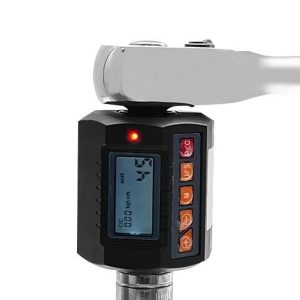
A torque meter is a precision instrument built to measure the twisting force applied to a rotating shaft. It converts mechanical strain into an electrical signal using strain gauges or optical sensors. That signal is then processed and displayed as a torque reading in real time. Engineers rely on this data to confirm equipment is running within safe operating limits. Unlike a simple wrench, this device provides continuous, repeatable feedback rather than a single static reading, making it far more useful for testing and quality control work.
The Role of Torque Meters in Modern Industries
Manufacturing plants, automotive labs, and aerospace facilities all depend on precise rotational data. A small measurement error can lead to product failure or costly recalls. That’s why so many quality teams treat accurate torque measurement as a non-negotiable step in production. Torque meters provide reliable readings during critical testing and assembly processes, helping technicians verify that components meet exact specifications. From assembly line fastening to engine testing, these instruments support consistent performance and product safety. Their role has grown as industries push toward tighter tolerances and stricter safety regulations, especially in sectors where a single faulty bolt could compromise an entire system.
Key Benefits
Choosing the appropriate torque meters brings advantages that go well beyond a single reading. Below are the core benefits that make these instruments worth the investment for engineers and technicians alike.
Improved Accuracy
Digital sensors reduce human error compared to manual gauges. Readings stay consistent across repeated tests. This precision helps teams catch small deviations before they become costly problems on the production floor.
Enhanced Safety
Overtightened or undertightened fasteners create serious safety risks. Real-time monitoring flags issues before equipment is put into service. This proactive approach protects both workers and end users from preventable mechanical failures.
Reduced Waste
Accurate calibration means fewer scrapped parts and reworked assemblies. Manufacturers save on material costs and labor hours. Over time, this efficiency adds up to meaningful savings across large production runs.
Better Quality Control
Consistent data supports stronger documentation and audit trails. Quality teams can trace every test back to a verified measurement. This transparency builds trust with clients and regulatory bodies alike.
Types of Torque Meters Available Today
Not every application needs the same measurement setup. Manufacturers offer several designs, each suited to specific testing conditions and shaft configurations. Understanding these differences helps buyers avoid costly mismatches between equipment and use case.
Rotary Torque Meters
These attach directly to a rotating shaft and measure force continuously during operation. They’re common in engine dynamometers and motor testing rigs where live data matters most.
Static Torque Meters
Static models measure force on a stationary component. They work well for bolt tightening checks and bench testing where the shaft isn’t actively spinning.
Digital Torque Meters
Digital versions offer instant readouts, data logging, and connectivity to computers. They’ve become the standard choice for labs that need traceable, exportable results.
How Torque Meters Improve Product Quality
Quality assurance depends on repeatable, trustworthy data. A reliable torque meter gives technicians confidence that every fastener, gear, or shaft meets design specifications before it leaves the factory. This consistency reduces field failures and warranty claims down the line. Companies that invest in precise rotational force measurement often see fewer customer complaints and stronger brand reputations. In industries like automotive and aerospace, where safety margins are thin, this level of quality assurance isn’t optional. It’s a baseline expectation that protects both the manufacturer and the end user.
Torque Meters vs Torque Wrenches: What’s the Difference
People often confuse these two tools, but they serve different purposes. A torque wrench applies and limits force during assembly, typically for a single tightening action. A torque meter measures and records force data, often continuously and across a range of conditions. Wrenches are hands-on tools for the field, while meters are precision instruments for testing, research, and calibration labs. Knowing this distinction helps buyers choose the right tool instead of assuming one can fully replace the other in every situation.
Choosing the Right Torque Meter for Your Application
Selecting the right device starts with understanding your torque range, shaft speed, and environment. High-vibration settings need rugged sensors, while lab environments may prioritize digital precision instead. Budget also plays a role, since rotary models with wireless data transmission cost more than basic static units. Buyers should also consider calibration support and warranty terms from the manufacturer. Matching the tool to the actual application, rather than buying the most advanced model available, usually delivers better long-term value and fewer compatibility headaches.
Common Applications of Torque Meters Across Industries
These instruments show up in more places than most people realize, supporting testing and production across a wide range of sectors.
- Automotive engine and transmission testing
- Aerospace component certification
- Robotics and motor performance validation
- Wind turbine and renewable energy testing
- Industrial fastening and assembly line checks
Each application demands slightly different specifications, but the underlying goal stays the same: confirming that rotational force stays within a safe and predictable range throughout operation.
Maintenance Tips to Keep Torque Meters Accurate
Even the best equipment drifts out of calibration over time. Regular maintenance keeps readings trustworthy and extends the instrument’s working life significantly.
Schedule Routine Calibration
Most manufacturers recommend annual calibration, though heavy-use environments may need it more often. Skipping this step risks silent measurement errors.
Protect Sensors From Environmental Damage
Dust, moisture, and extreme temperatures can affect sensor performance. Store and operate equipment within the manufacturer’s recommended conditions whenever possible.
Inspect Cables and Connections Regularly
Loose or damaged wiring can distort readings without obvious warning signs. A quick visual check before each test session catches most issues early.
Future Trends in Torque Measurement Technology
Wireless data transmission and cloud-based logging are changing how teams collect and review test results. Newer sensors offer higher sampling rates and better resistance to electrical noise. Artificial intelligence is starting to play a role too, flagging unusual patterns in torque data before they cause equipment damage. As industries push toward smart manufacturing, torque meters are becoming more connected and more predictive rather than purely reactive. This shift promises faster diagnostics and less downtime for facilities that adopt the newer generation of measurement technology.
Final Thoughts
Accurate rotational force data isn’t a luxury; it’s a foundation for safe, efficient operations. Whether you’re testing a jet engine component or tightening bolts on an assembly line, dependable measurement equipment protects quality and reputation alike. Investing in the right equipment, paired with consistent maintenance, pays off through fewer failures and stronger long-term performance across every application that depends on precise torque data.
Frequently Asked Questions
What is a torque meter used for?
It measures the rotational force, or torque, applied to a shaft or fastener. This helps engineers confirm equipment performance and safety.
Why do industries need accurate torque measurement?
Inaccurate readings can lead to equipment failure, safety risks, and costly product recalls. Precise data keeps operations reliable and compliant.
Where are torque meters commonly used?
They’re widely used in automotive testing, aerospace manufacturing, robotics, wind energy, and industrial assembly lines across the United States.
How does a torque meter differ from a torque wrench?
A wrench applies and limits force during tightening, while a meter measures and records force data continuously for testing purposes.
How often should a torque meter be calibrated?
Most manufacturers suggest annual calibration, though facilities with heavy daily use may need to calibrate more frequently to maintain accuracy.