Differences in Voltage Application
DC testing applies a constant voltage across cable insulation. While effective for older paper-insulated or oil-paper cables, this method can create uneven electrical stress in XLPE insulation due to space charge accumulation. In some cases, residual voltage may remain in the insulation after testing, increasing post-test handling risks.
VLF testing applies a sinusoidal voltage at very low frequencies, typically between 0.01 Hz and 0.1 Hz. This approach closely simulates AC operating stress while significantly reducing capacitive charging currents. As a result, the voltage distribution across the insulation is more uniform and closer to real service conditions. For modern polymer cables, VLF testing is generally considered safer and less intrusive.
Leakage Current Measurement Accuracy
During DC testing, measured leakage current may include contributions from space charge effects and surface conditions, which can lead to overstated insulation defects or false diagnostic results. This can complicate insulation condition assessment, particularly for XLPE cables.
In contrast, leakage current measured during VLF testing reflects insulation behavior under near-operating electrical stress. Because VLF minimizes residual charge effects, test results are typically easier to interpret and more representative of actual insulation weaknesses. For condition assessment of modern cables, VLF testing is widely regarded as the more reliable method.
Safety and Insulation Aging Considerations
Repeated DC testing can accelerate insulation aging in XLPE cables due to uneven voltage stress and persistent space charge buildup. Residual voltage also presents additional safety concerns for operators during cable discharge and post-test handling.
VLF testing applies lower overall electrical stress and leaves minimal residual voltage in the cable. This improves operator safety and reduces the risk of premature insulation degradation. For these reasons, many international standards recommend VLF testing for medium- and high-voltage polymer-insulated cables.
Selecting the Appropriate Test Method
DC testing remains suitable for legacy cable systems, particularly paper-insulated and oil-paper insulated cables, or applications requiring short-duration high-voltage stress.
VLF testing is recommended for XLPE, EPR, and other modern polymer-insulated cables. It is especially effective for field testing of installed cables, routine condition monitoring, and preventive maintenance programs.
According to Wrindu technical specialists, selecting the appropriate test method should always consider insulation type, cable age, safety requirements, and testing objectives.
Wrindu Expert Review
“Both DC and VLF testing methods have their place in high-voltage cable assessment,” said a Wrindu technical representative. “However, for modern XLPE and polymer-insulated cables, VLF testing provides a safer and more accurate evaluation while helping extend cable service life.”
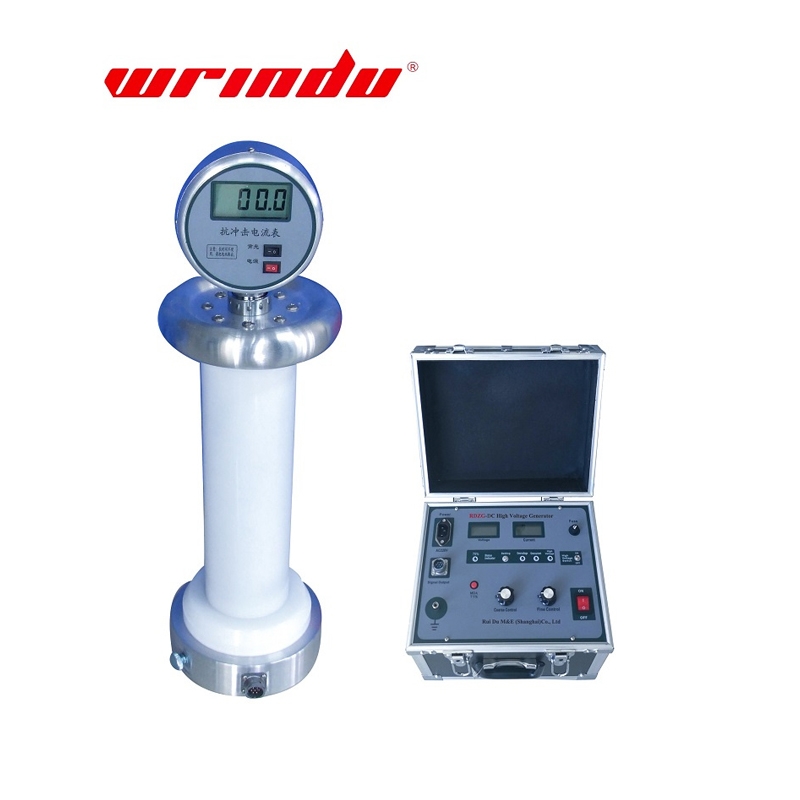
Wrindu offers both DC testers and VLF high-voltage test systems to support a wide range of cable testing applications and industry requirements.
For more information about Wrindu high-voltage cable testing solutions, visit the company’s official website: www.wrindu.com / www.hvtesters.com
For technical blogs, visit official website: blog.wrindu.com
Media Contact
Company Name: Rui Du Mechanical and Electrical (Shanghai) Co., Ltd.
Contact Person: Wrindu
Email: Send Email
Phone: 13661908522
Address:No.500 Jianyun Road, Pudong New Area
City: Shanghai
Country: China
Website: https://www.wrindu.com/