Ericsson's Approach to Environmental Sustainability
By:
3BL Media
April 28, 2022 at 07:15 AM EDT
SOURCE: Ericsson DESCRIPTION:Climate change is one of the most urgent global challenges. Ericsson continues its focus on energy use and environmental impact of technology as well as operations across the value chain to be a resilient company. Ericsson will continue to address rising requirements and stakeholder expectations on the Company, particularly regarding transparency around climate-related business impacts. Approach to environmental sustainability
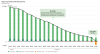
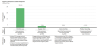
Sustainability research To support the ICT sector’s transition to a low carbon economy, the International Telecommunication Union (ITU) has released the Net Zero standard1) to guide companies in the sector on setting Net Zero targets and strategies. Ericsson has contributed to the development of this standard, which meets the requirements of Science Based Target Initiative and UN Race to Zero Net Zero definitions. Ericsson’s Net Zero ambition To meet this ambition, Ericsson is progressing against its set targets in line with the 1.5°C ambition set by the Paris Agreement. Ericsson has set a first major milestone to achieve Net Zero emissions from its own activities – as well as reducing emissions by 50% in its portfolio and supply chain – by 2030, see Figure 1. Figure 2, shows Ericsson’s carbon footprint and climate targets. The Company’s initial focus is on reducing and avoiding emissions across the value chain as well as on investing in renewable energy. As a last resort to address any unavoidable emissions, Ericsson will work to remove remaining emissions from the atmosphere through approved carbon removal 2) credits. Ericsson is committed to building credibility regarding its long-term objectives in this area, with a focus on ownership of the issue and integration of its climate strategy in the line organization. The following pages cover targets, performance and the necessary actions to reduce emissions in each stage of Ericsson’s value chain. ICT is an enabler of climate action Advocacy To address these areas, Ericsson is active in industry organizations such as Digital Europe, the Association of Swedish Engineering Industries, the European Round Table for Industry and other relevant forums. The Company also engages with organizations5) that are focused on global environmental standardization development. Further, in order to communicate the benefits of digitalization in the transition to a low carbon economy, Ericsson engages with organizations such as the World Economic Forum, the European CEO Alliance, the Exponential Roadmap Initiative, The Pathways Coalition and the EU Green Digital Coalition. Ericsson was an early supporter of the Paris Agreement and recognizes the need to limit global warming to 1.5°C, as described by the Intergovernmental Panel on Climate Change (IPCC). The Company’s climate action approach and target setting for its own operations and industry impact is based on more than two decades of sustainability research. In 2021, Ericsson conducted a climate scenario analysis in line with the recommendations of the Task Force on Climate-Related Financial Disclosures (TCFD) to further understand potential climate-related risks and opportunities relevant to its business model. The analysis confirmed that the main climate-related business opportunities for Ericsson relate to providing customers with energy efficient networks and expanding its connectivity offerings to other sectors enabling further emission reductions. Main risks identified under the scenarios used relate to carbon pricing and business disruptions driven by physical risks, such as those caused by severe weather events. More details on this analysis and conclusions can be found on page 33 in the in Ericsson's 2021 Sustainability and Corporate responsibility Report. Ericsson’s carbon footprint As seen in Figure 2, the carbon emissions resulting from the lifetime energy usage of Ericsson’s delivered portfolio corresponded to approximately 94% and supply chain emissions accounted for 8% of the Company’s total carbon footprint. Ericsson’s emissions from own activities are small relative to the previous two categories. They make up 0.4% of the total emissions. In 2021, the Company expanded its carbon neutral target for own operations into a Net Zero emissions target for own activities by 2030, including fleet vehicles, facilities, business travel and commuting/teleworking. Own activities previously included product transportation, this is now moved to supply chain emissions. According to Ericsson’s estimations, recycling of its products at end-of-life contribute to lower supply chain emissions. The reason for this is that emissions from recovered raw materials, such as aluminum, are lower than those from virgin raw material. Thus, product recycling results in a negative share of Company emissions as shown in Figure 2. 1)ITU L.1471 Net Zero standard
KEYWORDS: NASDAQ: ERIC, Ericsson
More NewsView More

TL;DR: Why Reddit is the New Growth Stock to Beat ↗
Today 10:26 EST
Via MarketBeat
Via MarketBeat
Tickers
RKLB
Recent QuotesView More
Stock Quote API & Stock News API supplied by www.cloudquote.io
Quotes delayed at least 20 minutes. By accessing this page, you agree to the Privacy Policy and Terms Of Service.
© 2025 FinancialContent. All rights reserved.
|