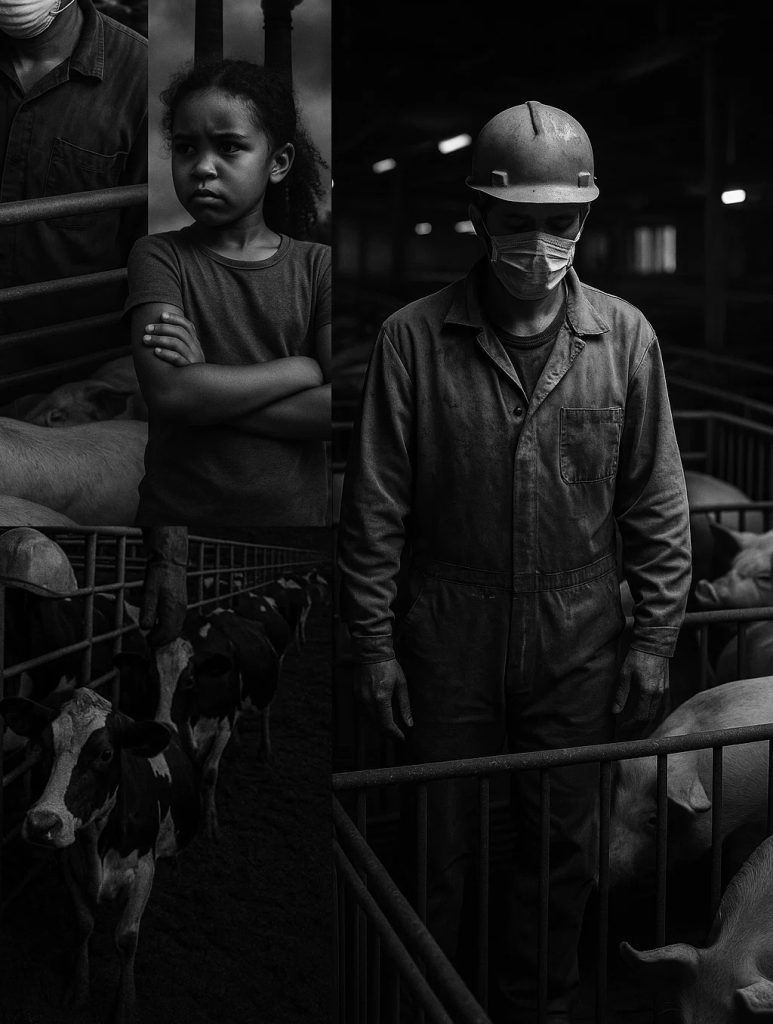
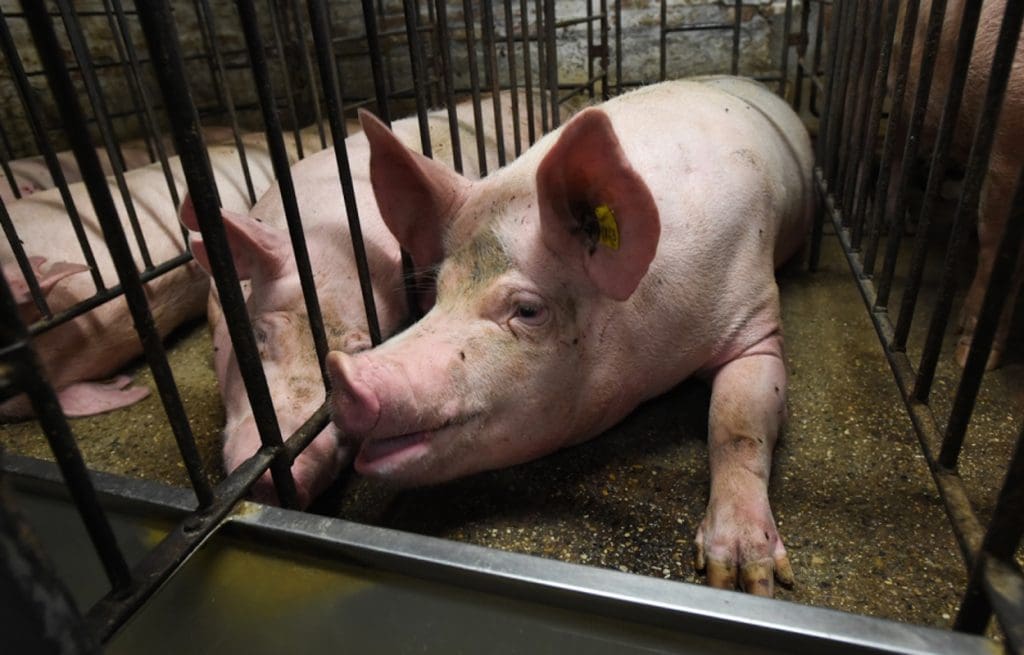
Extensive Global Research Continues to Highlight the Environmental, Public Health, and Animal Welfare Impacts of Factory Farming as Worldwide Interest in Plant-Based Diets Accelerates
By:
AB Newswire
November 19, 2025 at 15:50 PM EST
 Over the past two decades, extensive research from international scientific bodies, peer-reviewed journals, environmental agencies, and public health organizations has consistently documented the far-reaching impacts of industrial animal agriculture — commonly known as factory farming. These findings have contributed to increased global discussion around food sustainability, antibiotic stewardship, and dietary diversification, including expanding interest in plant-based eating patterns. The following information reflects well-established scientific consensus and data published by authoritative institutions such as the United Nations Food and Agriculture Organization (FAO), the Intergovernmental Panel on Climate Change (IPCC), the World Health Organization (WHO), the European Food Safety Authority (EFSA), the CDC, and hundreds of independent academic researchers.
Documented Environmental Impacts of Factory Farming Greenhouse Gas Emissions FAO analyses remain among the most cited references in discussions about livestock emissions. According to the FAO, livestock contributes approximately 14.5% of global greenhouse gas emissions, including methane (primarily from cattle), nitrous oxide (from manure and fertilizers), and carbon dioxide from land-use change. Methane emissions from ruminant animals are especially potent. Peer-reviewed climate research emphasizes that methane’s short-term warming effect is significantly stronger than CO₂, making livestock production a key component in near-term climate mitigation strategies. Land Use and Resource Consumption A landmark study published in Science (Poore & Nemecek, 2018) evaluated data from tens of thousands of farms across the world. The study found that:
These findings confirm longstanding FAO assessments that livestock agriculture is the largest user of agricultural land globally. Deforestation and Habitat Loss International environmental organizations, including the FAO and WWF, continue to identify cattle ranching as a major driver of deforestation, especially in the Amazon rainforest. Research confirms that both pasture expansion and the cultivation of soy for animal feed contribute significantly to forest loss, resulting in biodiversity decline and carbon release. Water Use Multiple scientific reviews show that animal products require substantially more water to produce compared to plant foods. Water scarcity research highlights the pressure industrial livestock systems place on freshwater resources, particularly in regions with intensive dairy or feed crop production.
Public Health Implications Documented by Global Health Agencies Antimicrobial Resistance (AMR) The WHO, CDC, and European Centre for Disease Prevention and Control (ECDC) have repeatedly identified antimicrobial resistance as one of the most significant threats to global health. A major contributing factor is the use of antibiotics in livestock production:
These concerns have prompted several countries to implement stricter regulations on antibiotic use in agriculture. Zoonotic Disease Risk High-density animal confinement increases the potential for zoonotic disease transmission. Reports from the WHO, OIE (World Organisation for Animal Health), and numerous epidemiological studies indicate that the conditions typical of factory farming can facilitate the spread of pathogens such as influenza viruses, salmonella, E. coli, and campylobacter. Diet-Related Health Findings Peer-reviewed studies and WHO evaluations have identified associations between high consumption of red and processed meats and increased risks of:
These conclusions support dietary guidelines around the world that recommend limiting consumption of processed meats and increasing intake of plant-based foods. Animal Welfare Findings from Scientific Committees Animal welfare science has long documented the challenges associated with high-intensity farming systems:
These findings have influenced legislative reforms in some regions, although practices vary significantly across countries. Global Trends Toward Plant-Based Eating Supported by Market and Survey Data Market research organizations including Euromonitor, Nielsen, Statista, and Bloomberg Intelligence continue to report substantial growth in plant-based food sales. These trends reflect:
Additionally, national dietary guidelines in countries such as Canada, Brazil, and parts of the EU increasingly emphasize plant-rich diets based on public health and environmental evidence.
The Role of Public Information Platforms As consumer interest grows, public-facing educational platforms such as Cruelty.Farm have emerged to provide easy-to-understand summaries of peer-reviewed research and internationally published data. These platforms focus on making factual information accessible to the general public, consolidating findings from recognized scientific bodies without speculation or advocacy-driven exaggeration. Cruelty.Farm compiles:
The platform’s goal is to present evidence in a clear, structured, fact-checked format. The body of scientific evidence regarding the environmental, health, and welfare impacts of industrial animal agriculture is extensive and decades-deep. As data from global institutions continues to accumulate, it reinforces long-standing findings: factory farming has significant documented consequences for ecosystems, human health, and animal well-being. Simultaneously, global interest in plant-based diets continues to expand, driven by health research, climate considerations, and the growing availability of alternative foods. Public platforms that consolidate factual information—such as Cruelty.Farm—play an increasingly important role in helping individuals, policymakers, and businesses navigate the evolving landscape of food production and sustainability. Media Contact More NewsView More


Via MarketBeat
Tickers
MDB

3 Stocks Poised to Benefit From Google’s AI Breakthough ↗
December 03, 2025

Beyond NVIDIA: 5 Semiconductor Stocks Set to Dominate 2026 ↗
December 03, 2025
Recent QuotesView More
Stock Quote API & Stock News API supplied by www.cloudquote.io
Quotes delayed at least 20 minutes. By accessing this page, you agree to the Privacy Policy and Terms Of Service.
© 2025 FinancialContent. All rights reserved.
|