How to Invest in Farmland: 7 Simple Ways
By:
MarketBeat
April 28, 2023 at 11:15 AM EDT
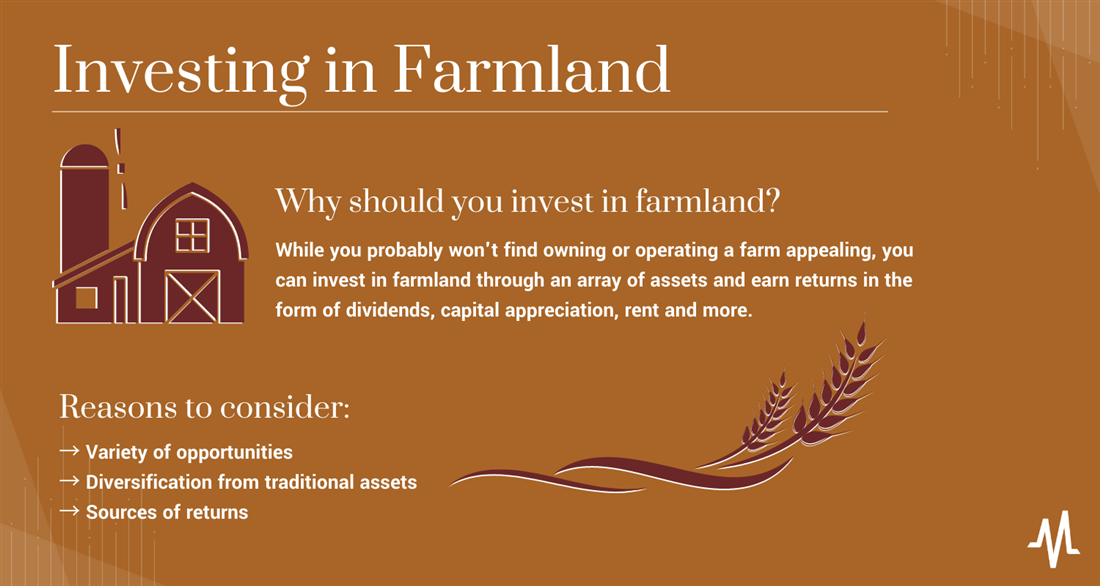
How do you invest in farmland? The answer might be easier than you think. Farmland isn't high on the list of sectors that come to mind when considering investing, but farms provide essential services. And not only do they supply us with food, but they also offer investment opportunities for those who know where to look. This article will discuss how farms fit into public markets and name seven ways to invest in this industry. Reasons to Invest in FarmlandWhy invest in farmland? While you probably won't find owning or operating a farm appealing, you can invest in farmland through an array of assets and earn returns in the form of dividends, capital appreciation, rent and more. Here are a few reasons to consider investing in farmland:
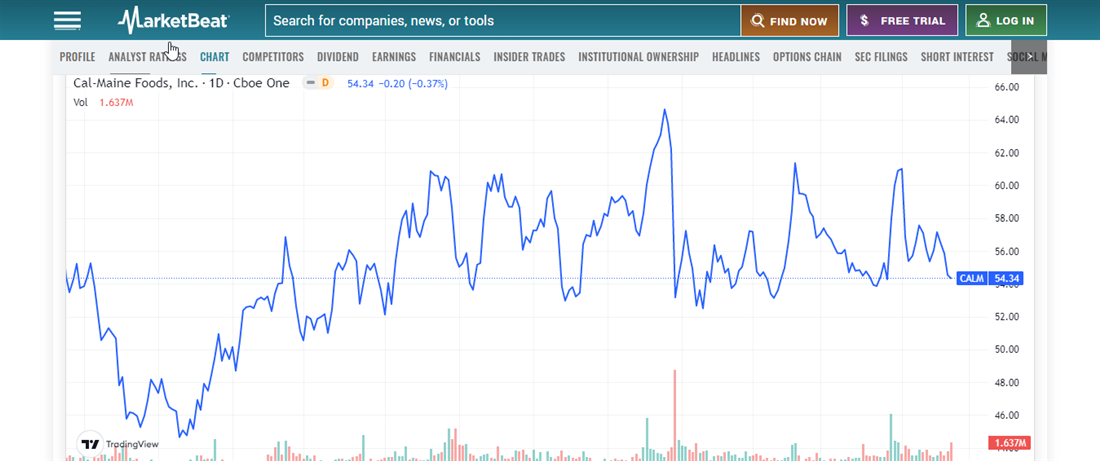
Overview of FarmlandFarms are crucial because they grow many precious commodities we use daily for food, drinks and clothing. In addition, farmland is a valuable asset since land is scarce, and farms provide a service that everyone needs for survival in one way or another. Farms operate by raising various crops and animals or focusing on a single commodity like wheat, corn or cotton. Farming is often considered the oldest industry in human history, with origins dating back to 11,000 B.C. Today, farming companies reside in the agriculture sector, and advances in equipment and technology have made the process more efficient than ever. But farming is still hard work, and maintaining the food supply requires the involvement of many different organizations, including local, state and federal government agencies. 7 Ways to Invest in FarmlandNow let's get into the specifics of how to invest in farmland. Fortunately, several ways exist to access farms and the farmland sector without buying one. Not only do plenty of traditional securities provide exposure to farms and land-owning companies, but alternative investment options exist as well. Here are seven different ways for investors to buy the farm (literally). Farming StocksMany farms that grow our crops, cull our livestock and provide food to our tables every evening are publicly-traded companies with stocks on major exchanges. You can choose which type of farm to invest in based on their ownership or the type of crop, livestock or commodity they produce. For example, Cal-Maine Foods Inc. (NASDAQ: CALM) cultivates soft shell eggs through its farms and hatcheries and sells them to grocery stores, wholesale clubs and other distributors. Want to know how to invest in Canadian farmland? Look at Nutrien Ltd. (NYSE: NTR), a Saskatoon-based plant nutrient company.
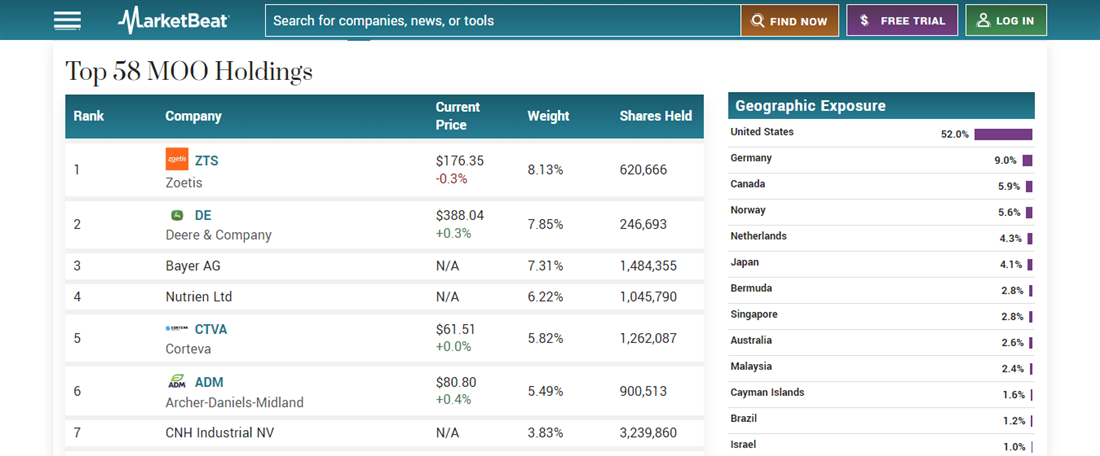
Looking for new startups? You could consider Kalera Public Co. (NASDAQ: KAL), a small-cap indoor farming company building proprietary hydroponic systems. Stocks that Make Farming Equipment and ProductsThere's an old saying about the gold rush: the real money wasn't in looking for gold but in selling shovels to those trying to find it. While that's not a perfect analogy in this instance, investment opportunities also exist in the companies producing farm equipment and supplies. Some of the biggest companies in the farm equipment industry are Tractor Supply Co. (NASDAQ: TSCO), which sells everything from heavy equipment to boots and hats, land and lawncare giant Deere and Co. (NYSE: DE) and fertilizer producer Scott's Miracle-Gro Co. (NYSE: SMG). Commodities through Futures ContractsIf you want to avoid exposure to farms but instead the products they produce, the commodities futures market may hold what you're looking for. Of course, commodities trading is an advanced strategy since futures contracts require a specific account. Still, it allows investors to bet on the price of agricultural goods like wheat, corn, livestock and more without actually buying stock in a farming company. Just always be sure to consider the risks and rewards of futures trading before engaging. Agricultural ETFsWant to know how to invest in farmland ETFs? It's easy — you'll need a brokerage account and enough cash to buy a share of your ideal fund. Agricultural ETFs are usually structured in one of two ways: through commodities contracts or farming stocks. The largest commodities-based farmland ETF is the Invesco DB Agriculture Fund (NYSE: DBA), and the biggest ETF holding farm (and farm equipment) stocks is the VanEck Agribusiness ETF (NYSE: MOO). In addition, farmland ETFs often pay dividends, giving investors two different ways to profit.
Crowdsourcing PlatformsCompanies like CrowdStreet and Fundrise allow retail investors to purchase a portion of a house, apartment building or other residential or commercial property and earn income through appreciation and rental payments. Many of these platforms are open to non-accredited investors, and you can make a minimum investment with just a few hundred dollars. So naturally, crowdsourcing has become a way to invest in physical farms and farmland without owning land or working the fields. If crowdsourcing sounds ideal for your farmland investing, you'll have a few different platforms to consider. For non-accredited investors, Steward and Harvest Returns are two options to consider. Steward specializes in debt-based deals; investors can get involved for as little as $100. Harvest Returns has equity and debt opportunities, but you'll need a $10,000 minimum to make your initial investment. If you fall into the accredited investor camp, your options increase. Some of the more popular platforms for accredited investors include:
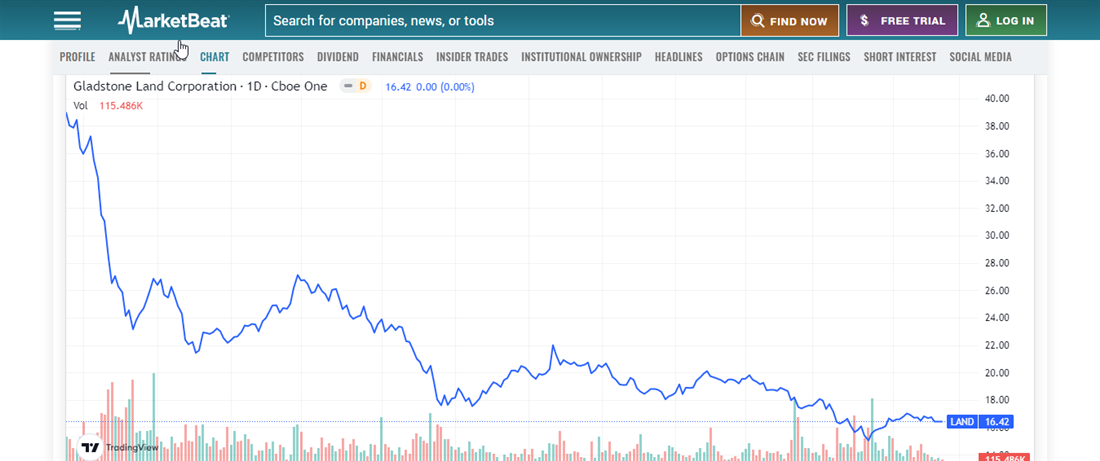
Farmland REITsReal estate investment trusts, or REITs, invest in different property types. One of the benefits of investing in REITs is that by law, 90% of taxable profits must be returned to shareholders via dividends. While most REITs invest in commercial or residential real estate, a few own and lease farmland across the United States. One of the largest farmland REITs is Gladstone Land Corp. (NASDAQ: LAND), which has a market cap of nearly $600 million and owns farms in 15 states. Farmland Partners Inc. (NYSE: FPI) has a similar market cap and focuses on farms producing commodities like wheat, soybeans, corn and rice.
Support Local FarmsThis investment might not put any cash in your pocket, but supporting local farms helps keep food sources diverse and provides stability (and jobs!) in your towns and neighborhoods. Supporting local farms means the food on your table doesn't need to travel across the country to reach your kitchen, which reduces environmental strain and gives you fresher and healthier eating choices. Besides, ears of corn taste better after you peel and husk them yourself. Pros and Cons of Investing in FarmlandWhat are the benefits and drawbacks of investing in farmland? Here are a few to consider before putting any capital at risk. ProsThe benefits of investing in farmland includes:
ConsOn the other hand, the downsides include:
Future of FarmlandFarming is a tricky business. The labor is complex, and the hours are long, but farming is necessary, and the future might bring a less strenuous lifestyle for those involved. Believe it or not, artificial intelligence and robotics advances can make a massive difference in the life of a farmer. Computer systems are designed to automate the environment for indoor crops, providing ideal conditions at all times. AI can gather data and better prepare crops for pests, drought and inclement weather. And robots can efficiently harvest crops, reducing the strain on the business's humans. Farmland is a unique asset that provides a form of portfolio diversity disconnected from traditional asset classes like stocks, bonds and real estate. In fact, according to FarmTogether, farmland is more correlated with the Consumer Price Index (CPI) than the S&P 500 or 10-year Treasury, providing a hedge against inflation. Gain Exposure to Farmland Through a Variety of Sources and Asset ClassesFarmland investments can span a range of assets and risk levels. You won't need to plant seeds, till fields or harvest crops to benefit from the farming industry, although owning a farm offers plenty of tax breaks if you think you're about that lifestyle. But for most of us, investing in farmland is about diversifying our portfolios away from the lockstep movement of traditional stocks and bonds. And even better if we can beat the S&P 500 along the way. However, before investing in farmland, consider your long-term plans and how this industry could fit into them. Farming is a need that won't go away as populations expand and land grows more scarce. FAQsWant to know more about how to invest in farmland? Here are a few commonly asked questions. Can you invest in farmland?Yes, you can invest through publicly-traded farms, farm equipment and supply producers, agricultural ETFs, commodities futures contracts, REITs or crowdfunded real estate platforms. Which farmland stock is best?Farmland stocks cover a range of companies, so the best stock depends on the individual investors' risk tolerance and goals. Some investors prefer ETFs and REITs, while others may prefer large farms and equipment producers. Is there an ETF for farmland?While there's no specific ETF for investing in farmland, many ETFs hold farming companies and other agricultural stocks like the VanEck Agribusiness ETF (NYSE: MOO) or commodities futures contracts like the Invesco DB Agriculture Fund (NYSE: DBA). More NewsView More
Rocket Lab’s Big Rebound? Analysts Suggest the Dip's a Gift ↗
December 05, 2025
Via MarketBeat
Tickers
RKLB

Meta’s AI Moment? New SAM 3 Model Has Wall Street Turning Bullish ↗
December 05, 2025

Snowflake Stock: The Dip That Smart Investors Are Buying Right Now ↗
December 05, 2025
Via MarketBeat

Via MarketBeat
Tickers
KRKNF

Via MarketBeat
Recent QuotesView More
Stock Quote API & Stock News API supplied by www.cloudquote.io
Quotes delayed at least 20 minutes. By accessing this page, you agree to the Privacy Policy and Terms Of Service.
© 2025 FinancialContent. All rights reserved.
|