The Fed's Pivot: Market Braces for Rate Cuts Amidst Shifting Economic Tides
By:
MarketMinute
December 03, 2025 at 11:34 AM EST
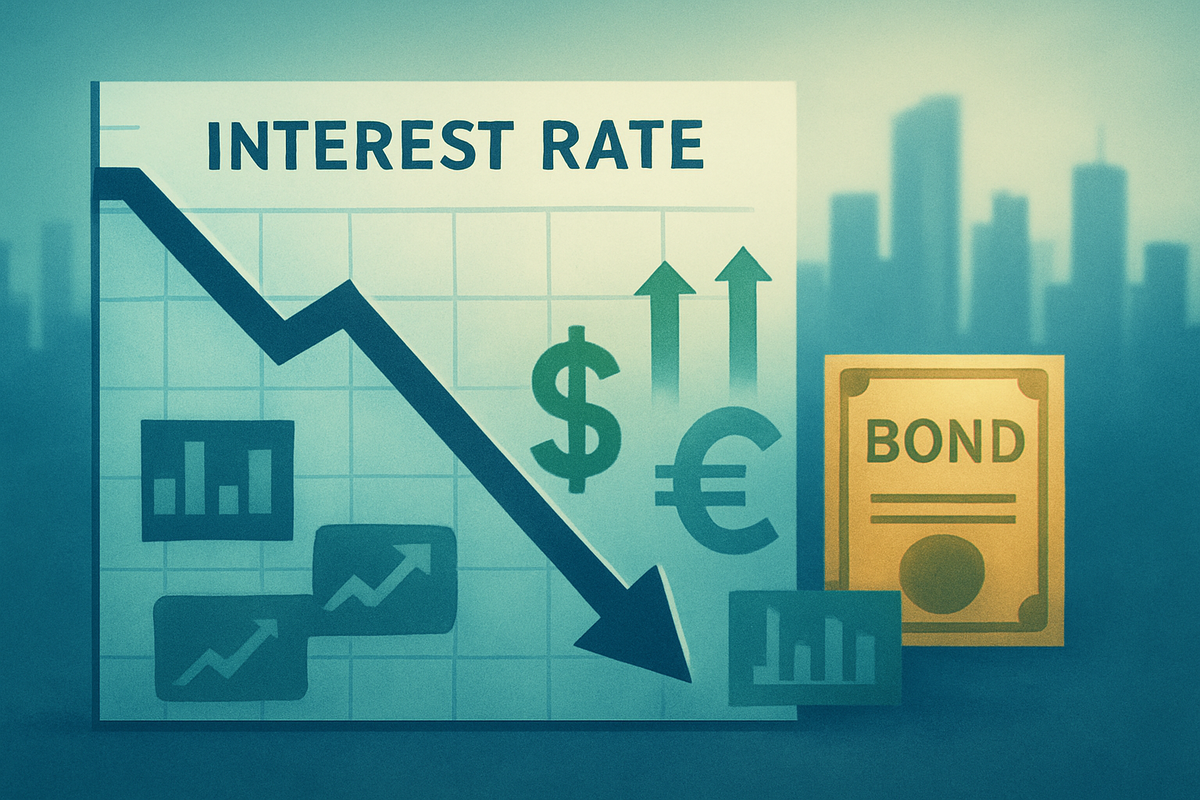
The financial markets are abuzz with heightened anticipation for a Federal Reserve interest rate cut, with probabilities for a 25-basis-point reduction at the upcoming December 9-10 Federal Open Market Committee (FOMC) meeting reaching as high as 96%. This widespread expectation marks a significant shift in monetary policy sentiment, driven by a confluence of cooling labor markets, inflation nearing target, and increasingly dovish commentary from key Fed officials. The immediate implications for financial markets are profound, signaling a potential boost for equities, a likely weakening of the U.S. dollar, and a re-evaluation of strategies across asset classes as borrowing costs are set to decline. Detailed Coverage: The Road to EasingThe journey to the current market consensus on a Federal Reserve interest rate cut has been a dynamic one, marked by shifting economic data and carefully calibrated communications from the central bank. The discussions leading to this moment have primarily revolved around the Fed's dual mandate: achieving maximum employment and stable prices. Throughout late 2024 and 2025, a series of economic reports began to paint a picture of a moderating economy. While early 2025 saw the Federal Reserve (FED) hold rates steady, following three cuts in late 2024, the narrative quickly evolved. Key events include the FOMC signaling a potential cutting cycle as early as July 2024, followed by an actual 25 basis point cut in September 2024. However, an unexpectedly strong Non-Farm Payroll report that same month tempered expectations for rapid easing. By December 2024, the FOMC had cut rates again but projected fewer cuts for 2025, indicating a "higher for longer" stance. The turning point towards the current strong anticipation for a December 2025 cut gained significant momentum in recent months. Weaker economic reports in November 2025, coupled with increasingly dovish commentary from influential Fed officials, solidified market sentiment. New York Fed President John Williams, for instance, indicated that rate cuts could occur "soon" without jeopardizing inflation targets. Fed Governor Christopher Waller also contributed to this more accommodative outlook. These statements, alongside evidence of a weakening U.S. job market—including softer employment data, slowing wage growth, and declining consumer confidence—have collectively bolstered expectations for monetary easing. Furthermore, economic indicators suggest that inflation is now approaching the Fed's 2% target, especially when excluding the effects of tariffs. The Fed's decision to stop running off its $6.6 trillion balance sheet at the start of December is also expected to inject more liquidity. The key players in this decision-making process are the 12 members of the Federal Open Market Committee (FOMC), comprising the seven members of the Board of Governors, the President of the Federal Reserve Bank of New York (John C. Williams), and four rotating Federal Reserve Bank presidents. Federal Reserve Chair Jerome Powell remains the most influential voice, whose statements are meticulously dissected by markets. While Powell has previously cautioned that a December cut was "not a foregone conclusion," his overall stance has emphasized data dependence and a willingness to act preemptively, as seen in his characterization of the September 2025 cut as a "risk-management" move. Initial market reactions to these discussions have been immediate and often volatile, with dovish signals typically leading to rallies in equity markets and declines in U.S. Treasury yields, while hawkish comments can cause reversals. Company Winners and Losers from Rate CutsA Federal Reserve interest rate cut is a powerful economic catalyst, creating distinct winners and losers among public companies and across various sectors. The overarching goal of lower rates is to stimulate borrowing, investment, and consumer spending, which can significantly alter the competitive landscape and profitability metrics. Winners:
Losers (or less beneficiaries):
In essence, rate cuts generally improve profitability by reducing interest expenses and boosting revenue through stimulated demand. They enhance growth prospects by making capital more accessible for investment and expansion. For stock performance, lower rates typically lead to higher valuations as future earnings are discounted at a lower rate, making equities more attractive compared to fixed-income alternatives. Wider Significance: Ripple Effects and Historical ContextA potential Federal Reserve interest rate cut is far more than a technical adjustment; it's a strategic maneuver with widespread implications that reverberate across broader industry trends, the global economic landscape, and regulatory frameworks, often drawing parallels to historical precedents. This anticipated easing cycle fits into a broader trend of central banks attempting to navigate a "soft landing"—a delicate balance of taming inflation without plunging the economy into a deep recession. The Fed's move is largely a response to evolving economic data, including a cooling labor market and inflation nearing target, suggesting a shift from aggressive inflation fighting to supporting economic growth. However, this comes at a time when inflation, partly due to new tariff policies, remains a concern, highlighting the complexity of monetary policy in the current environment. The ripple effects of a rate cut are extensive. For competitors, cheaper borrowing costs can intensify rivalry. New entrants might find it easier to secure capital, while established businesses may expand aggressively, potentially leading to increased M&A activity and consolidation pressures. This could force companies to innovate or find efficiencies to maintain their competitive edge. Partners could also see shifts. A company benefiting from lower rates might invest more in R&D or technology, creating new opportunities for their suppliers and service providers. Globally, a weaker U.S. dollar—a common consequence of rate cuts—can make U.S. exports more competitive, benefiting foreign partners who import American goods or services, while making imports more expensive for U.S. businesses. The overall economic landscape experiences profound changes. Lower borrowing costs directly impact mortgages, personal loans, and business credit, making them more affordable and stimulating consumer spending and business investment. This can boost housing demand and fuel capital expenditures. However, the risk of reigniting inflation persists if the stimulus is too strong or prolonged. Asset prices are significantly affected: the stock market often rallies, bond prices appreciate (especially long-term), and real estate becomes more accessible. Gold, a non-yielding asset, typically benefits from lower rates and a weaker dollar. Currency valuations also shift, with the U.S. dollar generally weakening, which can aid U.S. export competitiveness and ease debt burdens for emerging markets with dollar-denominated debt. From a regulatory and policy perspective, Fed rate cuts are a core tool to manage the economy, but they come with inherent challenges. The Fed must carefully balance stimulating growth with controlling inflation. Historically, sustained low rates have led to concerns about asset bubbles and, as seen in the post-COVID period, the risk of inflation. The unprecedented scale of the Fed's balance sheet in recent times adds a unique layer of complexity, making monetary normalization an experimental process with potential for market distortions. Aggressive cuts can also raise concerns about currency debasement and global financial stability. Financial institutions are urged to strengthen risk management and diversify revenue streams to mitigate the impact of narrower interest margins. Historical precedents offer valuable context. The Fed aggressively cut rates during the early 2000s recession, the 2007-2008 financial crisis, and the COVID-19 pandemic. However, not all cuts signal a recession; "mid-cycle adjustments" or "insurance cuts," like those in 1995-1996, 1998, and 2019, were aimed at preventing economic harm during periods of uncertainty. The anticipated cuts in late 2024 and 2025 are largely seen as such "risk management" moves. The key takeaway from history is that the market's reaction heavily depends on the reason for the cut. While historical patterns provide guidance, the current environment, particularly with the Fed's expanded balance sheet, presents unique challenges and requires careful monitoring. What Comes Next: Navigating the New Monetary LandscapeFollowing a potential Federal Reserve interest rate cut, the economic and market landscape will enter a new phase, presenting both short-term adjustments and long-term strategic considerations for businesses and investors. In the short-term (3-12 months), we can expect an immediate reduction in borrowing costs for consumers and businesses, particularly those with variable-rate loans. This will likely lead to an uptick in refinancing activity and potentially stimulate consumer spending on big-ticket items. The stock market is typically poised for a boost, with lower rates reducing corporate borrowing costs and making equities more attractive. Growth stocks, especially in the technology sector, tend to benefit significantly from lower discount rates. The bond market will likely see existing bonds appreciate in value, while new issues carry lower yields. Concurrently, the U.S. dollar is expected to weaken as interest rate differentials shift. For the long-term (12+ months), successful rate cuts could foster sustained economic growth, driven by increased investment, job creation, and wage growth. However, a risk of inflationary pressures re-emerging exists if the easing is too aggressive. The housing market could see a resurgence as affordability improves, though structural issues may temper the pace. A potential challenge is the risk of increased indebtedness if cheap credit leads to excessive borrowing. Strategic pivots and adaptations will be crucial. Businesses should proactively assess refinancing opportunities for existing debt and consider new borrowing for strategic investments in expansion, technology, or R&D. Enhanced cash flow from lower interest payments can be reallocated to operations, marketing, or strengthening financial reserves. Businesses that rely on interest income, such as certain financial institutions, may need to diversify revenue streams. Investors should consider reallocating portfolios away from cash, which will offer diminished yields. In fixed income, short-to-intermediate duration bonds might offer a good balance, and extending duration modestly could lock in higher income. For equities, a focus on growth stocks, particularly large-cap technology firms, and rate-sensitive sectors like real estate and consumer discretionary, could prove beneficial. A weaker dollar also makes international equities and emerging market assets more appealing. Alternative investments like gold and cryptocurrencies may also serve as diversifiers. Potential market opportunities include a revitalized housing sector, continued strength in technology and growth stocks, and increased consumer spending. Challenges include the risk of inflation resurgence, reduced returns for savers, and potential pressure on bank net interest margins. Market volatility is also a persistent concern, particularly around Fed announcements. Several scenarios and outcomes are possible:
Navigating these possibilities requires agility and a data-driven approach, constantly monitoring economic signals and Fed communications. Comprehensive Wrap-up: A Market in TransitionThe market's fervent anticipation of a Federal Reserve interest rate cut marks a pivotal moment in the current economic cycle, signaling a significant shift in monetary policy towards easing. The key takeaways underscore a central bank responding to a cooling labor market and inflation gradually moving towards its 2% target, employing "risk management" cuts to ensure a soft landing for the U.S. economy. This collective sentiment has been shaped by dovish commentary from Fed officials and a consistent stream of economic data. Moving forward, the market is poised for a nuanced reaction. Equities, particularly large-cap growth stocks and rate-sensitive sectors like real estate and consumer discretionary, are expected to benefit from lower borrowing costs and enhanced valuations. The bond market will see adjustments, with money market and savings yields declining, while existing bonds may appreciate. The U.S. dollar is likely to face downward pressure, potentially boosting international equities and commodity prices, including gold and cryptocurrencies. The prevailing assessment suggests the U.S. economy is on track for a soft landing, avoiding a full-blown recession, supported by accommodative monetary policy and healthy balance sheets. For investors, the coming months will demand vigilance and strategic adaptation. Close attention to Federal Reserve communications—FOMC statements, minutes, and speeches from key officials—will be paramount for discerning the pace and extent of future rate adjustments. Equally critical is monitoring key economic indicators, particularly labor market data (job growth, unemployment, wage inflation), inflation readings (especially core PCE), and broader economic growth figures. External factors such as global economic conditions, trade policies, and fiscal initiatives will also play a significant role in shaping the Fed's outlook. By meticulously tracking these elements, investors can better position their portfolios to navigate the evolving monetary landscape, capitalize on emerging opportunities, and mitigate potential challenges in what promises to be an active period for financial markets. This content is intended for informational purposes only and is not financial advice More NewsView More
Broadcom Stock Crashes 20%—But Wall Street Sees It Soaring to $500 ↗
December 18, 2025
Via MarketBeat

Forget the Chips: 4 Industrial Plays for the AI Rebound ↗
December 18, 2025

MongoDB Could Hit Record Highs—But You’ll Need to Move Fast ↗
December 18, 2025
Via MarketBeat
Tickers
MDB

Dollar General's Turnaround Could Send the Stock Higher in 2026 ↗
December 18, 2025
Via MarketBeat
Tickers
DG

Don’t Bet Against AppLovin: The Case Against the Shorts ↗
December 18, 2025
Via MarketBeat
Tickers
APP
Recent QuotesView More
Stock Quote API & Stock News API supplied by www.cloudquote.io
Quotes delayed at least 20 minutes. By accessing this page, you agree to the Privacy Policy and Terms Of Service.
© 2025 FinancialContent. All rights reserved.
|