Oracle Corporation (ORCL): Navigating the AI Cloud Frontier – A Deep Dive
By:
PredictStreet
December 10, 2025 at 10:50 AM EST
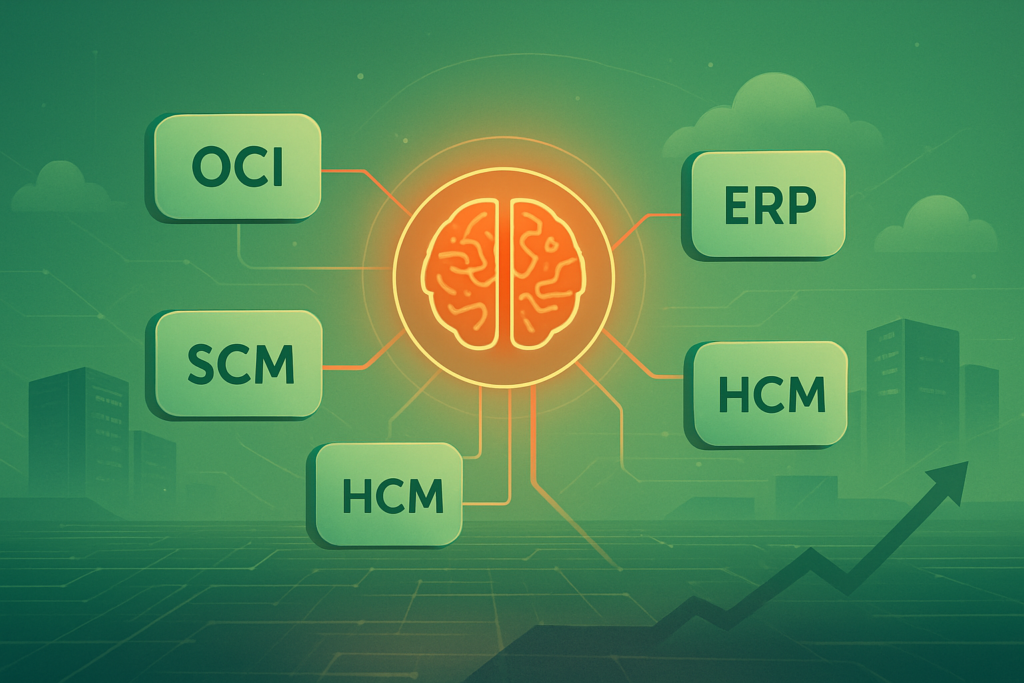
Date: 12/10/2025 1. IntroductionOracle Corporation (NYSE: ORCL) stands as a prominent American multinational technology company, headquartered in Austin, Texas, with a planned future move to Nashville, Tennessee. Co-founded in 1977 by Larry Ellison, Bob Miner, and Ed Oates, Oracle has grown to become one of the world's largest software and hardware companies. As of December 2025, Oracle ranks among the top 20 largest companies globally by market capitalization, holding the 17th position with a market cap of $631.53 billion USD. Oracle's foundational business is its renowned relational database management system, Oracle Database, which revolutionized data storage and retrieval for businesses. Over its nearly five-decade history, the company has significantly expanded its portfolio beyond database software to include a comprehensive suite of enterprise software products and cloud computing solutions. Key offerings include:
Oracle is currently a significant point of focus in the technology sector due to several strategic shifts and major developments:
Oracle's current relevance in the technology sector is multifaceted, reflecting its transformation and strategic positioning:
2. Historical BackgroundOracle Corporation, a global technology giant, has a rich history marked by pioneering database technology, aggressive strategic acquisitions, and a significant transformation into a leading cloud and artificial intelligence (AI) provider. Founding StoryOracle Corporation was founded on June 16, 1977, in Santa Clara, California, by Larry Ellison, Bob Miner, and Ed Oates. Initially named Software Development Laboratories (SDL), the trio, who had previously worked together at Ampex Corporation, were inspired by a 1970 research paper by British computer scientist Edgar F. Codd that outlined the relational database model. Ellison, particularly influenced by reading about IBM's System R database, recognized the immense commercial potential of relational databases for efficient data storage and retrieval. Starting with an initial capital of approximately $2,000 (with Ellison contributing the majority), they set out to develop and market a program based on Codd's theory. Their first customer was the U.S. Air Force, for whom they worked on a project code-named "Oracle." This project name would later become synonymous with their flagship product and the company itself. Early MilestonesThe company's early years were characterized by rapid development and market penetration:
Key Transformations Over Time (Up to 12/10/2025)Oracle's history is a continuous narrative of adaptation and strategic shifts, driven by technological evolution and market demands:
3. Business ModelOracle Corporation (ORCL), as of December 10, 2025, operates a robust and evolving business model primarily centered around its expansive cloud offerings, enterprise software, and hardware, with a significant strategic pivot towards artificial intelligence (AI) and cloud infrastructure. The company's financial performance in fiscal year 2025 and early fiscal year 2026 demonstrates this strategic shift, with cloud services being the dominant growth driver. 1. Revenue SourcesOracle's revenue streams are primarily categorized into three segments: Cloud and License Business, Hardware Business, and Services Business. The company has seen substantial growth in its cloud revenue, indicating a successful transition to a cloud-first strategy. For fiscal year 2025 (ended May 31, 2025):
In Q1 fiscal year 2026 (ended August 31, 2025), Oracle continued its strong cloud momentum:
2. Product LinesOracle offers a comprehensive portfolio of integrated cloud applications, infrastructure services, and database technologies. Their product lines are heavily influenced by the strategic shift to cloud and AI. Key product categories include:
3. ServicesOracle provides a comprehensive range of services to support its product offerings and assist customers in their digital transformation journeys.
4. SegmentsOracle reports its operations across three primary segments:
5. Customer BaseOracle's customer base is global and diverse, primarily consisting of large enterprises, government agencies, and mid-sized businesses across various industries.
In summary, Oracle Corporation's business model as of December 2025 is characterized by an aggressive and successful transition to cloud services and AI infrastructure, driving substantial revenue growth in these areas. While traditional hardware and services segments have seen some declines, the overwhelming focus on cloud, strategic investments in data centers, and the integration of AI across its product lines position Oracle as a significant player in the evolving enterprise technology landscape. 4. Stock Performance OverviewOracle Corporation (NYSE: ORCL) has demonstrated robust stock performance across 1-year, 5-year, and 10-year horizons as of December 10, 2025, significantly driven by its strategic pivot to cloud computing and recent advancements in artificial intelligence (AI). 1-Year Horizon (December 2024 – December 2025)As of December 9, 2025, Oracle's stock has delivered a return of approximately 16.32% over the past 12 months. The 52-week trading range for ORCL has been between $118.86 and $345.72. The stock reached an all-time high of $345.72 on September 10, 2025. Notable Price Movements and Key Drivers (1-Year):
Key Drivers: The primary catalysts for Oracle's performance in the past year have been the surging demand for its Oracle Cloud Infrastructure (OCI) and AI infrastructure services. The company secured massive new partnerships with major technology companies like OpenAI, xAI, Meta Platforms, NVIDIA, and AMD, reinforcing its position in the AI ecosystem. Oracle's aggressive capital expenditures, projected at $16 billion for FY2025, underscore its commitment to expanding data center capacity to meet this demand. Comparison to Benchmarks (1-Year):
5-Year Horizon (December 2020 – December 2025)Oracle's stock has achieved a substantial total return of 300.53% over the past five years (as of December 8, 2025). This means an investment of $1,000 in ORCL five years ago would be worth $4,005.30 today. Notable Price Movements and Key Drivers (5-Year):
Comparison to Benchmarks (5-Year): 10-Year Horizon (December 2015 – December 2025)While a direct cumulative 10-year total return for ORCL wasn't immediately available, we can infer its strong performance from annual data. Oracle has been steadily growing, with significant yearly returns, including 33.66% in 2025, 59.99% in 2024, 30.94% in 2023, 36.89% in 2021, and 24.24% in 2020. Key Drivers (10-Year):
Comparison to Benchmarks (10-Year):
In conclusion, Oracle Corporation's stock performance over the 1-year, 5-year, and 10-year horizons leading up to December 10, 2025, reflects a company successfully navigating a significant business transformation. Its aggressive pivot to cloud infrastructure and applications, strategic acquisitions (notably Cerner), and recent strong positioning in the burgeoning AI market have been the primary drivers of its substantial stock appreciation, often outpacing broader market benchmarks. While the stock has experienced short-term volatility due to earnings reports and broader market sentiment, its long-term trajectory has been upward, fueled by sustained cloud and AI demand. 5. Financial PerformanceOracle Corporation (ORCL) has demonstrated robust financial performance driven by its expanding cloud business, particularly its Oracle Cloud Infrastructure (OCI). As of December 10, 2025, the company has recently reported its Q1 Fiscal Year 2026 results, and investors are awaiting the Q2 Fiscal Year 2026 earnings announcement expected after market close on this date. Here's an analysis of Oracle's financial performance based on the latest available reports and current expectations: Latest Earnings (Q1 Fiscal Year 2026 – Reported September 9, 2025):
Full Fiscal Year 2025 Performance (Ended May 31, 2025 – Reported June 11, 2025):
Q2 Fiscal Year 2026 Expectations (Reporting December 10, 2025, after market close): Analysts project Oracle to report Q2 FY2026 revenues of approximately $16.2 billion to $16.3 billion, representing a 15-16% year-over-year increase. Non-GAAP EPS is estimated to be around $1.61-$1.65. Cloud Infrastructure (OCI) growth is anticipated to be between 67-75%, driving overall cloud revenue significantly higher. Revenue Growth: Oracle's revenue growth is largely propelled by its cloud segments. For the twelve months ending August 31, 2025, Oracle's revenue was $59.018 billion, a 9.67% increase year-over-year. Annual revenue for FY2025 was $57.399 billion, an 8.38% increase from 2024. The company's CEO, Safra Catz, expects total cloud growth to increase from 24% in FY2025 to over 40% in FY2026, with Cloud Infrastructure growth projected to rise from 50% to over 70% in FY2026. Oracle's Remaining Performance Obligations (RPO) of $455 billion as of Q1 FY2026 provides strong visibility into future revenue. Margins:
Debt: Oracle's debt levels have become a significant focus for investors due to aggressive investments in AI infrastructure.
Cash Flow:
Key Valuation Metrics (as of late 2025):
In summary, Oracle is undergoing a significant transformation, heavily investing in its cloud and AI infrastructure to capitalize on the growing demand. While this strategy is driving substantial revenue growth, particularly in OCI, it has led to a considerable increase in debt and negative free cash flow in the short term. The company's valuation metrics reflect both its premium positioning in the cloud market and investor scrutiny regarding its leverage and capital expenditure strategy. The upcoming Q2 FY2026 earnings report on December 10, 2025, will be closely watched for further insights into OCI growth, RPO expansion, and cash flow management. 6. Leadership and ManagementOracle Corporation, as of December 10, 2025, is undergoing a significant leadership transition and is strategically focused on solidifying its position in the cloud computing and artificial intelligence (AI) markets. The company has implemented a co-CEO structure, made key executive appointments, and is directing substantial investments towards its AI and cloud initiatives, while maintaining a moderate governance reputation. CEO and Leadership TeamOracle Corporation announced a major shift in its executive leadership on September 22, 2025, appointing Clayton Magouyrk and Michael Sicilia as co-Chief Executive Officers. They have also joined the company's Board of Directors.
Safra Catz, who had been Oracle's CEO since 2014, has transitioned to the role of Executive Vice Chair of the Board and remains a director. Larry Ellison, co-founder of Oracle, continues to serve as Executive Chairman of the Board and Chief Technology Officer (CTO). Further strengthening the leadership team, Douglas Kehring was promoted to Executive Vice President and Principal Financial Officer on September 22, 2025. Mark Hura was named President, Global Field Operations. Other notable executives include Stuart Levey (Executive Vice President & Chief Legal Officer), Jae Evans (Global Chief Information Officer & Executive Vice President), Steve Miranda (Executive Vice President, Oracle Applications Development), Juan Loaiza (Executive Vice President, Oracle Database Technologies), and Seema Verma (Executive Vice President & General Manager, Oracle Health and Life Sciences). Board of DirectorsAs of December 2025, Oracle's Board of Directors features a mix of long-standing leaders and newly appointed executives. Key members include:
The board comprises 14 voting members. The separation of the Chair and CEO roles is in place, and all members of the Audit Committee are independent. The board also maintains a majority of independent members. The average age of directors is 70 years, with an average tenure of 16.9 years for shareholder-elected members. Strategic DirectionOracle's strategic direction is firmly anchored in cloud computing, artificial intelligence, and a multi-cloud ecosystem. Key strategic pillars include:
The shift to co-CEOs Magouyrk (infrastructure) and Sicilia (AI) underscores Oracle's strategic emphasis on AI-driven cloud expansion. The company made a substantial capital expenditure of $21.2 billion in fiscal 2025, primarily for building out data center capacity, reflecting a deliberate long-term strategy for market dominance in enterprise cloud and AI. Governance ReputationOracle's corporate governance has seen notable changes with the separation of the CEO and Chairman roles, a move that some analysts suggest could enhance board independence and mitigate risks associated with concentrated power. At its 2024 Annual Meeting in November, shareholders approved the nominated directors and executive compensation, indicating general support for the company's leadership and pay structure. However, a shareholder proposal concerning climate risks to retirement plan beneficiaries did not pass, suggesting that this particular issue may not be a top priority for the majority of shareholders at this time. In terms of Environmental, Social, and Governance (ESG) performance, as of May 26, 2025, S&P Global assigned Oracle an ESG Score of 38 and a CSA Score of 33 within the "SOF Software" industry. Sustainalytics, as of September 3, 2025, categorized Oracle with a "Medium" ESG Risk Rating. A general ESG rating from "The Impact Investor" showed an overall ESG score of 60/100, with Environmental at 20/100, Social at 25/100, and Governance at 35/100. S&P Global Ratings, on September 24, 2025, affirmed Oracle's 'BBB' long-term issuer credit rating but maintained a negative outlook. This reflects the expectation of a widening free operating cash flow deficit over the next two to three years due to the company's aggressive capital spending on AI infrastructure. While this strategy carries credit risk, the potential success of OCI could enhance Oracle's competitive standing in the long term. 7. Products, Services, and InnovationsOracle Corporation (ORCL) continues to solidify its position as a leading enterprise technology provider as of December 10, 2025, with a strong focus on cloud computing, artificial intelligence (AI), and industry-specific solutions. The company's strategy emphasizes a comprehensive product portfolio, significant R&D investments in AI, a growing patent estate, and a competitive edge derived from its integrated cloud infrastructure and strategic partnerships. Current Product OfferingsOracle's current product portfolio spans a broad range of enterprise needs, with a clear emphasis on cloud-based solutions and the pervasive integration of AI. 1. Oracle Cloud Infrastructure (OCI): OCI is the bedrock of Oracle's cloud strategy, offering a comprehensive suite of over 200 cloud and AI services. It is designed to handle diverse workloads, from traditional enterprise applications to demanding AI training and inference. Key OCI offerings include:
2. Oracle Database: As its foundational product, the Oracle Database remains central to the company's offerings, continually evolving with new capabilities:
3. Oracle Fusion Cloud Applications: A suite of cloud-based enterprise applications designed to support various business functions, deeply integrated with AI capabilities:
4. Oracle Health: Following the acquisition of Cerner, Oracle Health is a major focus, with plans to modernize healthcare through AI and data analytics:
Innovation Pipelines and Research and Development (R&D) EffortsOracle's innovation and R&D are heavily geared towards AI and cloud technologies, with a vision that by 2025, all applications will incorporate AI.
PatentsOracle holds a substantial intellectual property portfolio, with over 31,000 patent assets globally as of June 2025, covering enterprise computing, automation, and AI infrastructure. Recent granted patents and published applications (late 2024 and 2025) demonstrate ongoing innovation in critical areas:
Competitive EdgeOracle's competitive edge in 2025 is multifaceted, stemming from its strategic focus on cloud, AI, and its extensive enterprise customer base:
While competing with established players like SAP in ERP and SCM, and other hyperscalers like AWS, Azure, and Google Cloud in the cloud market, Oracle's strategic investments in AI, its distributed and multicloud strategy, and its robust database offerings position it as a formidable force in the enterprise technology landscape. The company's financial performance in fiscal 2025 highlights significant growth in its cloud and license segment, which accounted for 86% of total revenues. 8. Competitive LandscapeOracle Corporation (NYSE: ORCL) continues to be a formidable presence in the enterprise technology landscape as of December 10, 2025, maintaining strong positions in its core database business while aggressively expanding its cloud and enterprise application offerings. The company faces intense competition across all segments from both established tech giants and agile, cloud-native players. Overall Competitive LandscapeOracle's primary competitors are a mix of hyperscale cloud providers, traditional enterprise software vendors, and niche database or application specialists. Key rivals include Amazon Web Services (AWS), Microsoft Azure, Google Cloud Platform (GCP) in the cloud space, SAP and Salesforce in enterprise applications, and various database vendors. Oracle's overall revenue reached $57.40 billion in 2025, and it ranks 66th on the Forbes Global 2000. Main Business Segments Analysis1. Cloud (Oracle Cloud Infrastructure – OCI)Key Rivals: Amazon Web Services (AWS), Microsoft Azure, Google Cloud Platform (GCP). Market Share: Competitive Strengths:
Competitive Weaknesses:
2. Enterprise Applications (ERP and CRM)Key Rivals: SAP, Salesforce, Microsoft (Dynamics 365), Adobe, HubSpot, Infor, Epicor, Sage. Market Share & Competitive Strengths (ERP):
Competitive Weaknesses (ERP):
Market Share & Competitive Strengths (CRM):
Competitive Weaknesses (CRM):
3. DatabaseKey Rivals: MySQL, PostgreSQL, Microsoft SQL Server, MongoDB, Snowflake, IBM Db2. Market Share: Competitive Strengths:
Competitive Weaknesses:
In conclusion, Oracle Corporation, as of late 2025, is actively transforming into an AI-driven cloud provider. While it continues to face strong competition from hyperscalers in the cloud market, its aggressive investments in AI infrastructure, strategic multi-cloud partnerships, and traditional strength in enterprise databases and applications position it for continued growth and innovation. The company's ability to maintain its leadership in core areas while rapidly expanding its cloud footprint will be crucial for its competitive standing in the coming years. 9. Industry and Market TrendsOracle Corporation (NYSE: ORCL) operates as a leading entity in the software infrastructure industry, providing a vast array of cloud software solutions, infrastructure technologies, hardware products, and consulting services worldwide. As of December 10, 2025, the company's trajectory is significantly shaped by robust sector-level trends, powerful macro drivers, evolving supply chain dynamics, and favorable cyclical effects within the technology market. Sector-Level Trends
Macro Drivers
Supply Chains
Cyclical Effects
In conclusion, Oracle Corporation as of December 2025 is operating within a dynamic and generally favorable market environment. The pervasive adoption of cloud computing, the transformative impact of AI across enterprise software and data management, and the ongoing digital transformation drive significant growth. While macroeconomic uncertainties and cybersecurity threats in complex supply chains present challenges, the overall outlook for IT spending and Oracle's strategic positioning within key growth areas suggest a strong and sustained period of expansion for the company. 10. Risks and ChallengesOracle Corporation (NYSE: ORCL) is navigating a complex landscape marked by significant opportunities in cloud and AI, alongside a range of operational, regulatory, and market risks, as of December 10, 2025. The company's aggressive pivot towards cloud infrastructure and AI has fueled substantial growth in its Remaining Performance Obligations (RPO), yet this strategy also introduces considerable challenges. Operational RisksOperational risks for Oracle primarily revolve around its ambitious cloud and AI expansion, cybersecurity, and supply chain resilience:
Regulatory RisksOracle faces regulatory scrutiny, particularly concerning data privacy and antitrust:
ControversiesOracle has been involved in several controversies, primarily related to its data practices and competitive strategies:
Market RisksOracle faces significant market risks stemming from intense competition, its capital-intensive AI strategy, and broader economic factors:
In conclusion, while Oracle is aggressively expanding its cloud and AI offerings, demonstrated by significant growth in OCI revenue and a massive RPO, these strategic moves come with heightened operational challenges related to infrastructure build-out and cybersecurity. Regulatory scrutiny over data privacy remains a concern, with recent lawsuits highlighting ongoing issues. Financially, the substantial capital expenditures and increasing debt to fund AI initiatives are a major market risk, leading to investor skepticism about profitability and stock valuation. 11. Opportunities and CatalystsOracle Corporation (NYSE: ORCL), as of December 10, 2025, is strategically positioned for growth, primarily driven by its aggressive expansion in cloud infrastructure and artificial intelligence (AI) initiatives. The company is actively pursuing several growth levers, new market opportunities, potential mergers and acquisitions (M&A), and near-term catalysts. Growth LeversOracle's growth is predominantly propelled by its Oracle Cloud Infrastructure (OCI), integrated AI capabilities, and its comprehensive suite of enterprise applications, with a strategic emphasis on the healthcare sector.
New Markets and Geographic ExpansionOracle is actively broadening its market presence both geographically and within emerging technological domains, with a particular focus on AI and distributed cloud services.
Potential Mergers and Acquisitions (M&A)Oracle has a long-standing history of strategic acquisitions to bolster its product offerings, accelerate innovation, and expand its market footprint. Its future M&A strategy is anticipated to maintain this trajectory, with a focus on cloud and AI technologies, consolidation within the enterprise software market, and expansion into new markets.
Near-Term Catalysts (as of 12/10/2025)Several near-term catalysts are poised to significantly influence Oracle's stock performance and growth trajectory.
In conclusion, Oracle is undergoing a profound transformation, evolving from a traditional database company into a prominent AI compute provider. Its robust cloud infrastructure, deep integration of AI across its product portfolio, strategic multicloud approach, and aggressive investments in data centers and partnerships are positioning it for sustained growth. Key near-term catalysts include its Q2 FY26 earnings report and the continued adoption of its new AI and cloud offerings. 12. Investor Sentiment and Analyst CoverageAs of December 10, 2025, Oracle Corporation (NYSE: ORCL) is experiencing a complex mix of investor sentiment, with Wall Street analysts largely maintaining optimistic ratings despite growing concerns about the company's financial leverage. Hedge funds show mixed activity, while institutional ownership remains significant. Retail investors, however, appear "extremely bullish" on the stock. Investor Sentiment Wall Street Analyst Ratings Several analysts have recently reaffirmed "Buy" or "Overweight" ratings, including Barclays, Bernstein, Deutsche Bank, Mizuho, and Citigroup, despite some lowering their price targets. For example, Barclays maintained an "Overweight" rating but adjusted its price target from $400 to $330 due to changing market conditions. Citigroup also maintained a "Buy" rating, lowering its target from $415 to $375. Analysts anticipate Oracle to report adjusted earnings per share (EPS) of $1.64 and revenue of $16.19 billion for Q2 FY26, reflecting significant year-over-year growth. Hedge Fund Activity Institutional Investor Movements Retail Investor Chatter 13. Regulatory, Policy, and Geopolitical FactorsOracle Corporation (NYSE: ORCL) is navigating a dynamic landscape of regulatory frameworks, shifting policy changes, government incentives, and complex geopolitical risks and opportunities as of December 10, 2025. The company's strategic focus on cloud computing and artificial intelligence (AI) places it at the nexus of many of these influencing factors. Regulatory FrameworksOracle operates within a multifaceted regulatory environment characterized by evolving data privacy laws, stringent AI export controls, and emerging cloud-specific regulations:
Policy ChangesGovernments worldwide are implementing policy changes that directly influence Oracle's operations and market opportunities:
Government IncentivesWhile direct incentives specifically for Oracle are not extensively detailed, several government actions create favorable conditions:
Geopolitical Risks and OpportunitiesThe current geopolitical climate presents both significant risks and strategic opportunities for Oracle:
In summary, Oracle Corporation, as of December 10, 2025, is strategically positioning itself to capitalize on the booming AI and cloud markets, particularly through significant government contracts and a focus on data sovereignty. However, it faces substantial challenges from restrictive AI export controls, intensified U.S.-China trade tensions, and growing antitrust scrutiny over major AI infrastructure collaborations. Navigating these regulatory and geopolitical headwinds while continuing its aggressive cloud and AI investments will be critical for Oracle's sustained growth and profitability. 14. Outlook and ScenariosOracle Corporation (ORCL) Outlook and Scenarios: Navigating the AI Cloud Frontier (As of December 10, 2025)Oracle Corporation (NYSE: ORCL) is in the midst of a profound transformation, strategically shifting its focus from a legacy enterprise software provider to a dominant force in cloud infrastructure and artificial intelligence (AI). As of December 10, 2025, the company's future outlook is largely dictated by its aggressive investments in Oracle Cloud Infrastructure (OCI), its burgeoning AI partnerships, and its ability to effectively manage capital expenditure and debt. Short-Term Outlook (Fiscal Year 2026)In the short term, Oracle is poised for robust growth, primarily fueled by its expanding cloud services. For the second quarter of fiscal year 2026 (Q2 FY26), Oracle is projected to report total revenue of approximately $16.2 billion, reflecting a 15-16% year-over-year increase, with adjusted earnings per share (EPS) estimated between $1.64 and $1.65. Oracle Cloud Infrastructure (IaaS) revenue is a significant driver, forecasted to grow over 70% in FY26, reaching around $18 billion, a substantial acceleration from 51% growth in FY25. Total cloud revenue, encompassing both infrastructure and applications, is expected to surge by over 40% in constant currency for fiscal year 2026, building on 24% growth in FY25. A critical metric for Oracle's short-term health is its Remaining Performance Obligations (RPO), which jumped by an impressive 359% year-over-year to $455 billion in Q1 FY26. This massive backlog is largely attributed to multi-billion dollar AI cloud deals, including a significant contract with OpenAI. However, investors are keenly watching the conversion rate of this backlog into recognized revenue, as it will be a key indicator of the company's operational efficiency. Analyst sentiment as of December 2025 generally ranges from "Moderate Buy" to "Buy," with an average price target between $320.84 and $346.60, suggesting considerable upside potential. Nevertheless, some analysts have adjusted their price targets downward due to prevailing market conditions and concerns regarding capital intensity. Long-Term Projections (Fiscal Year 2027 and Beyond)Oracle's long-term trajectory is inextricably linked to the success of its Cloud Infrastructure (OCI) and AI initiatives. The company anticipates OCI revenue to reach $34 billion by FY27, marking an 89% growth from FY26, and to further escalate to $129 billion by FY29. By FY2030, OCI revenue is projected to hit $166 billion, constituting over 70% of Oracle's total corporate revenue, with a compound annual growth rate (CAGR) of 75% through 2030. This ambitious growth positions OCI to rival the scale of Google Cloud by fiscal 2030. In terms of profitability, Oracle projects EPS of $6.03 for FY26, $6.85 for FY27, and a significant leap to $10.27 in FY29, eventually reaching $21.00 by FY2030. The company also expects its cash-flow conversion to exceed 100% of net income by 2028. Long-term stock price predictions for Oracle are bullish, with some models suggesting the stock could reach as high as $1,285 by 2030, driven by sustained growth in high-margin cloud services and AI-enabled offerings. Strategic PivotsOracle's strategic redirection is multifaceted, focusing on several key areas:
Bull Case ScenariosThe bull case for Oracle is predicated on several strong factors:
Bear Case ScenariosDespite the optimistic outlook, several challenges and risks constitute the bear case:
In summary, Oracle Corporation is at a pivotal point, aggressively pursuing a future defined by cloud infrastructure and AI. While the short term promises robust cloud growth, the long-term success hinges on the effective execution of its strategic pivots, efficient conversion of its substantial backlog, and successful navigation of the highly competitive and capital-intensive AI landscape. 15. ConclusionOracle Corporation (NYSE: ORCL) is positioned at a pivotal juncture as of December 10, 2025, demonstrating strong momentum in its cloud businesses, particularly Oracle Cloud Infrastructure (OCI), while simultaneously facing significant financial and execution risks tied to its ambitious AI-driven expansion. Summary of Key Findings: Oracle's financial performance has been robust, with its fiscal 2025 Q4 earnings surpassing analyst expectations in both revenue and adjusted earnings per share (EPS). The company reported $15.9 billion in revenue and an adjusted EPS of $1.70, driven largely by its cloud offerings. For fiscal year 2025, total revenues grew 8% to $57.4 billion, with cloud services and license support revenues increasing by 12% to $44.0 billion. Looking ahead, Oracle projects an optimistic outlook for fiscal year 2026, anticipating total cloud growth rates to exceed 40%, with Cloud Infrastructure (OCI) growth specifically projected to surpass 70%. Analysts are expecting the company to report its fiscal Q2 2026 earnings on December 10, 2025, with a consensus EPS forecast of $1.29. A significant driver of Oracle's recent and projected growth is its Oracle Cloud Infrastructure (OCI), which reported a 52% year-over-year revenue increase in Q2 FY2025. OCI's rapid expansion is heavily fueled by the "insatiable" demand for AI and generative AI workloads, with a reported 336% increase in GPU consumption. Oracle forecasts OCI revenue to reach approximately $18 billion in 2025, with a long-term projection of $144 billion by 2030. Key competitive advantages for OCI include its performance, competitive pricing, and multi-cloud strategy, which involves partnerships with major hyperscalers like Amazon Web Services (AWS), Microsoft Azure, and Google Cloud. The company has also unveiled a new AI supercomputer, underscoring its commitment to AI infrastructure. Oracle Fusion Cloud Applications are also integrating over 50 AI agents to enhance business processes. Beyond cloud and AI, Oracle's strategic acquisition of Cerner in 2022, now integrated as Oracle Health, aims to revolutionize the healthcare technology sector. This initiative focuses on digital transformation through cloud-based solutions, AI, and improved interoperability of electronic health record (EHR) systems. Oracle plans to launch a new AI-backed EHR in 2025, featuring voice navigation, search capabilities, and clinical AI agents to streamline documentation and workflows. Oracle maintains a shareholder-friendly capital allocation strategy. In September 2025, the company declared a quarterly cash dividend of $0.50 per share, sustaining an annual dividend of $2.00, marking its eleventh consecutive year of dividend increases. Additionally, Oracle executed $5.3 billion in share buybacks during fiscal year 2025, a notable increase from the previous year. However, recent quarterly buybacks (Q1 FY2026 ending August 2025) have shown a decrease to $95 million. Wall Street analysts generally hold a "Buy" or "Outperform" consensus rating for Oracle stock. The average price target ranges from approximately $334.52 to $346.11, suggesting a significant potential upside from current levels. Recent analyst updates in late 2025 have seen some price targets adjusted downward, yet many firms like Barclays, Citigroup, Deutsche Bank, and Bernstein continue to recommend "Buy" or "Strong Buy" ratings, citing the recent stock decline as an attractive entry point. Balanced Investment Perspective: Oracle's investment potential is primarily driven by its successful pivot to cloud computing, particularly the robust growth of OCI and its strategic emphasis on AI. The company's database heritage provides a strong foundation for its cloud offerings, attracting enterprises seeking performance and cost-efficiency. The substantial remaining performance obligations (RPO), which skyrocketed 359% year-over-year to $455 billion in the latest quarter, highlight strong customer commitments and future revenue visibility. The aggressive push into the healthcare sector through Oracle Health and its AI-backed EHR also presents a significant long-term growth avenue. However, a balanced perspective necessitates acknowledging considerable risks. A primary concern is Oracle's significant customer concentration with OpenAI, which accounts for approximately two-thirds of its nearly $500 billion in undelivered orders. Given OpenAI's current unprofitability, there are concerns regarding its ability to sustain payments on a five-year, $300 billion infrastructure leasing agreement that begins in 2027. This reliance introduces substantial counterparty risk. Furthermore, Oracle's ambitious AI infrastructure build-out necessitates massive capital expenditures, projected at $35 billion for fiscal 2026. The company has incurred substantial debt, exceeding $105 billion, to fund these investments. This "profound change in the company's capital posture" raises concerns about financial leverage, execution risk related to data center construction and GPU procurement, and potential strain on free cash flow, as evidenced by negative free cash flow in Q1 FY2026. Intense competition from other hyperscalers also remains a constant challenge. What Investors Should Watch: As of December 10, 2025, investors should closely monitor several key aspects:
In conclusion, Oracle Corporation presents a compelling growth story driven by its flourishing cloud business and ambitious AI initiatives. However, investors must weigh this potential against the significant risks associated with high capital expenditures, increasing debt, and particularly, the customer concentration risk with OpenAI. Close monitoring of these factors will be essential for assessing Oracle's long-term investment viability. This content is intended for informational purposes only and is not financial advice More NewsView More
ServiceNow’s $7 Billion Gamble: Panic or Opportunity? ↗
December 15, 2025
Via MarketBeat
Tickers
NOW

Dell and HP Are Raising Prices—And Investors Should Take Note ↗
December 15, 2025
Via MarketBeat

Why DLocal Is the Top Emerging Market Fintech Stock to Watch for 2026 ↗
December 15, 2025
Via MarketBeat
Tickers
DLO
Is Nutanix the Best Comeback Trade Left in 2025? The Setup Says Yes ↗
December 15, 2025
Via MarketBeat
Tickers
NTNX
The Vertiv Pullback: Ignore the Noise, Buy the Data ↗
December 15, 2025
Via MarketBeat
Recent QuotesView More
Stock Quote API & Stock News API supplied by www.cloudquote.io
Quotes delayed at least 20 minutes. By accessing this page, you agree to the Privacy Policy and Terms Of Service.
© 2025 FinancialContent. All rights reserved.
|
 for Strategic Cloud Platform Services.