Most warehouse breaches are not dramatic break-ins. They are small, fast, and often internal.
A side door left propped open.
A delivery driver wandering beyond permitted zones.
An employee badge used after hours.
According to the National Retail Federation, U.S. retail shrink reached $112.1 billion in 2022, with organized theft and internal incidents rising year over year. Warehouses sit directly in that risk chain. At the same time, the FBI reports that non-residential burglary accounts for billions in losses annually, with warehouses and storage facilities frequently targeted because of high-value inventory and lower overnight staffing.
The problem is not just security. It is speed.
By the time traditional surveillance teams review footage, the incident has already happened.
Modern warehouse security systems solve this by detecting unauthorized access in real time, not hours later. This article explains exactly how they do it, what technologies are involved, and how organizations structure systems for faster response and lower loss.
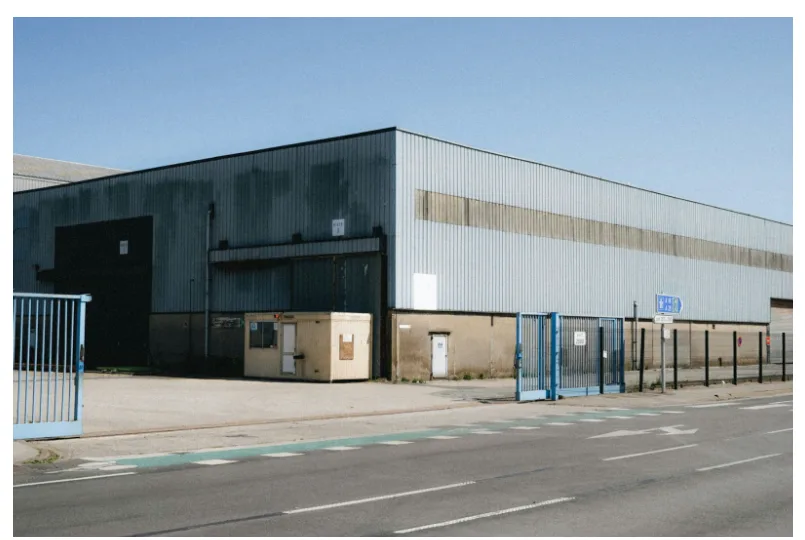
The Real Risk: Why Warehouses Are Prime Targets
Warehouses present unique security challenges:
- Large physical footprints
- Multiple entry points including loading docks and side doors
- High employee turnover in some sectors
- Valuable goods stored in bulk
- Limited night staffing
According to the U.S. Bureau of Labor Statistics, the warehousing and storage sector employs over 1.8 million workers in the United States alone. With that scale comes credential management complexity. Even a small percentage of misuse can translate into significant risk.
The most common unauthorized access incidents include:
- Tailgating through secure doors
- After-hours badge use
- Entry into restricted inventory zones
- Perimeter breaches at loading docks
- Contractor access beyond permitted areas
Real-time detection addresses these risks before they escalate.
What “Real-Time Detection” Actually Means
Real-time detection is often misunderstood. It does not simply mean recording live video.
It means:
- Identifying suspicious activity within seconds
- Automatically correlating video with door events
- Triggering alerts instantly
- Giving security teams actionable context
A system that records footage but requires manual review is reactive. A real-time system is proactive.
1. AI-Powered Video Analytics: The First Layer of Detection
The foundation of real-time warehouse security is AI video analytics.
Modern systems use computer vision models to analyze each frame of video as it is captured. Instead of storing everything and reviewing later, the system looks for predefined risk indicators.
Common AI detection features include:
- Person detection in restricted areas
- Vehicle detection after operational hours
- Loitering near perimeter fences
- Motion detection filtered to ignore environmental noise
- Object removal detection
According to industry research from MarketsandMarkets, the global video analytics market is projected to exceed $22 billion by 2027, driven largely by AI-based anomaly detection.
In warehouse settings, AI reduces false alarms significantly compared to traditional motion sensors. Instead of triggering alerts for shadows or wildlife, AI identifies human presence and movement patterns.
2. Smart Access Control Integration: The Second Layer
Video alone cannot confirm whether access is authorized.
That is where access control systems come in.
Modern warehouse security systems integrate:
- Keycard readers
- Mobile credentials
- PIN-based access
- Biometric authentication
When someone unlocks a door, the system logs:
- User identity
- Timestamp
- Entry point
The real advantage appears when video and access control are linked.
If a badge is used at 2:14 AM, the system automatically pairs that event with the corresponding video footage. If a door is forced open without credential use, an alert is triggered immediately.
This eliminates guesswork during investigations.
3. Tailgating Detection and Occupancy Monitoring
Tailgating is one of the most common warehouse security failures. One authorized employee swipes a badge. A second person follows without credentials.
AI-powered warehouse systems detect:
- Multiple individuals entering on a single credential event
- Unusual entry flow patterns
- Occupancy mismatches
According to security industry data, tailgating accounts for a significant percentage of internal breaches in commercial facilities. Real-time detection helps prevent unauthorized access before individuals reach sensitive inventory zones.
4. Perimeter and Loading Dock Monitoring
Loading docks are high-risk areas.
They involve:
- Third-party drivers
- Open access periods
- Large vehicle movement
- Temporary open doors
AI video systems monitor:
- Unauthorized vehicle presence
- Door held open beyond scheduled time
- Entry into restricted dock areas
As an example, some warehouse security platforms such as Coram’s warehouse security system integrate AI-powered surveillance with access control and smart alerts. These systems connect to existing IP cameras, analyze video in real time, and automatically link door events to footage. If a door is propped open or accessed outside assigned hours, the system generates instant alerts with video context, allowing teams to respond immediately instead of reviewing recordings later.
This type of integration is becoming standard in modern warehouse environments.
5. Real-Time Alerting and Escalation Protocols
Detection alone is not enough.
Response speed determines effectiveness.
Modern warehouse security systems use:
- Mobile push notifications
- SMS alerts
- Email alerts
- On-screen dashboard alerts
- Automated escalation chains
According to a 2023 industry security operations report, organizations that reduced incident response time by even 5–10 minutes saw measurable decreases in loss severity.
Real-time alerts include:
- Snapshot of incident
- Timestamp
- Location
- Linked access log
This ensures security teams do not waste time searching through footage.
6. Environmental Sensor Integration
Warehouses also face risks beyond unauthorized access:
- Temperature spikes
- Smoke detection
- Equipment tampering
Advanced security systems integrate environmental sensors so that video analytics confirm and contextualize alerts.
For example:
- If a smoke detector triggers, nearby cameras display automatically
- If temperature thresholds are exceeded in cold storage, managers receive alerts
- If vibration sensors detect forced entry attempts, cameras activate in that zone
This layered approach reduces blind spots.
7. Multi-Site Centralized Monitoring
Large logistics companies often operate across multiple warehouses.
Centralized dashboards allow:
- Real-time monitoring across regions
- Standardized security policies
- Unified reporting
- Remote investigations
This reduces the need for dedicated security personnel at every location while maintaining visibility.
8. Data Retention, Compliance, and Audit Trails
Warehouses handling pharmaceuticals, electronics, or regulated goods must maintain compliance.
Real-time systems support:
- Timestamped audit logs
- Controlled video retention policies
- Role-based access to footage
- Encrypted data storage
These features help organizations meet compliance requirements without overburdening IT teams.
Real-World Impact: Measurable Benefits
Organizations adopting AI-integrated warehouse security systems report:
- Reduced internal theft
- Faster incident investigations
- Lower insurance premiums in some cases
- Reduced need for overnight security staffing
- Fewer false alarms compared to traditional motion sensors
Given that supply chain disruption can cost companies thousands per hour, preventing even one major incident justifies system investment.
Key Takeaways
- Real-time detection combines AI video analytics with access control integration
- Tailgating and after-hours access are major warehouse risks
- AI reduces false alarms compared to traditional motion sensors
- Linking door events with video eliminates investigative guesswork
- Real-time alerts significantly reduce response times
- Multi-site dashboards improve centralized oversight
- Integrated systems protect both physical inventory and operational continuity
Conclusion: Security Is About Speed, Not Just Cameras
Warehouse security is no longer about recording footage for later review. It is about identifying unauthorized access within seconds and responding immediately.
AI-powered analytics, smart access control integration, and centralized monitoring have fundamentally changed how warehouses protect assets.
The question is no longer whether warehouses need cameras. It is whether those cameras are intelligent enough to detect risk in real time.
As supply chains become more complex and inventory values rise, proactive security is becoming a competitive advantage.
What real-time security feature would make the biggest difference in your warehouse operations today?