iCloud serves as the backbone of iPhone storage, housing everything from essential contacts to years of personal photos. Despite its robust design, data loss remains a persistent issue due to accidental deletion, failed software updates, or forgotten passcodes. While Apple provides basic restoration options, these often lack the precision needed for modern users. Third-party iCloud data recovery software fills this gap by offering flexible features like selective recovery and the ability to preview files before committing to a full restore. Choosing the right tool in 2026 requires balancing high-speed scanning with the security of your private credentials.
What Makes a "Best" iCloud Data Recovery Software?
Selecting the best iCloud data recovery software involves more than just looking at the price tag. Top-tier tools are defined by several critical criteria that ensure your data is actually retrievable:
- Multiple Recovery Modes: A high-quality iPhone data recovery tool must support data retrieval from iCloud backups, iTunes, and the physical device itself.
- Extensive File Support: The software should handle standard photos and contacts alongside specialized data, such as third-party app chats.
- Ease of Use: Effective tools feature a clean user interface that allows users to navigate the process without advanced technical skills.
- Preview Functionality: This allows you to verify the contents of a file before starting the restoration process, saving both time and storage space.
Top Recommended Methods for iCloud Recovery
Depending on the specific file type you have lost, different methods may yield better results:
Method 1: Standard Restoration for iMessages
Apple offers an official way to bring back chat histories for those who maintain consistent backups. This usually involves wiping the device and restoring it to a previous state. To avoid the data loss associated with a full factory reset, users often look for ways to restore iMessages from iCloud using targeted extraction methods.
Method 2: Retrieving Lost iCloud Emails
Email data is often managed differently than app messages.
- Recently Deleted Folder: Most users should first check the Recently Deleted folder within the Mail app.
- Server Limitations: Items typically stay in this folder for 30 days, but once purged, server-side storage limitations may prevent a standard recovery.
Method 3: Professional Third-Party Software (The Gbyte Approach)
Standard Apple recovery methods often feel like using a sledgehammer when you only need a needle. Professional software like Gbyte is considered superior because it transitions away from "all-or-nothing" restores toward selective recovery. Instead of forcing a user to restore an entire 50GB backup, which consumes hours and overwrites current device data, Gbyte allows for the extraction of a single lost attachment, specific photo, or individual contact.
This iCloud backup extractor approach is particularly vital when the physical iPhone is damaged, disabled, or completely inaccessible. Because the software works by downloading and parsing the backup file from the cloud rather than relying on the device's hardware, it bypasses physical barriers that stop standard iTunes restores.
If you need to recover deleted emails from iCloud specifically, Gbyte offers a technical advantage over the default Mail app. While Apple's servers typically purge deleted items permanently after 30 days, professional tools can often bypass these standard server-side purges. By scanning local database remnants and deep-layer fragments within the backup architecture, Gbyte can identify and reconstruct email data that the standard interface no longer recognizes. This makes it an essential tool for high-stakes recovery where server limitations would otherwise result in permanent data loss.
Comparison Table: Top 3 Recovery Tools
|
Software Tool |
Success Rate |
Scan Speed |
Price Point |
|
Gbyte Recovery |
98% |
Ultra-Fast |
Premium |
|
iCloud Extractor Pro |
85% |
Moderate |
Mid-Range |
|
QuickScan Mobile |
70% |
Fast |
Budget |
Step-by-Step Guide: How to Recover Data via iCloud Backup
Using a professional tool generally follows a streamlined three-step process designed for the latest iOS versions:
- Choose "Recover from iCloud": Launch your chosen software and select the primary recovery mode for iCloud data.
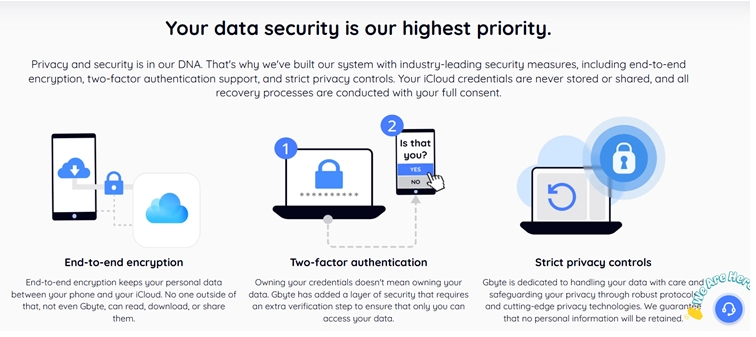
- Sign In Safely: Enter your Apple ID and password securely into the tool. Ensure the software uses encrypted connections to protect your account.
- Scan, Preview, and Recover: Navigate to Settings > iCloud > Backup on your device if needed, but the software will allow you to index your backups directly. Browse the files, preview the items you need, and hit the recovery button to save them to your computer.
Pro Tip: Always keep a secondary local backup on a physical hard drive or computer to complement your iCloud storage. This ensures you have a recovery path even if you lose access to your Apple ID.
Conclusion
Choosing the best iCloud data recovery software is about finding a balance between safety and a high success rate. While Apple's built-in tools are a good starting point, professional third-party extractors provide the granular control needed to rescue specific memories or critical business documents.
Media Contact
Company Name: Gbyte Technology Co., Limited
Email: Send Email
Country: HongKong
Website: https://www.gbyte.com/