In Japan, collecting reward points is not merely a way to save money—it represents a way of life. From coasters and folders to limited-edition trinkets sold in convenience stores, these seemingly trivial items reflect a cultural emphasis on everyday rituals and a subtle yet consistent sense of fulfilment.
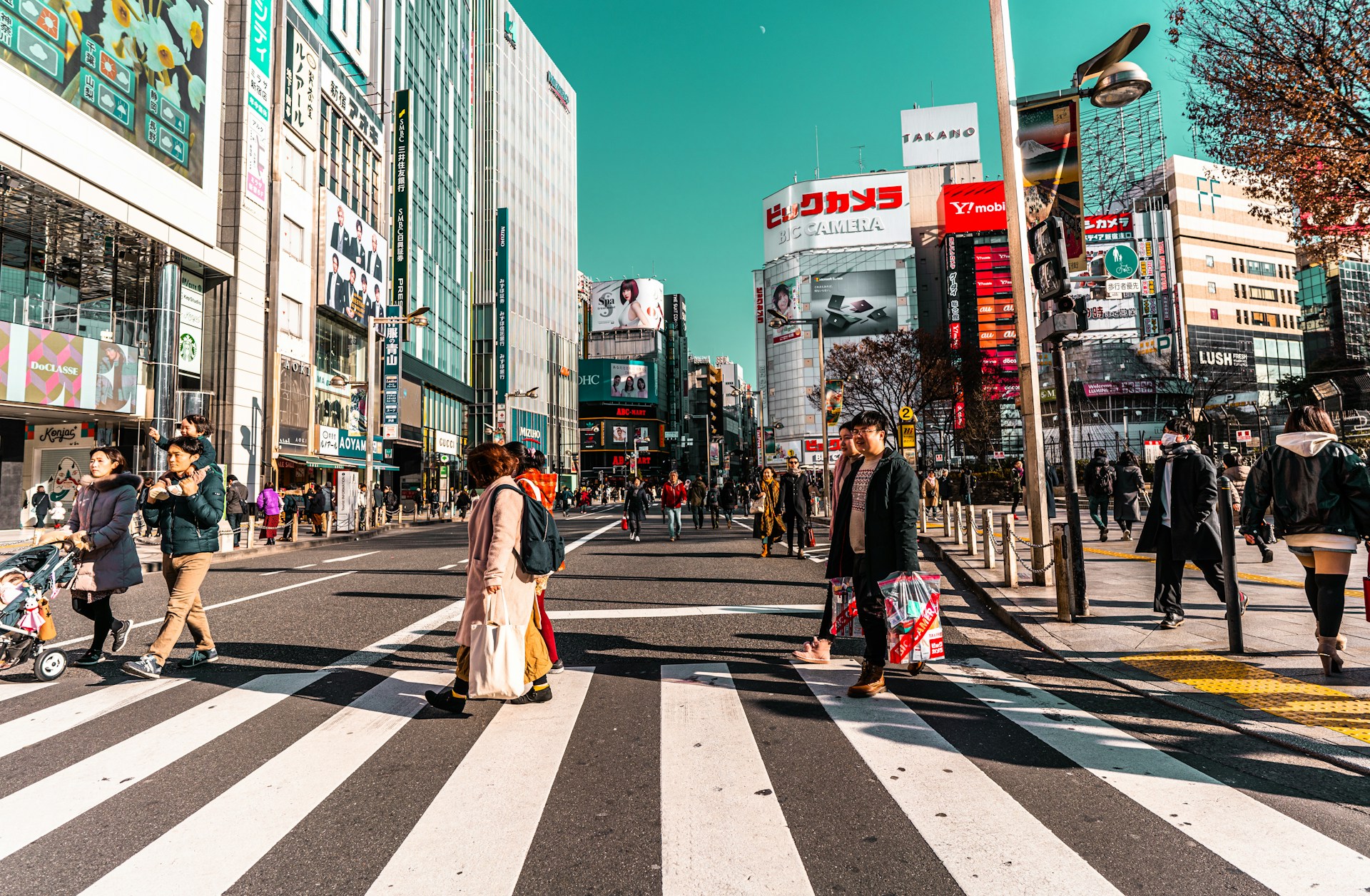
TOKYO, JAPAN (MERXWIRE) –It’s a familiar scene in Japan: shoppers pulling out various membership or point cards at checkout counters—not for an immediate discount, but in pursuit of a small gift that comes from long-term accumulation. This behaviour not only illustrates the thrifty nature of Japanese consumers but also reflects their appreciation for rhythm and ritual in everyday life. Whether it’s a coaster, a file folder, or a limited-edition collectable, these modest items gradually become a manifestation of cultural habits and personal lifestyle planning.
According to data from Yano Research Institute, Japan’s market for point-based services and credit card rewards surpassed ¥2.2 trillion in 2022, demonstrating its considerable economic impact. The popularity of these systems has even led to the creation of a new term—”ポイ活” (Poi-katsu), meaning “a lifestyle of utilising reward points.” Some individuals, by leveraging multiple platforms and using their cards strategically, reportedly save tens of thousands of yen per month, turning point usage from a casual habit into a deliberate, optimised lifestyle.
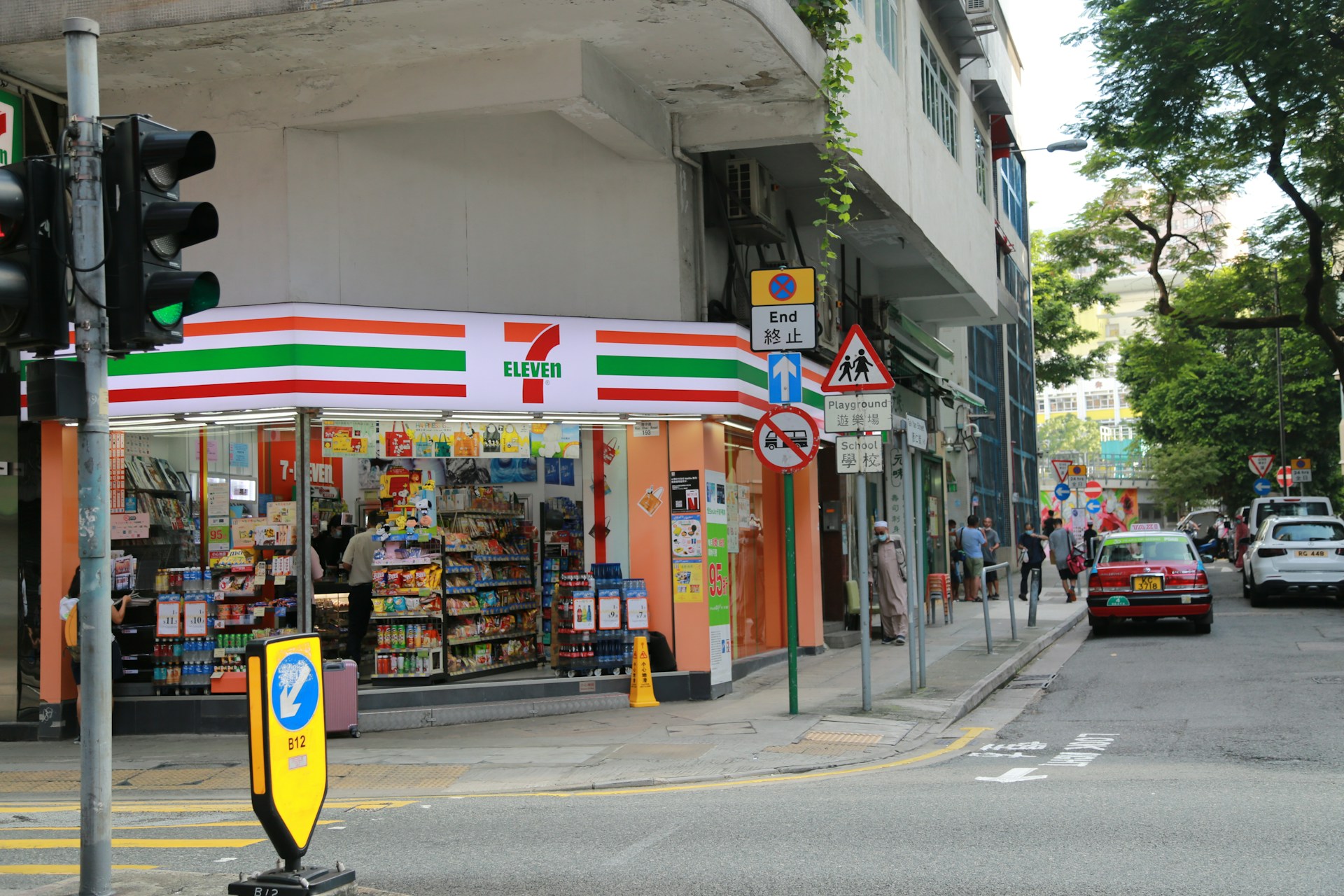
This trend is closely tied to the ubiquity of convenience stores in Japan. With over 50,000 stores nationwide, the difference in access between urban and rural areas is minimal. Most people can reach a convenience store within a 5–to 10-minute walk, making “spend-and-collect” a natural part of daily life and further strengthening the emotional ties between brands and consumers.
Behavioural science research supports this phenomenon. Repetitive behaviours that offer predictability and incremental rewards can reduce anxiety and foster a sense of control over one’s environment. Structured systems of goal-based rewards—much like game quests—stimulate the release of dopamine in the brain, generating a modest yet stable sense of psychological satisfaction. Moreover, studies show that participation significantly increases when limited-time offers or high-point multipliers are introduced, enhancing brand loyalty and encouraging repeat consumption.
However, point systems are not without drawbacks. When programs become overly complex, require high redemption thresholds, or offer uninspiring rewards, users may experience “point fatigue” or disappointment, which can undermine trust and loyalty toward the brand.
From a simple card to a collectable coaster, what many Japanese consumers seek is not merely a discount but a sense of order, rhythm, and meaningful routine within their everyday lives. While rooted in commercial marketing strategies, these systems have evolved into an integral part of Japan’s cultural fabric, representing a distinctive aesthetic of daily living.