SPONSORED CONTENT -- (StatePoint) About 20 years ago, chickens—long a staple of farms and homesteads—began showing up in urban and suburban yards. They enabled city dwellers to source homegrown food, provided a touch of nature amid the urban jungle, and have continued to rise in popularity ever since. According to the American Pet Products Association’s 2025 State of the Industry report, 11 million U.S. households own backyard chickens, a 28% increase from 2023.
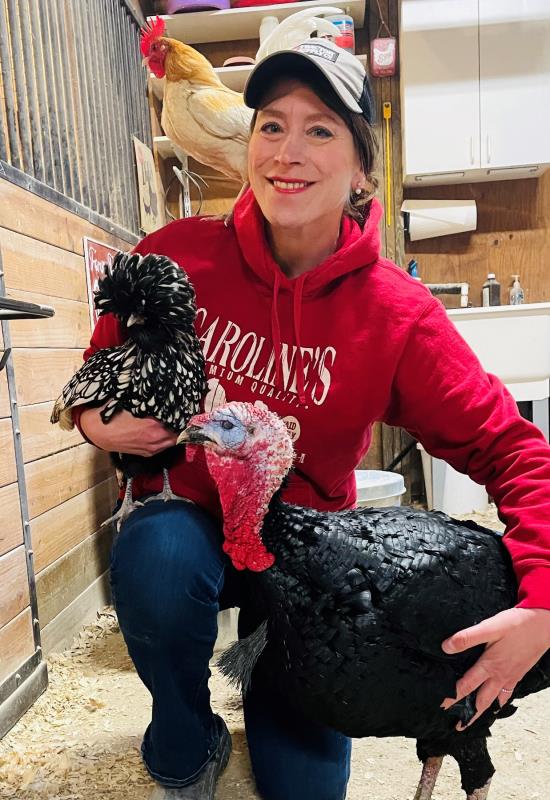
Caroline Komar-Steiner, a Team Lead at the Tractor Supply store in Antioch, Illinois, is a passionate chicken expert who regularly guides individuals into the world of chicken ownership. She and her husband have been raising poultry since 2018, and she describes it as one of the most rewarding things she has ever done. “Raising those chicks and getting your first eggs is an ‘eggsperience’ unlike any other,” she said.
To ensure new chick owners can enjoy that experience, Komar-Steiner hosts regular Chickens 101 sessions at the store. The first thing she always tells people is to find out if their town or neighborhood allows chickens. Some have restrictions, so it’s best to find that out on the front end. Then she asks them why they want chickens. Is it for their eggs? For meat? Will they be purely ornamental? “That steers me toward what they’re looking for,” Komar-Steiner said.
To help you get started, Komar-Steiner is sharing these basics for preparing for and caring for chickens:
1. Assess your space: Chicks need a temperature-controlled space until they are fully feathered, usually about six weeks. Komar-Steiner recommends finding a warm, draft-free area. She sets her brooder up in her basement. The chicks grow quickly, so it’s important to determine where you’ll put your coop and have it ready to go. The chickens will also need a heat source in winter to stay warm and prevent their water from freezing.
2. Get supplies, then chicks: It’s a good idea to buy all your equipment and supplies before bringing chickens home. You’ll need a brooder, shavings, heat lamps or brooder plates, a perch so they can learn how to roost, a feeder and a waterer. Komar-Steiner recommends adding an electrolyte to the chicks’ water to give them an extra edge. You’ll also need chick grit, feed and a thermometer.
3. Remember, they are living things: People often get excited about the idea of a steady supply of eggs, but like all living things, chickens require care. Before leaving home for an extended time, make sure someone is available to check on their food and water, especially in winter and summer. And like other animals, chickens are at risk of getting sick. Tractor Supply carries a wide variety of products to support chicken health.
Even after having chickens for a time, customers still frequently have questions, especially when it comes to adding to their flock, which leads Komar-Steiner to a critical point. “It is imperative that you do not put baby chicks in with adult birds,” she said.
Chickens view new animals as either food or intruders. Komar-Steiner’s recommendation is to wait until they are large enough to hold their own, usually around three months. Additionally, introducing new adult birds requires an integration process.
With 30 chickens and five turkeys of her own, Caroline is an excellent resource for poultry advice, especially during Tractor Supply’s annual Chick Days event. Customers can purchase baby birds in store and enjoy new products, new breeds and special offers until September 13. The products and insight to keep chickens happy and healthy are available year round at Tractor Supply and TractorSupply.com.
Before you build a backyard flock, get the equipment and know-how you need for successful chicken ownership.