Quarterly earnings results are a good time to check in on a company’s progress, especially compared to its peers in the same sector. Today we are looking at Kimball Electronics (NASDAQ: KE) and the best and worst performers in the electrical systems industry.
Like many equipment and component manufacturers, electrical systems companies are buoyed by secular trends such as connectivity and industrial automation. More specific pockets of strong demand include Internet of Things (IoT) connectivity and the 5G telecom upgrade cycle, which can benefit companies whose cables and conduits fit those needs. But like the broader industrials sector, these companies are also at the whim of economic cycles. Interest rates, for example, can greatly impact projects that drive demand for these products.
The 12 electrical systems stocks we track reported a strong Q2. As a group, revenues beat analysts’ consensus estimates by 2.1% while next quarter’s revenue guidance was 2.4% below.
Thankfully, share prices of the companies have been resilient as they are up 5.8% on average since the latest earnings results.
Kimball Electronics (NASDAQ: KE)
Founded in 1961, Kimball Electronics (NYSE: KE) is a global contract manufacturer specializing in electronics and manufacturing solutions for automotive, medical, and industrial markets.
Kimball Electronics reported revenues of $380.5 million, down 11.6% year on year. This print exceeded analysts’ expectations by 14.2%. Overall, it was an exceptional quarter for the company with a beat of analysts’ EPS estimates and an impressive beat of analysts’ EBITDA estimates.
Commenting on today’s announcement, Richard D. Phillips, Chief Executive Officer, stated, “I’m encouraged by the results for the fourth quarter and solid finish to the fiscal year. Q4 came in better than expected, as sales increased sequentially, margins improved, and working capital management drove our sixth consecutive quarter of positive cash flow which was used to pay down debt. Our balance sheet is now in a position of competitive strength with ample liquidity to weather an unpredictable environment, while providing dry powder for opportunistic investments.”
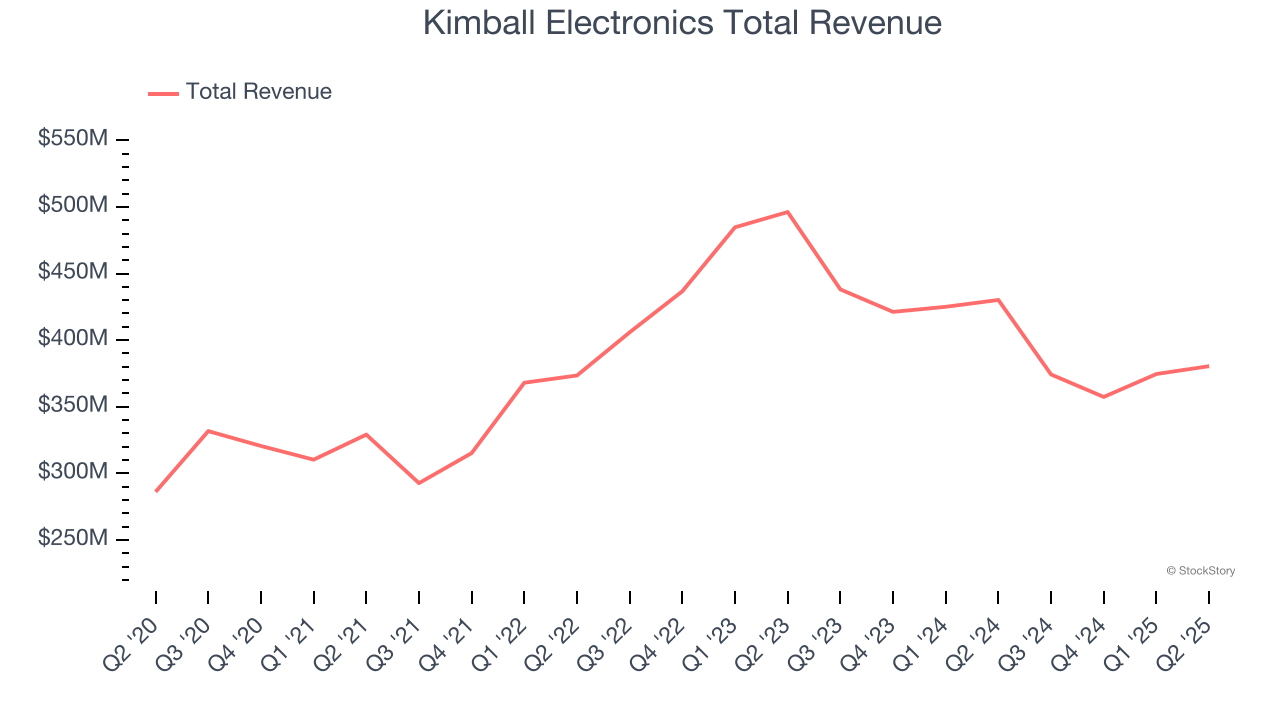
Kimball Electronics scored the biggest analyst estimates beat but had the slowest revenue growth of the whole group. Unsurprisingly, the stock is up 40.7% since reporting and currently trades at $29.55.
Is now the time to buy Kimball Electronics? Access our full analysis of the earnings results here, it’s free.
Best Q2: LSI (NASDAQ: LYTS)
Enhancing commercial environments, LSI (NASDAQ: LYTS) provides lighting and display solutions for businesses and retailers.
LSI reported revenues of $155.1 million, up 20.2% year on year, outperforming analysts’ expectations by 11.6%. The business had an incredible quarter with a beat of analysts’ EPS estimates and an impressive beat of analysts’ EBITDA estimates.
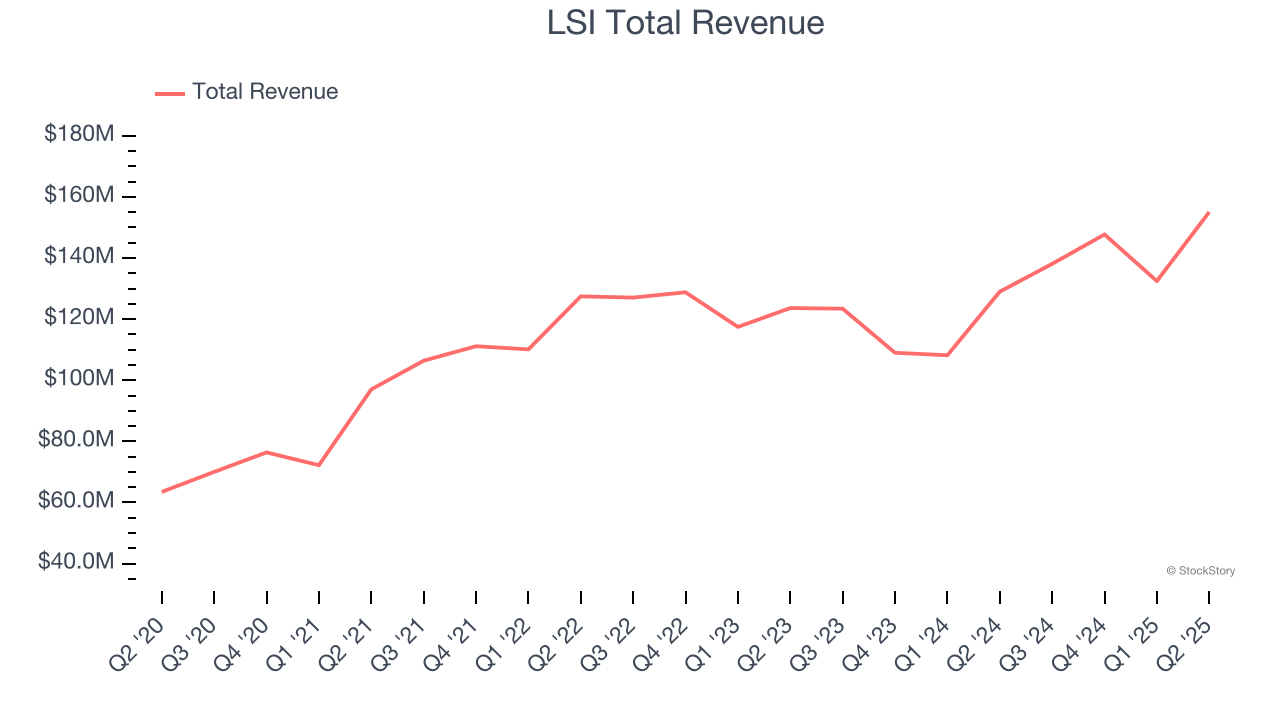
The market seems happy with the results as the stock is up 18.8% since reporting. It currently trades at $22.93.
Is now the time to buy LSI? Access our full analysis of the earnings results here, it’s free.
Weakest Q2: Whirlpool (NYSE: WHR)
Credited with introducing the first automatic washing machine, Whirlpool (NYSE: WHR) is a manufacturer of a variety of home appliances.
Whirlpool reported revenues of $3.77 billion, down 5.4% year on year, falling short of analysts’ expectations by 3%. It was a softer quarter as it posted full-year EPS guidance missing analysts’ expectations significantly and a significant miss of analysts’ adjusted operating income estimates.
As expected, the stock is down 4.1% since the results and currently trades at $93.85.
Read our full analysis of Whirlpool’s results here.
Vertiv (NYSE: VRT)
Formerly part of Emerson Electric, Vertiv (NYSE: VRT) manufactures and services infrastructure technology products for data centers and communication networks.
Vertiv reported revenues of $2.64 billion, up 35.1% year on year. This number surpassed analysts’ expectations by 12%. Overall, it was an exceptional quarter as it also logged an impressive beat of analysts’ organic revenue estimates and a solid beat of analysts’ EBITDA estimates.
Vertiv delivered the fastest revenue growth and highest full-year guidance raise among its peers. The stock is down 10.7% since reporting and currently trades at $127.55.
Read our full, actionable report on Vertiv here, it’s free.
Powell (NASDAQ: POWL)
Originally a metal-working shop supporting local petrochemical facilities, Powell (NYSE: POWL) has grown from a small Houston manufacturer to a global provider of electrical systems.
Powell reported revenues of $286.3 million, flat year on year. This print came in 5.1% below analysts' expectations. All in all, it was a mixed quarter for the company.
The stock is up 13.7% since reporting and currently trades at $270.
Read our full, actionable report on Powell here, it’s free.
Market Update
Thanks to the Fed’s rate hikes in 2022 and 2023, inflation has been on a steady path downward, easing back toward that 2% sweet spot. Fortunately (miraculously to some), all this tightening didn’t send the economy tumbling into a recession, so here we are, cautiously celebrating a soft landing. The cherry on top? Recent rate cuts (half a point in September 2024, a quarter in November) have propped up markets, especially after Trump’s November win lit a fire under major indices and sent them to all-time highs. However, there’s still plenty to ponder — tariffs, corporate tax cuts, and what 2025 might hold for the economy.
Want to invest in winners with rock-solid fundamentals? Check out our Top 6 Stocks and add them to your watchlist. These companies are poised for growth regardless of the political or macroeconomic climate.
StockStory is growing and hiring equity analyst and marketing roles. Are you a 0 to 1 builder passionate about the markets and AI? See the open roles here.