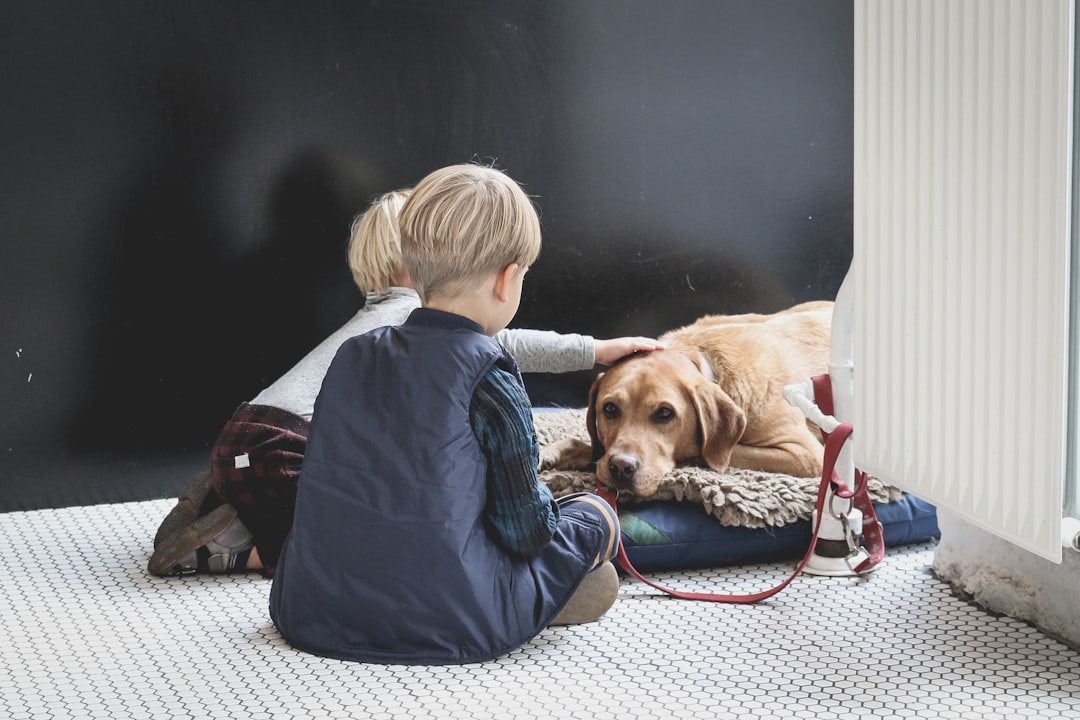
 Photo from Unsplash
Originally Posted On: https://www.restingrainbow.com/locations/sarasota/blog/how-to-support-children-through-the-loss-of-a-pet
How to Support Children Through the Loss of a Pet
Losing a pet is one of the most challenging experiences for a family. For children, the death of a pet can be their first encounter with loss and grief. Pets often play the role of loyal companions, trusted confidants, and beloved family members, which makes their passing especially difficult for younger ones. Supporting children through this emotional journey requires compassion, honesty, and guidance to help them process their feelings in a healthy way.
At Resting Rainbow Sarasota, we understand how deeply pets impact families and how important it is to provide support during such a tender time. This guide is designed to help parents and caregivers navigate conversations, offer emotional support, and foster understanding as children grieve the loss of a pet.
Why the Loss of a Pet Hits Children So Hard
For many children, a pet is more than just an animal—they are a constant source of love and companionship. Pets provide emotional support, teach responsibility, and are often present for significant milestones in a child’s life. Because of this bond, losing a pet can feel like losing a family member or best friend.
Children may also struggle to understand the concept of death, depending on their age and developmental stage. This lack of understanding can make it harder for them to process the loss, leading to confusion, sadness, and even fear. It’s also worth noting that children may mirror the emotional responses of the adults around them, so your reaction can significantly impact how they cope.
Understanding How Children Grieve
Every child processes grief differently, and their reactions may vary based on their age, personality, and relationship with the pet. Here are some general patterns to keep in mind:
1. Toddlers and Young Children (Ages 2-6)
At this age, children may not fully grasp the permanence of death. They might ask questions like, “When is [pet’s name] coming back?” or “Why can’t we fix them?” Reassure them gently and provide simple, honest explanations. They may also exhibit regressive behaviors, such as thumb-sucking or clinginess, as they process their feelings.
2. School-Aged Children (Ages 7-12)
School-aged children typically understand the finality of death but may have difficulty expressing their emotions. They might feel guilty, thinking they could have done something to prevent the pet’s passing. Encourage open dialogue and let them know their feelings are valid. Some children in this age group may also become more curious about the concept of death and ask detailed questions.
3. Teenagers (Ages 13 and Up)
Teenagers are more likely to comprehend death but may react with intense emotions, including anger, sadness, or withdrawal. They might prefer to process their grief privately but still need reassurance and support from loved ones. Teenagers may also experience feelings of guilt, especially if they feel they didn’t spend enough time with the pet or were not present at the end.
How to Support Children Through the Loss of a Pet
Helping a child cope with the loss of a pet involves creating a safe space for them to express their feelings, providing age-appropriate explanations, and honoring the pet’s memory. Here are some practical steps you can take:
1. Be Honest and Use Simple Language
It’s important to be truthful when explaining the pet’s death. Avoid euphemisms like “went to sleep” or “went away,” as these can confuse children or make them fearful of sleeping or people leaving.
For example, you might say, “[Pet’s name] was very sick, and their body wasn’t able to get better. They have died, which means they won’t be with us anymore.” Simple and clear explanations help children understand what has happened.
2. Validate Their Feelings
Acknowledge and validate your child’s emotions, whether they are sad, angry, confused, or scared. Let them know it’s okay to feel however they’re feeling and that everyone grieves differently.
You can say something like, “It’s okay to feel sad and cry. I feel sad too because [pet’s name] was very special to us.” Knowing their feelings are normal can provide immense comfort.
3. Encourage Open Communication
Let your child know they can talk to you about their feelings at any time. Encourage them to share memories, ask questions, or express their thoughts through creative outlets like drawing, writing, or making a photo album of their pet.
Ask open-ended questions such as, “What’s your favorite memory of [pet’s name]?” or “How are you feeling about everything?” to create a dialogue.
4. Avoid Rushing the Grieving Process
Grief has no timeline, and children may revisit their feelings weeks, months, or even years after the loss. Be patient and allow them to grieve at their own pace. Avoid phrases like “You’ll get over it” or “It’s time to move on,” as these can dismiss their emotions.
5. Honor the Pet’s Memory Together
Creating a ritual or memorial can help children process their grief and celebrate the life of their pet. Some ideas include:
1. Planting a tree or flowers in the pet’s honor.
2. Making a scrapbook with photos, drawings, and written memories.
3. Holding a small family ceremony to say goodbye.
4. Creating a keepsake, like a paw print mold or a framed photo.
Honoring the pet’s memory can help your child find closure and cherish the happy moments they shared.
6. Offer Reassurance
Children may worry about other pets or family members dying after experiencing this loss. Reassure them that while death is a natural part of life, it doesn’t mean other loved ones will pass away soon.
You might say, “[Pet’s name] was very old or sick, and that’s why they died. But our other pets are healthy and happy, and we’re doing everything we can to take care of them.”
7. Seek Additional Support if Needed
If your child is struggling to cope with the loss or showing signs of prolonged grief, such as changes in behavior, trouble sleeping, or withdrawal from activities, consider seeking support from a counselor or therapist. Pet loss support groups can also provide a safe space for children to share their feelings with others who understand.
Age-Appropriate Activities to Help Children Cope
Engaging in meaningful activities can help children process their emotions and feel connected to their pet’s memory. Here are some age-appropriate ideas:
For Younger Children:
1. Create a “memory jar” where they can write or draw their favorite memories of the pet and place them inside.
2. Read books about pet loss, such as “The Rainbow Bridge” by Adrian Raeside or “The Goodbye Book” by Todd Parr.
3. Make a colorful picture of their pet and hang it in a special place.
For Older Children and Teens:
1. Write a letter to the pet expressing their feelings or saying goodbye.
2. Create a photo or video montage of special moments with the pet.
3. Volunteer at an animal shelter to honor the pet’s legacy.
4. Keep a journal to record their thoughts and emotions.
Common Questions Children May Ask
Children often have many questions about death and what happens next. Here are some common questions and how to address them:
1. “Why did [pet’s name] die?”
Answer honestly: “[Pet’s name] was very sick and their body wasn’t strong enough to get better. It’s part of life that everything living eventually dies, even though it’s very sad.”
2. “Where did [pet’s name] go?”
Tailor your response to your family’s beliefs. You might say, “Many people believe that pets go to a place called the Rainbow Bridge, where they are happy and free. What do you think?”
3. “Will I ever see [pet’s name] again?”
Offer comfort while respecting your beliefs: “Even though we can’t see [pet’s name], we can keep their memory alive in our hearts and remember all the love and happiness they brought us.”
4. “Did I do something wrong?”
Reassure them: “No, you didn’t do anything wrong. [Pet’s name] had a good life because of you and our family. They loved you very much.”
Why Supporting Children Through Pet Loss Matters
Helping children navigate the loss of a pet teaches them important life skills, such as processing emotions, coping with grief, and finding healthy ways to remember loved ones. By providing support and understanding, you’re not only helping them through a difficult time but also fostering resilience and emotional growth.
Final Thoughts
The loss of a pet is a profound experience for children, but with the right support, they can learn to navigate their grief and cherish the memories of their beloved companion. At Resting Rainbow Sarasota, we are here to help families through every step of this journey, offering resources, compassionate care, and guidance to honor your pet’s legacy.
If you’re facing the loss of a pet and need support, please don’t hesitate to reach out. Together, we can create a meaningful goodbye and provide comfort to your family during this tender time.