GrinderCrusherScreen has published a new educational guide on portable crushers to help contractors, recyclers, and site operators evaluate equipment before making a purchase. The guide is now available on the company’s website and addresses common questions about crusher types, mobility options, key machine specifications, and the choice between new and used equipment.
The new resource is framed around a practical problem in recycling, demolition, quarry, and aggregate work: matching the right machine to the job. It explains that portable crushers allow material to be processed on site rather than hauled to a separate plant, and it outlines the operating and buying factors that can affect cost, transport, output size, and production capacity.
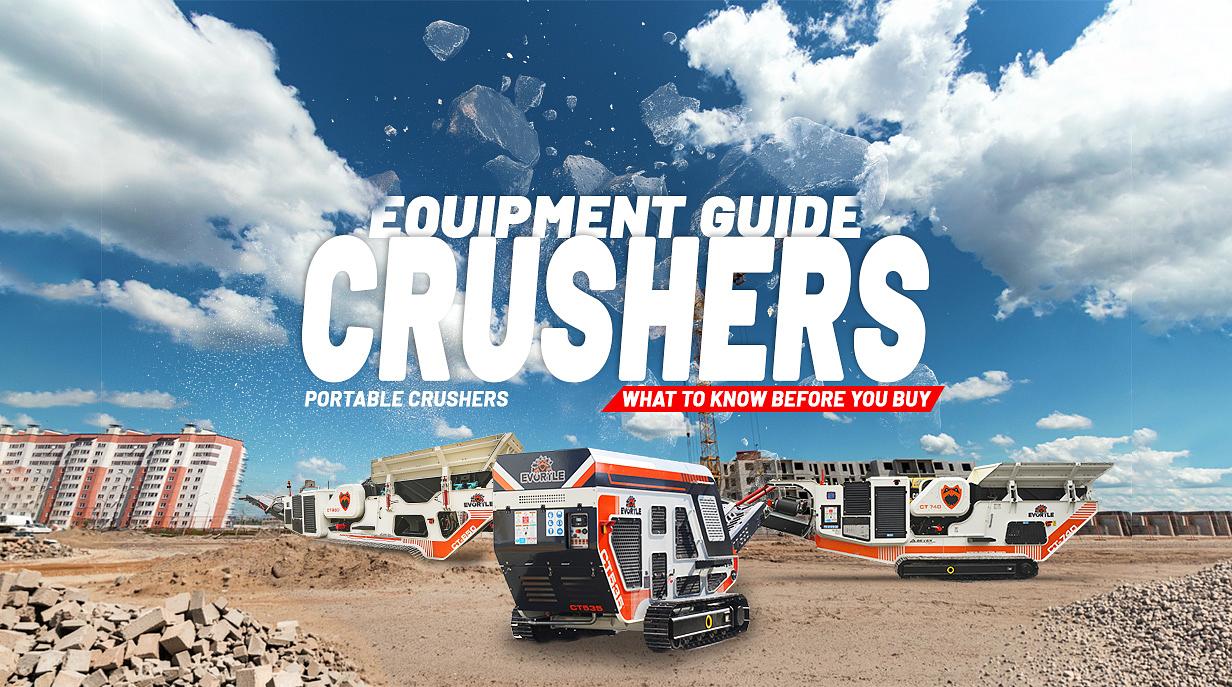
“Portable crushers can serve very different jobs, and buyers often need clearer information before they commit to a machine,” said Alex Laldin, Marketing Director at GrinderCrusherScreen. “This guide was published to give equipment buyers a plain-language reference on the main crusher types, the specs that matter most, and the tradeoffs involved in new and used machines.”
The article explains that portable crushers fall into several categories, including jaw, impact, and cone units. It states that jaw machines are generally used for primary reduction of hard rock, large concrete, and heavy demolition debris, while impact machines are often used in concrete recycling and asphalt processing because they can produce a more uniform end product. The guide also notes that cone units are usually part of multi-stage crushing setups where tighter material gradation is required.
Another section focuses on chassis choice, which the company presents as a key part of equipment selection rather than a minor feature. Track-mounted machines are described as better suited to rough or uneven ground and easier to reposition within a site, while wheel-mounted units are described as lower-cost options that can be easier to tow and maintain in fixed or longer-term setups. By laying out these differences in direct terms, the guide aims to help buyers compare mobility needs before they compare brands.
The resource also outlines common applications for portable crushers across several work types. These include concrete recycling, rock crushing, aggregate production, demolition processing, road and bridge work, and mining. The article describes portable crushing as a way to process material at the job site, which can reduce hauling needs and allow concrete, asphalt, rock, and demolition debris to be turned into usable product on location.
A large part of the guide is devoted to the specifications buyers should review before choosing a machine. The company lists feed opening size, tons-per-hour capacity, closed side setting, power source, transport dimensions, and machine weight among the most important factors. The article also notes that rated throughput figures are based on ideal conditions and that real-world performance depends on feed consistency, material type, and machine settings.
The guide addresses the new-versus-used decision with a neutral approach. It states that new machines can offer warranty coverage, unused wear parts, and updated controls, while used equipment may reduce entry cost but requires closer inspection of hours, wear items, hydraulics, frame condition, and undercarriage condition on tracked units. It also points out that replacement wear parts remain an ongoing cost regardless of whether a buyer chooses new or used equipment.
Brand and equipment format are also covered in the published piece. The guide identifies compact options and production-scale machines as separate buying paths depending on tonnage, transport limits, and site needs. It also gives buyers a selection process built around material type, desired output, production volume, mobility needs, budget, and parts availability, which keeps the article focused on operational fit instead of general product promotion.
The announcement reflects a broader pattern on the company’s website, where GrinderCrusherScreen publishes buying guides tied to recycling and material processing equipment. The site also shows that the company sells new and used equipment and offers replacement parts across multiple machine categories, including crushers, grinders, screens, conveyors, and shredders. That background gives the new portable crusher guide a clear connection to the company’s existing role in the recycling equipment market.
GrinderCrusherScreen states on its website that it has operated since 1973 and works from Smyrna, Georgia. The company sells new and used recycling equipment and offers parts for many makes and models, with product categories that include crushers, grinders, screens, conveyors, shredders, and other material processing equipment.
###
For more information about GrinderCrusherScreen, contact the company here:
GrinderCrusherScreen
Rick Cohen
(770) 433-2670
Sales@GrinderCrusherScreen.com
1772 Corn Rd, Smyrna, GA 30080