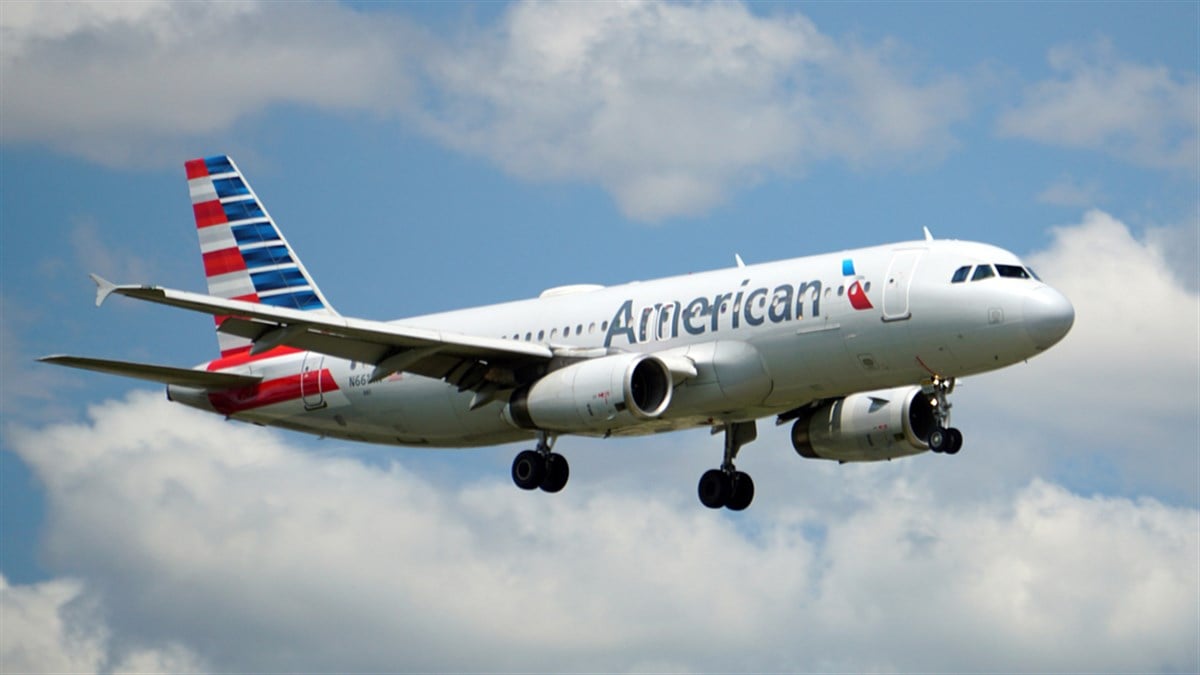
American Airlines Group Inc. (NASDAQ: AAL) is the largest commercial airline carrier in the United States. With the largest fleet, most passengers, and over 5,400 daily flights, the company is a key bellwether in the transportation sector for the commercial airline industry. Therefore, when American Airlines surprisingly issues downside guidance, systemic concerns about the travel industry naturally creep up. Investors in rival carriers like United Airlines Holdings Inc. (NASDAQ: UAL) and Delta Air Lines Inc. (NYSE: DAL) are naturally spooked and question whether their stocks will also suffer a sustained sell-off.
A Stellar Holiday Travel Season Reflects in Q4 Results
The 2024 holiday travel season was one of the busiest on record. American Airlines reflected this was solid Q4 2024 EPS of 86 cents, crushing analyst estimates by 20 cents. Revenues rose 4.6% YoY to $13.66 billion, firmly beating consensus estimates for $13.43 billion. Cargo revenue rose by 10.5%. Passenger revenue rose 3.3%.
While domestic revenues rose 3.5% YoY, driven by a 3.6% increase in capacity, Latin American revenues declined due to capacity growth of 4.6%, which was overshadowed by the 5% decline in unit revenues. Surprisingly, the Pacific region saw a 39.4% growth in revenue, driven by a 32.3% increase in capacity and a 5.3% increase in unit revenues. American Airlines prioritized improving its balance sheet by seeking to trim debt by $4 billion by 2027. Unlike Delta and Southwest Airlines Co. (NYSE: LUV), American Airlines doesn’t pay stock dividends.
Rising CASM Costs Lead to Lowered Forecasts
Some key metrics to be aware of with airlines are the cost per available seat mile (CASM) and total revenue per available seat mile (TRASM). CASM is how much the airline spends per seat on a flight (cost), and RASM is how much money the airline takes in for the same seat (earnings). In Q4, TRASM rose 2% YoY. Operating CASM, excluding special items and fuel, rose 5.7% YoY. Incidentally, lower fuel costs in Q4 helped drive earnings higher. International travel experienced a sharp TRASM rise of 11.5% in the Atlantic and 3.5% in the Pacific. Crude oil has risen over 8% since then, which was a key factor in their guidance. Investors are hopeful that President Trump’s “Drill, baby, drill” policy to bolster domestic fuel supplies will cause oil and gas prices to fall again.
American Airlines issued downside guidance for Q1 2025 as it projects an EPS loss of 40 cents to 20 cents versus consensus estimates for a loss of just 4 cents. However, full-year 2025 EPS was in line between $1.70 and $2.70 versus $2.42 consensus estimates. This was enough to trigger an 8.7% sell-off the following day.
American Airlines' Woes Are Company-Specific, Not Systemic
The Q1 2025 downside guidance was ugly. However, the company insisted that the demand environment was robust. The guidance was based on current demand trends and fuel price forecasts. Aside from that, American Airlines made a strategic mistake in the quarter by leaning on existing corporate accounts to squeeze more profits by scaling back on discounts.
This caused corporate customers to switch to United and Delta as they expanded their promotions and added new premium services. Additionally, rising CASM costs are expected to grow by a high-single-digit percentage due to further reductions in capacity. This contrasts Delta Air Lines's forecast of low-single-digit CASM growth. The silver lining is that the lower capacity will push fare prices higher, thereby lifting TRASM and improving margins.
AAL Stock Triggers a Rising Wedge Breakdown
A rising wedge is a bearish pattern comprised of an ascending (rising) upper trendline resistance and a converging ascending lower trendline support. As the channel gets tighter, the breakdown occurs when the stock collapses under the lower trendline support.
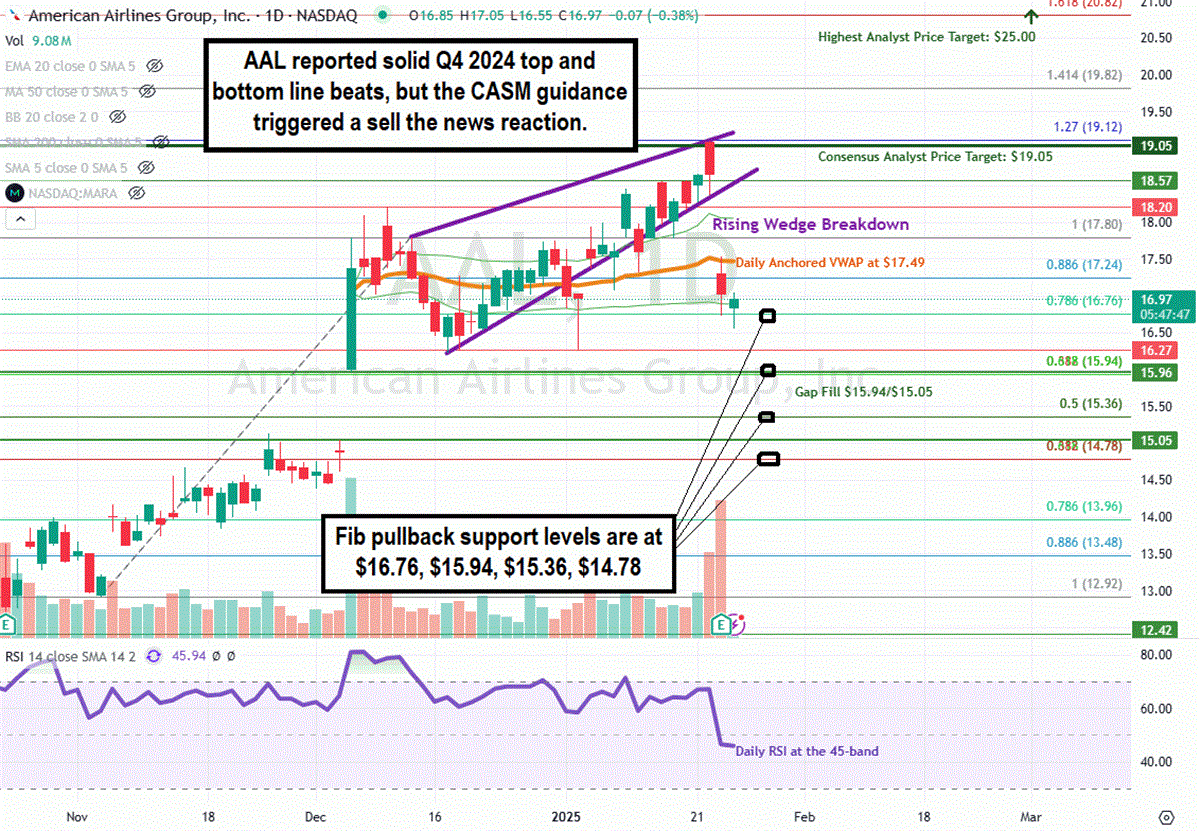
AAL peaked at the $19.12 Fib, heading into earnings on a rising wedge pattern. The sell-the-news reaction triggered a gap down below the daily anchored VWAP at $17.49. This caused the daily RSI to reverse down to the 45-band sharply. (Fib) pullback support levels are at $16.76, $15.94, $15.36, and $14.78.
AAL stock’s average consensus price target is 12.6% higher at $19.05, and its highest analyst price target sits at $25.00. Analysts will likely revise forecasts and price targets. It has 13 analysts' Buy ratings and seven Hold ratings. The stock has a 6.9% short interest.
Actionable Options Strategies: Bullish investors can consider using cash-secured puts at the Fib pullback support levels to buy the dip. If assigned the shares, then writing covered calls at upside Fib levels executes a wheel strategy for income.