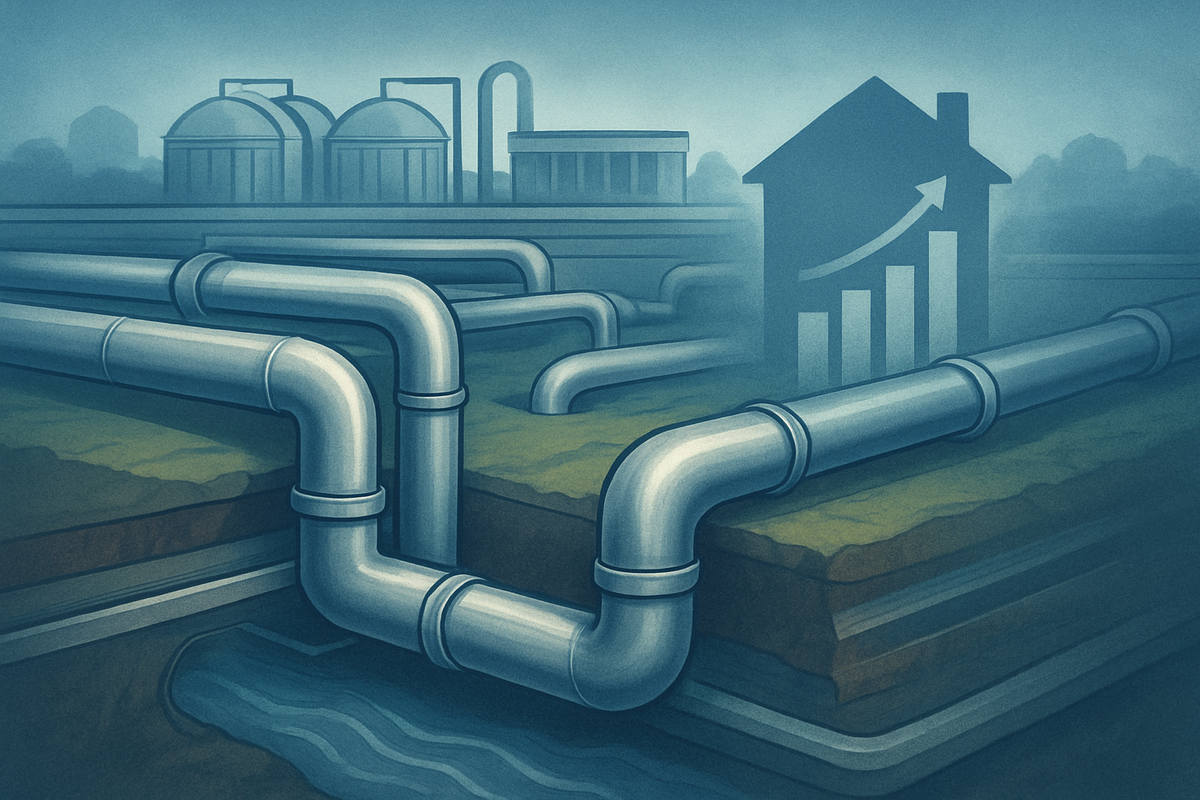
Saline, MI – December 4, 2025 – Residents of Saline are bracing for another round of increased utility bills as the Saline City Council, in a unanimous 5-0 vote on December 4, 2024, approved significant hikes in water and wastewater rates. Effective January 1, 2025, water rates will climb by 6.5% and wastewater rates by 7.5%. This decision marks the latest in a series of adjustments aimed at funding critical infrastructure upgrades, addressing mounting operational costs, and meeting state-mandated environmental compliance.
The immediate implication for the average residential customer, consuming approximately 6,000 gallons per month, is an estimated monthly increase of $10.95, translating to an additional $32.85 on their quarterly utility statements. While city officials emphasize the necessity of these increases for long-term sustainability and system resilience, concerns regarding affordability for residents continue to be a prominent discussion point within the community.
A Cascade of Costs: Unpacking Saline's Utility Rate Evolution
The December 2024 decision is not an isolated event but rather the culmination of several years of strategic financial planning and infrastructure investment. The journey toward higher utility rates began in earnest following environmental violations in 2019, which led to a state mandate for the city to significantly upgrade its wastewater treatment plant. This mandate became the primary catalyst for the initial substantial rate increases.
Specific Details of the Latest Increase: The most recent approval, on December 4, 2024, saw the Saline City Council vote 5-0 to implement a 6.5% increase for water rates and a 7.5% increase for wastewater rates, effective January 1, 2025. These adjustments were based on recommendations from an annual utility rate study presented at the November 18, 2024, City Council meeting by the City Treasurer. The increases are designed to cover rising operational costs, service existing debt obligations, and fund essential capital improvements, including the ongoing renovation of the wastewater treatment plant and crucial upgrades to the water treatment facility. Inflationary pressures, such as higher costs for supplies, chemicals, and healthcare, were explicitly cited as contributing factors.
Timeline of Events:
- May 4, 2022: The Saline City Council approved a significant increase in water and sewer rates, effective June 1, 2022. This decision was primarily driven by the need to fund an anticipated $62 million upgrade to the wastewater treatment plant and a projected $20 million project for 2027-28, mandated by the state after 2019 environmental violations. These initial hikes were also crucial for the city to qualify for a low-interest state loan.
- October/November 2023: A 2023 Utility Rate Study identified further needs for increases. The City Council voted on recommended rate increases at its November 6, 2023, meeting, which became effective January 1, 2024. These included a 5% rise in water rates and an 8% increase for sewer services. Notably, a significant portion of the projected sewer rate increase (initially 25%) was offset by a $5 million direct appropriation from the State of Michigan and $6.2 million in principal forgiveness through the Bipartisan Infrastructure Act.
- November 18, 2024: An annual utility rate study was presented to the City Council, outlining the necessity for the subsequent rate adjustments.
- December 4, 2024: The City Council officially approved the 2025 rate increases.
Key Players and Stakeholders: The Saline City Council has been the central decision-making body, guided by recommendations from the City Treasurer and insights from comprehensive utility rate studies. Saline residents are the most directly impacted stakeholders, facing the financial burden of these increases. State environmental agencies have played a crucial role in mandating the infrastructure improvements that necessitate these rate hikes.
Initial Reactions: The initial reactions from residents have been a mix of understanding regarding the necessity of infrastructure investment and palpable concern over the escalating costs of essential services. Some council members themselves voiced concerns about the affordability for residents during the decision-making process. To assist residents, the city has maintained and updated an online bill estimator tool, reflecting a proactive approach to transparency, even as it delivers challenging news.
Navigating the Financial Currents: Winners and Losers in Saline's Utility Shift
The ongoing increases in Saline's water and sewer rates, while primarily impacting residents, also create a ripple effect that touches local businesses and the broader economic landscape. Identifying clear "winners" and "losers" requires a look at the direct service providers, the city's financial health, and the local commercial sector.
Potential "Winners":
- Infrastructure Contractors and Engineering Firms: Companies specializing in water and wastewater treatment plant construction, maintenance, and engineering services stand to benefit significantly. The multi-million dollar upgrades to Saline's wastewater treatment plant, and ongoing improvements to the water treatment facility, translate into substantial contracts. While specific companies are not named in the public discourse, firms like AECOM (NYSE: ACM), Jacobs Engineering Group (NYSE: J), or local Michigan-based engineering and construction firms with expertise in municipal water infrastructure would likely be prime candidates for such projects. These firms secure contracts for design, project management, and construction, bolstering their revenue streams.
- Equipment and Technology Providers: Suppliers of advanced filtration systems, pumps, chemical treatment solutions, and monitoring technology for water and wastewater facilities will also see increased demand. Companies like Xylem Inc. (NYSE: XYL) or Pentair plc (NYSE: PNR), which provide a range of water infrastructure solutions, could see indirect benefits as municipalities like Saline invest in upgrading their systems.
- The City of Saline (Long-term Financial Health): In the long run, the city itself stands to "win" by ensuring the sustainability and reliability of its essential services. The rate increases are designed to generate sufficient revenue to cover operational expenses, meet debt obligations, and fund capital improvements, and build necessary cash reserves. This proactive financial planning aims to prevent future system failures, costly emergency repairs, and potential environmental penalties, ultimately safeguarding the city's fiscal health and public well-being. The receipt of state and federal funding (like the $5 million from Michigan and $6.2 million from the Bipartisan Infrastructure Act in 2023) also represents a significant win for the city, alleviating some of the burden on local ratepayers.
Potential "Losers":
- Saline Residents: Undoubtedly, residents bear the most direct financial impact. With quarterly bills projected to rise significantly, and the latest increase adding nearly $33 to quarterly statements, disposable income for households is reduced. This can lead to difficult budgeting decisions, especially for fixed-income earners or lower-income families. The affordability concerns voiced by some city council members underscore this challenge.
- Local Businesses (Especially High-Water Users): Businesses that are heavy consumers of water, such as laundromats, restaurants, car washes, and certain manufacturing operations, will face increased operating costs. These higher utility expenses could erode profit margins, potentially leading to price increases for their customers, reduced investment, or even, in extreme cases, decisions to relocate or scale back operations if the burden becomes too great. While the impact might not be immediately visible on a large scale, it adds another layer of financial pressure to the local commercial sector.
- Real Estate Market (Indirectly): While not a direct "loser," the rising cost of living, partly driven by increasing utility expenses, could indirectly affect the attractiveness of Saline to potential new residents or businesses. Higher recurring costs can factor into relocation decisions, potentially influencing demand and property values over the long term, though this effect is often subtle and influenced by many other factors.
In essence, the "winners" are those involved in the provision and maintenance of the utility infrastructure, while the "losers" are primarily the end-users—residents and local businesses—who must absorb the increased costs necessary for these critical investments.
The Wider Significance: Saline's Rate Hikes in a National Context
Saline City Council's decision to raise water and sewer rates is not an isolated local phenomenon but rather a microcosm of a much broader national trend. Across the United States, municipalities are grappling with aging infrastructure, increasing environmental regulations, and the escalating costs of maintaining essential services. This event in Saline provides a clear lens into the systemic challenges facing public utilities nationwide.
Broader Industry Trends:
- Aging Infrastructure Crisis: A significant portion of America's water and wastewater infrastructure dates back to the mid-20th century, with many pipes exceeding their intended lifespan. The American Society of Civil Engineers (ASCE) consistently gives poor grades to U.S. infrastructure, highlighting the multi-trillion-dollar investment needed. Saline's $62 million wastewater treatment plant upgrade is a direct response to this widespread problem.
- Stricter Environmental Regulations: Federal and state environmental agencies are increasingly enforcing stricter standards for water quality and wastewater discharge. These mandates, often aimed at protecting public health and ecosystems, necessitate costly upgrades to treatment processes and infrastructure, as seen with Saline's 2019 environmental violations.
- Rising Operational Costs: Inflationary pressures, including increased costs for chemicals, energy, labor, and healthcare, are driving up the day-to-day expenses of operating utility systems. These cost escalations are directly cited by Saline officials as a reason for the latest rate hikes.
- Climate Change Impacts: While not explicitly mentioned in Saline's case, climate change is a growing factor for many utilities, leading to increased demands for water during droughts, greater strain on stormwater systems during intense rainfall, and the need for resilient infrastructure to withstand extreme weather events.
Potential Ripple Effects:
- Competitors and Partners: While direct "competitors" in the traditional sense are limited for municipal utilities, the financial health and operational efficiency of Saline's system can influence neighboring communities. Shared resources or regional infrastructure projects might see increased collaboration or, conversely, increased pressure if one municipality struggles. For private companies like American Water Works Company (NYSE: AWK) or Essential Utilities Inc. (NYSE: WTRG), which operate regulated utilities across various states, Saline's situation underscores the consistent need for capital investment that justifies rate increases, reinforcing their business models.
- Regulatory or Policy Implications: The ongoing need for infrastructure funding at the local level often prompts discussions at the state and federal levels regarding financial assistance. The $5 million state appropriation and $6.2 million from the Bipartisan Infrastructure Act received by Saline in 2023 demonstrate that higher-level governments recognize the burden on local communities. This could lead to further policy initiatives aimed at infrastructure funding, grants, and low-interest loan programs to help other cities manage similar challenges.
- Historical Precedents and Comparisons: Saline's situation mirrors countless communities nationwide. Cities like Flint, Michigan, and Newark, New Jersey, have highlighted the catastrophic consequences of neglecting water infrastructure. While Saline's proactive (albeit costly) approach aims to prevent such crises, the increases draw parallels to other municipalities that have had to implement significant rate hikes to address long-deferred maintenance or regulatory compliance. The consistent pattern of increasing utility rates is a testament to the deferred investment in infrastructure over decades.
In essence, Saline's rate increases are a necessary, albeit challenging, response to a confluence of factors that are reshaping the landscape of public utilities across the nation.
The Road Ahead: Navigating Saline's Utility Future
The recent decision by the Saline City Council to raise water and sewer rates sets a clear trajectory for the city's utility services, pointing towards a future defined by ongoing investment, careful financial management, and a continued focus on long-term sustainability. Understanding what comes next involves analyzing both the short-term adjustments and the long-term strategic pivots required.
Short-Term and Long-Term Possibilities:
- Short-Term: In the immediate future (2025 and beyond), residents will continue to see higher utility bills. The city will focus on the execution of the planned capital improvement projects, particularly the wastewater treatment plant renovation and water treatment facility upgrades. The updated online bill calculator will remain a crucial tool for residents to manage their budgets. The city will also be closely monitoring the new revenue streams to ensure they align with operational costs and debt obligations.
- Long-Term: The long-term goal, as articulated by the City Council, is for consistent capital improvements and reinvestment to eventually stabilize or even reduce operating expenses by creating a more efficient and resilient system. This involves building sufficient cash reserves to manage projected negative cash flows and ensure the system's financial health. Projections indicate that quarterly sewer bills could rise from $240 in 2024 to $314 by 2027-28, suggesting that further increases, while perhaps smaller, might still be on the horizon as the city addresses future water sourcing and ongoing maintenance needs.
Potential Strategic Pivots or Adaptations Required:
- Continued Financial Planning: The city will need to conduct annual utility rate studies diligently, adjusting rates as necessary to reflect changing costs, regulatory demands, and capital project timelines. This implies a continuous and transparent dialogue with residents about the necessity of these adjustments.
- Exploration of Funding Alternatives: While state and federal funding has provided some relief, the city may need to continually explore additional grant opportunities, low-interest loans, and partnerships to mitigate the burden on ratepayers.
- Efficiency and Conservation Programs: To help residents manage costs and promote sustainability, the city might expand or introduce programs promoting water conservation, leak detection, and efficient appliance usage.
- Technological Adoption: Investing in smart water meters and other advanced technologies could help improve system efficiency, reduce non-revenue water loss, and provide residents with more granular data on their consumption.
Market Opportunities or Challenges That May Emerge:
- Opportunities for Green Technology: The focus on infrastructure upgrades could create market opportunities for companies offering innovative, environmentally friendly, and energy-efficient solutions for water and wastewater treatment.
- Challenges for Economic Development: While essential, consistently rising utility costs can pose a challenge for attracting new businesses or retaining existing ones, particularly those with high water usage. The city will need to balance its infrastructure needs with efforts to maintain a competitive business environment.
Potential Scenarios and Outcomes:
- Best-Case Scenario: The rate increases successfully fund all necessary infrastructure improvements, leading to a modern, efficient, and reliable utility system that meets all regulatory standards. The city secures additional state/federal aid, moderating future rate increases, and residents see the long-term benefits in service quality and environmental protection.
- Worst-Case Scenario: Despite the increases, unforeseen challenges (e.g., higher-than-expected inflation, new unfunded mandates, major system failures) lead to even steeper rate hikes, causing significant financial strain on residents and potentially impacting local economic growth. Public dissatisfaction grows, and the city struggles to maintain fiscal stability.
The path forward for Saline's utilities is one of necessary investment. The challenge lies in managing these costs effectively, ensuring transparency, and exploring all avenues to support both the critical infrastructure and the financial well-being of its residents.
Charting the Course: Saline's Utility Investment and Its Lasting Impact
The recent decision by the Saline City Council to raise water and sewer rates, culminating in the December 2024 approval for increases effective January 1, 2025, represents a pivotal moment in the city's commitment to modernizing its essential infrastructure. This ongoing series of rate adjustments, initiated in response to state mandates and the pressing need to address aging systems, underscores a broader narrative playing out across communities nationwide: the critical importance of investing in foundational public services, even when it comes with a significant financial cost to residents.
Summary of Key Takeaways:
- Necessity-Driven Increases: The rate hikes are primarily driven by state-mandated wastewater treatment plant upgrades, rising operational costs due to inflation, and the need for proactive capital improvements to both water and wastewater facilities.
- Phased Implementation: Increases have been implemented in phases since 2022, with the latest taking effect in early 2025, reflecting a long-term strategy for funding multi-year projects.
- Significant Resident Impact: Average residential customers will experience a noticeable increase in their quarterly utility bills, raising concerns about affordability within the community.
- Strategic Financial Planning: The city is leveraging rate adjustments, alongside state and federal funding, to ensure the long-term financial stability and operational resilience of its utility systems.
Assessment of the Market Moving Forward: For Saline, the "market" primarily refers to its local economy and the well-being of its residents and businesses. Moving forward, the city's utility sector will be characterized by sustained investment. This creates a stable environment for infrastructure and engineering firms, as well as technology providers, who will find ongoing opportunities in Saline. Conversely, the increased cost of living and doing business will be a persistent factor for residents and local enterprises, necessitating careful budgeting and potential adaptations. The city's ability to attract and retain businesses may face subtle challenges, but these are often outweighed by the benefits of reliable, high-quality public services.
Final Thoughts on Significance and Lasting Impact: The lasting impact of these decisions will be a more robust, compliant, and sustainable water and wastewater system for Saline. While the immediate burden on residents is undeniable, the alternative—neglecting critical infrastructure—carries far greater risks, including potential health crises, environmental degradation, and even more significant financial penalties in the future. Saline's actions exemplify a responsible, albeit difficult, approach to municipal governance in the face of widespread infrastructure challenges. It highlights that essential services are not static in cost but require continuous investment to remain effective and safe.
What Investors Should Watch For in Coming Months: While direct investment opportunities tied specifically to Saline's municipal utility are limited, broader market watchers and investors interested in the infrastructure sector should observe:
- Trends in Municipal Bond Markets: How cities like Saline finance their large-scale projects through municipal bonds, and the interest rates they secure, can indicate investor confidence in local government fiscal health.
- Performance of Water Infrastructure Companies: Publicly traded companies like Xylem Inc. (NYSE: XYL), American Water Works Company (NYSE: AWK), and engineering giants like Jacobs Engineering Group (NYSE: J) will continue to be bellwethers for the broader water and wastewater infrastructure market, as they benefit from the nationwide trend of utility upgrades.
- Federal and State Infrastructure Spending: Continued legislative support and funding allocations (like those from the Bipartisan Infrastructure Act) will significantly influence the pace and affordability of such projects for municipalities.
- Local Economic Indicators: For those with a more granular interest, monitoring Saline's local economic health, population trends, and business sentiment will provide insights into the indirect effects of rising utility costs on the community.
This content is intended for informational purposes only and is not financial advice