 (NewsUSA)
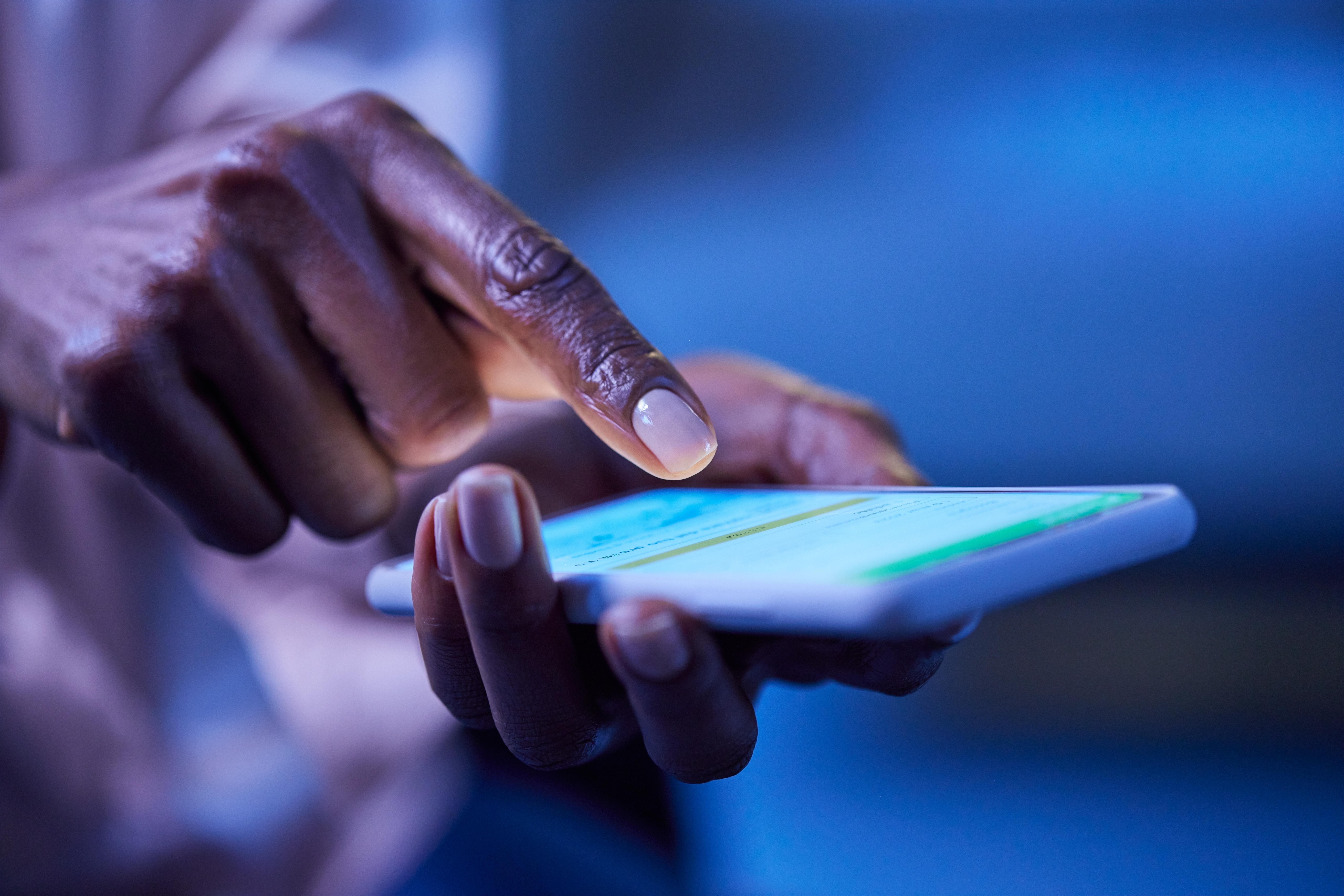
 - Most Americans spend hours each day scrolling through their phones, but an expert at New York Institute of Technology warns this habit may lead to smartphone addiction—releasing the same neurochemicals as hard drugs.
“Smartphones have the same chemical reaction in the brain as drugs and alcohol,” said Melissa DiMartino, Ph.D., associate professor of psychology at New York Tech. “Getting ‘likes,’ messages, and notifications from your phone releases dopamine, which makes us feel good, and in turn, we want to repeat these feel-good behaviors. However, when we don’t get them, we feel depressed and lonely, which creates an adverse effect,” she said.
If you feel anxious without your phone and can’t go anywhere without it, these are signs you may be using it too much, noted DiMartino. For others, the continuous stream of updates and being at someone’s beck and call can generate a sense of urgency, leading to increased anxiety and stress.
DiMartino conducted a study analyzing the impact of smartphones in the college classroom. Specifically, she analyzed how mindfulness and attention, as well as anxiety levels, are affected when students’ smartphones are present vs. removed.
In four classes, half of the students turned in smartphones, while the other half kept their phones and used them without restrictions.
After six weeks, students self-reported scores on course comprehension, mindfulness, and anxiety levels. Those who handed in their smartphones reported much higher comprehension and mindfulness scores and lower levels of anxiety compared to the students who kept their phones.
“While our research focused on a younger age group, people of all generations can benefit from routinely unplugging from their smartphones, from improved sleep to relieving the stress that comes with always being ‘on,’” DiMartino said.
DiMartino offers this guide to healthy separation from your smartphone:
Separate to sleep. Mental health and sleep are closely tied together. Leaving your phone outside of your bedroom has been found to significantly improve sleep quality. If you need an alarm, swap out the phone for a traditional alarm clock.
Schedule breaks. Try taking scheduled time apart from your phone, perhaps 30 minutes or one hour to start, gradually extending the length over time.
Do not disturb. Turn off notifications to create limits. Update your smartphone settings to “do not disturb” between certain hours, which can ease the anxiety that a constant stream of text messages, notifications, and alerts brings.
DiMartino is one of many New York Tech researchers who are tackling real-world challenges. Visit nyit.edu to learn more.