 (NewsUSA)
 - Exercising in the warmer weather is a welcome respite from winter, but summer workouts bring their own challenges, including dehydration.
For most people, 64 ounces of water each day is recommended for good health, but this varies with activity level, climate, and individual needs, according to sports medicine physician Hallie Zwibel, D.O.
However, according to data from the Centers for Disease Control and Prevention, American adults average a daily water consumption of just 44 ounces, while children and adolescents average only 23 ounces.
“Being dehydrated is more than just feeling thirsty—it means your body doesn't have enough water to function properly,” said Zwibel, an assistant dean and director of the Center for Sports Medicine at New York Institute of Technology’s medical school. “It’s important to listen to your body's signals and adjust your water intake based on factors like activity level and weather conditions.”
Signs of serious dehydration include extreme thirst, dark urine, dizziness, confusion, and rapid heartbeat, according to Zwibel. “If you experience these symptoms, drink water immediately and seek medical attention if symptoms persist,” he said. Chronic dehydration, or when dehydration appears for longer periods, may indicate serious underlying health issues such as diabetes, kidney problems, or certain medications affecting your body's fluid balance, he added.
Zwibel emphasized that while electrolyte packets can help replenish essential minerals lost through sweat, they should not replace daily water intake. Electrolyte-infused water should be consumed in addition to the daily recommended amount.
For those ages 21 and older, alcohol can contribute to dehydration as well, because it strips the body of fluids, Zwibel said. “To counteract these effects, I recommend having a glass of water every 30 minutes, which will help continually replenish any fluids lost,” he advised.
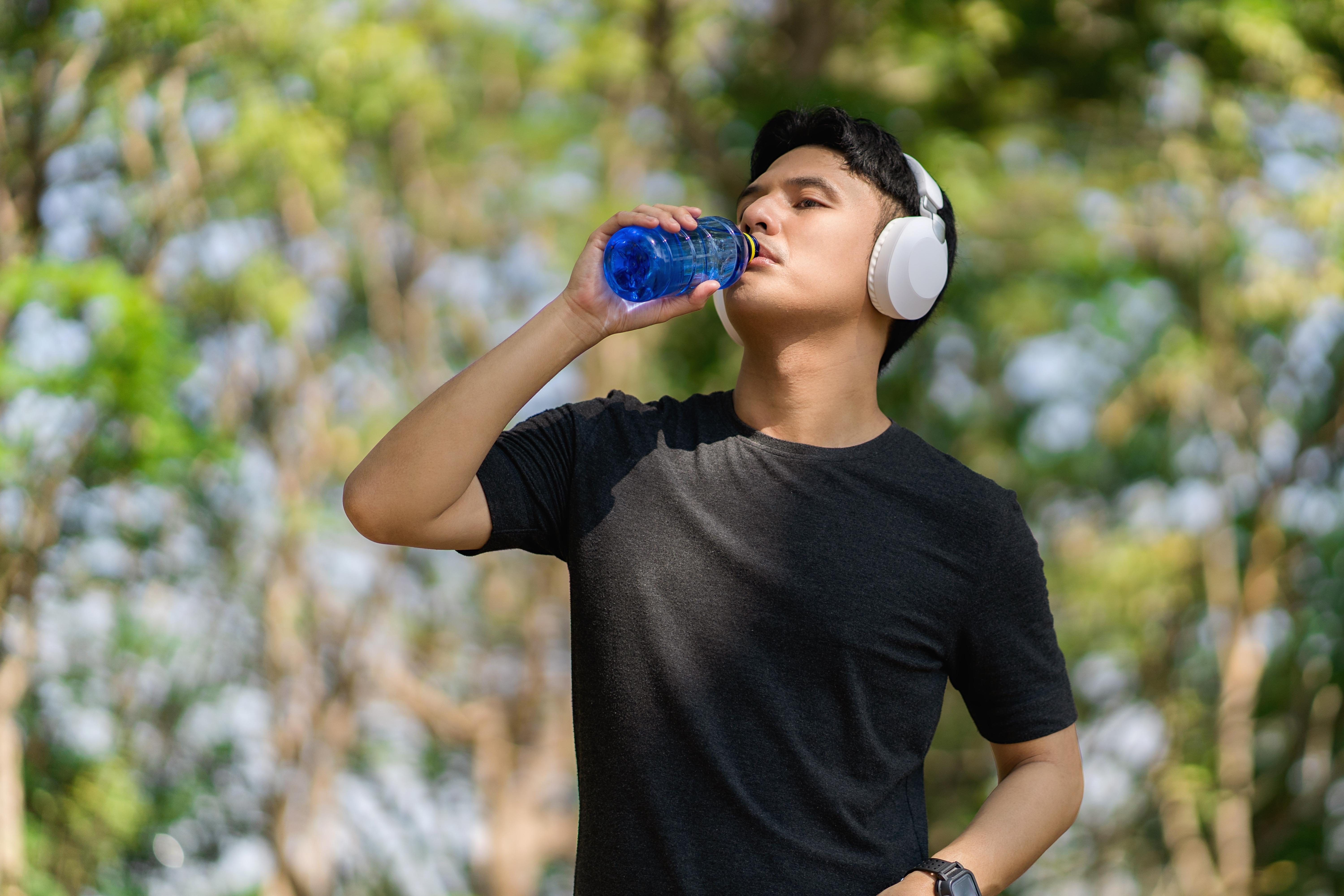
“This summer, whether you’re playing an outdoor sport like pickleball or beach volleyball, or headed out for a run, it's essential to stay hydrated by drinking plenty of water before, during, and after the activity,” said Zwibel.
The physician noted that wearing sunscreen, a hat, and light-colored clothing can also protect against the sun’s rays and reduce the risk of overheating, while taking regular breaks in the shade can help you stay cool and safely maintain exercise performance. “On the hottest days, try to schedule your workout or activity for the early morning or evening, when temperatures are cooler,” he added.
Zwibel is one of many New York Tech faculty lending their expertise to help tackle real-world challenges. Visit nyit.edu to learn more.