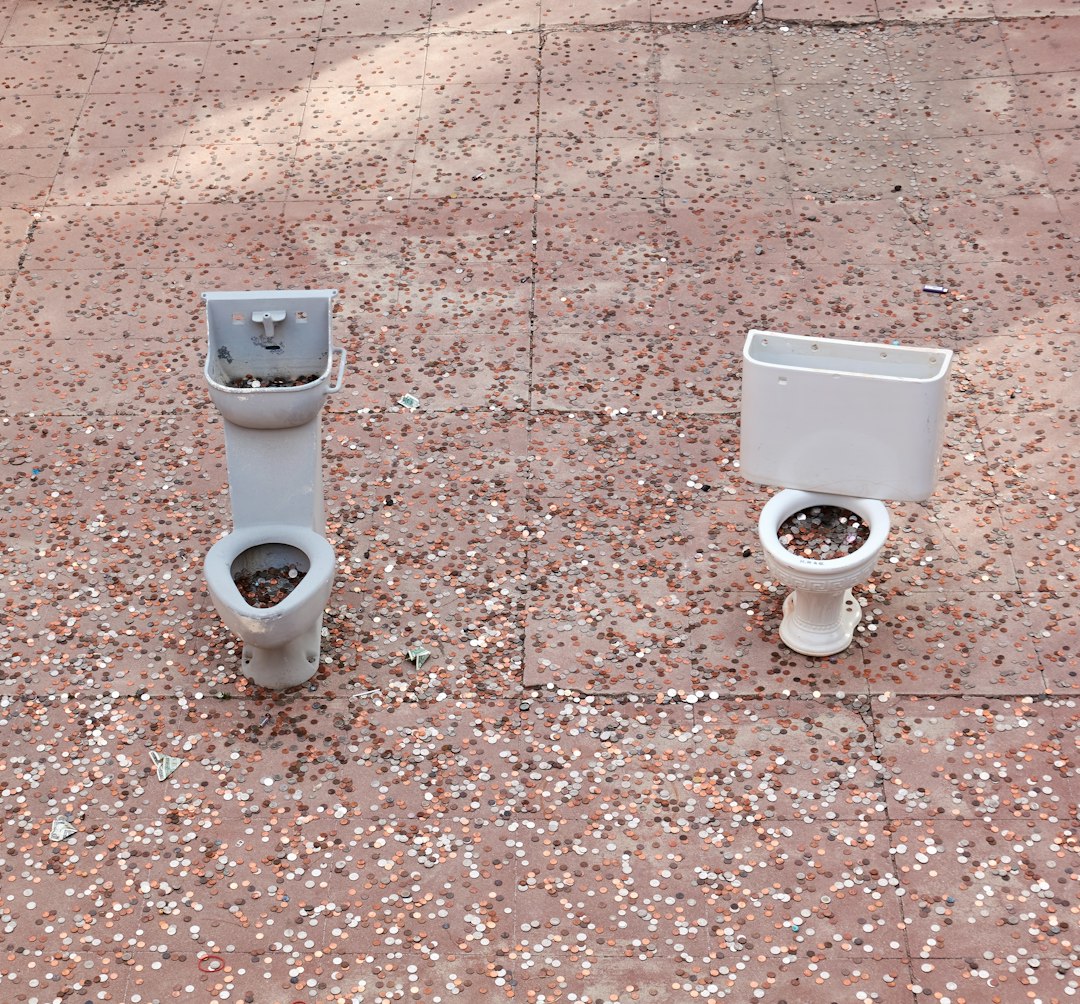
 Photo from Unsplash
Originally Posted On: https://blueboltpediatriccare.com/blog/f/all-about-potty-training
All About Potty Training
1. Where to begin with potty training?
Starting potty training can feel overwhelming, but breaking it down into smaller steps can help both you and your child feel confident. First, make sure your child is showing signs of readiness—this might include staying dry for long periods, showing interest in adult bathroom habits, or being able to follow simple directions. Once you’re seeing these signs, it’s time to introduce the concept of potty training. Start by talking to your child about the process, making sure to keep it positive and stress-free. You can use books or videos to make it more engaging, and make sure they have easy access to the potty so they can become comfortable with the idea. Most importantly, create a routine and be patient—this process will take time.
2. Are potty training pants worth it?
Potty training pants can be a helpful tool during the process, but they’re not a necessity. They can be great for transitioning from diapers to underwear, as they give your child a sense of being more independent. However, it’s important to note that they’re still absorbent, which can sometimes make kids less aware when they’ve had an accident. For some children, potty training pants help reduce anxiety, but for others, they may prolong the process. It’s best to try them out and see how your child responds. If you do use them, aim for the ultimate goal of transitioning to regular underwear, as that’s when your child will begin to feel the true sensation of being wet, which is essential for learning.
3. Which potty training method is best?
As a BCBA, I recommend using a wet/dry data method to track progress. This means monitoring when your child is wet or dry and recording that information regularly. The data will help you understand patterns and identify what works and what doesn’t for your child. For example, does your child tend to have accidents after certain activities or at specific times of the day? By keeping track of this, you can develop a more individualized training schedule, helping your child become successful. Data-driven approaches give you the clarity you need and allow you to reinforce successes in a meaningful way, ensuring you’re consistently moving in the right direction.
4. Which potty training seat is best?
Choosing the right potty training seat depends on your child’s preferences and comfort. Some children feel more secure using a potty training chair that sits on the floor, while others prefer a seat that attaches directly to the toilet. If your child is nervous about the toilet, a potty training chair with fun designs or a familiar character can be a good starting point. For older children or those who prefer adult-style toilets, a seat insert that fits snugly onto your regular toilet seat may be a great choice. It’s important that whichever seat you choose, it allows your child to sit comfortably and safely, with their feet either flat on the floor or supported.
5. Why potty training regression?
Potty training regression can be frustrating, but it’s completely normal! Regression often happens when your child is going through a big change or facing stress—this might include a move, the arrival of a new sibling, starting school, or changes in the routine. It’s important to stay calm and patient during these times. Regression doesn’t mean your child has forgotten how to potty train, but that they need a little extra support as they navigate new challenges. Consistency and reassurance are key. Keep up with the routines, offer praise for efforts, and avoid punishment. Regression is usually temporary, and with a little time and encouragement, your child will get back on track.
Remember, potty training is a journey, and it’s okay if things don’t go perfectly at first. Celebrate the small wins, keep the process lighthearted, and, most importantly, be patient with your child—and yourself!