
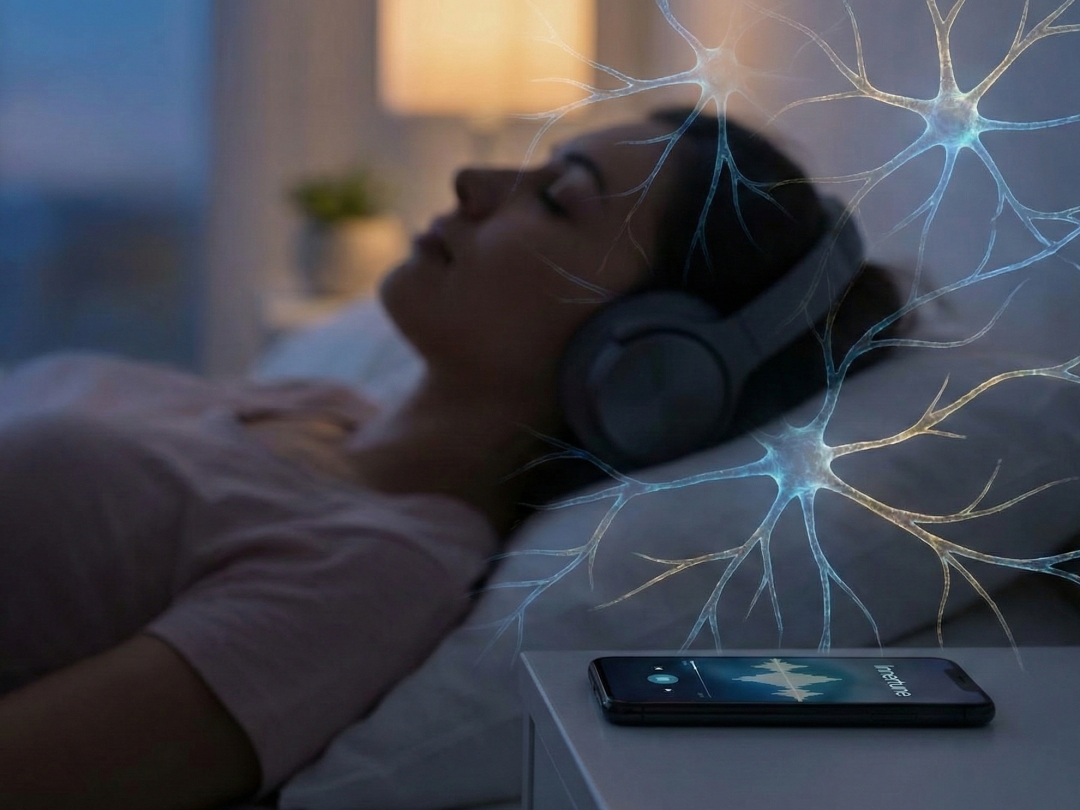
A shift in how people approach personal development is emerging as neuroscience research on brain adaptability becomes more accessible to general audiences. Neuroplasticity, the brain's ability to form new neural connections throughout life, has moved from academic journals into practical applications, with daily affirmation practices gaining attention as one accessible method.
Research using functional MRI technology shows that repeated thoughts and behaviors can strengthen specific neural pathways. Studies from institutions including Stanford University have documented how self-affirmation activates brain regions associated with reward processing and self-perception, including the medial prefrontal cortex and ventral striatum. This neural activity reflects the brain forming new connections through repeated practice.
This principle has implications for how people approach habit formation and mindset shifts. When individuals repeatedly engage with specific thoughts or statements, they create and reinforce neural pathways that make those thought patterns more accessible over time. The process works similarly to learning any new skill—initial difficulty gives way to automaticity through consistent practice.
Traditional methods of affirmation practice often involved writing or reading statements. A newer category of tools has emerged to address consistency challenges. Wellness technology company Innertune developed an affirmation app that delivers audio-based content designed around repetition principles. The platform, which has reached 1.2 million users, offers over 22,000 affirmations across 550 playlists targeting areas from confidence building to stress management.
"We noticed users practicing most consistently right before sleep and upon waking," said Justin Aumont, co-founder of Innertune. "The audio format removed friction—people could listen during these transition states without additional effort. We also found that generic content didn't match individual needs, so we developed an AI system that generates personalized playlists based on each user's specific goals and challenges."
The personalization approach addresses a common challenge in wellness tools: maintaining relevance across diverse user needs. The system analyzes user responses about their goals and current challenges to curate content from the broader library, aiming to improve consistency by matching content to individual circumstances.
This usage pattern aligns with research on brain states and receptivity. Studies in sleep science indicate that the transition to sleep involves theta brainwave activity, a state associated with deep relaxation and increased suggestibility. Research published in neuroscience journals notes that theta waves, measured at 4-8 Hz, occur during meditation and hypnagogic states when conscious filtering decreases.
The app builds on established cognitive science principles rather than proprietary methods. Repetition strengthens neural pathways, a concept documented in learning research since Hermann Ebbinghaus's work in the 1880s and later refined through Donald Hebb's research on synaptic plasticity in the 1940s.
User adoption reflects growing interest in structured approaches to mindset work. Innertune reports over 30,000 user reviews averaging 4.9 stars across app store platforms, with common use cases including anxiety management, confidence building, and sleep improvement.
The accessibility of neuroplasticity concepts has shifted how people think about personal change. Rather than viewing traits like confidence or optimism as fixed, a growing number of individuals approach these qualities as developable through intentional practice.
Research continues to explore the mechanisms and limitations of affirmation-based practices. While studies consistently show that self-affirmation can reduce stress responses and improve self-control in laboratory settings, individual responses vary. Factors including baseline mindset, practice consistency, and personal relevance of affirmations appear to influence outcomes.
For individuals interested in applying these principles, cognitive behavioral therapy practitioners emphasize consistency over intensity. A daily five-to-ten minute practice appears more effective than sporadic longer sessions, aligning with how the brain strengthens frequently-used connections while pruning rarely-used ones.
The intersection of neuroscience research and accessible technology continues to evolve. As understanding of brain plasticity and optimal learning states deepens, tools designed around these principles may offer practical pathways for individuals seeking to intentionally shape their thought patterns and emotional responses.
Media Contact
Company Name: Innertune Media Inc.
Contact Person: Justin Aumont
Email: Send Email
Country: United States
Website: https://apps.apple.com/us/app/innertune-affirmations/id6443625379