Wood is one of the most versatile and beautiful building materials, but it remains highly vulnerable to moisture damage. Rain, humidity, splashes, and even everyday condensation can lead to swelling, cracking, warping, mold growth, and eventual rot. That’s where polyurethane waterproof coating for wood becomes an indispensable solution. This advanced, liquid-applied protective layer creates a seamless, flexible, and long-lasting barrier that keeps water out while allowing the wood to breathe. Whether you’re protecting outdoor decks, fences, siding, furniture, or interior flooring, polyurethane waterproof coating for wood delivers superior performance that traditional sealers and varnishes simply can’t match.
What Is Polyurethane Waterproof Coating?
Polyurethane waterproof coating is a single- or two-component resin-based system that cures into a tough, elastomeric membrane. Once applied, it chemically bonds with the wood fibers and forms a rubber-like film with excellent elongation (often over 300%). This flexibility is critical because wood naturally expands and contracts with changes in temperature and humidity. The coating resists UV degradation, abrasion, and mild chemicals while maintaining a clear or tinted finish that enhances the natural grain of the wood rather than hiding it.
Modern formulations come in both solvent-based and low-VOC water-based versions, making them suitable for interior and exterior use. Many products also include built-in UV stabilizers and fungicides, extending the life of both the coating and the wood substrate.
Key Benefits of Polyurethane Waterproof Coating for Wood
Using polyurethane waterproof coating for wood offers several distinct advantages:
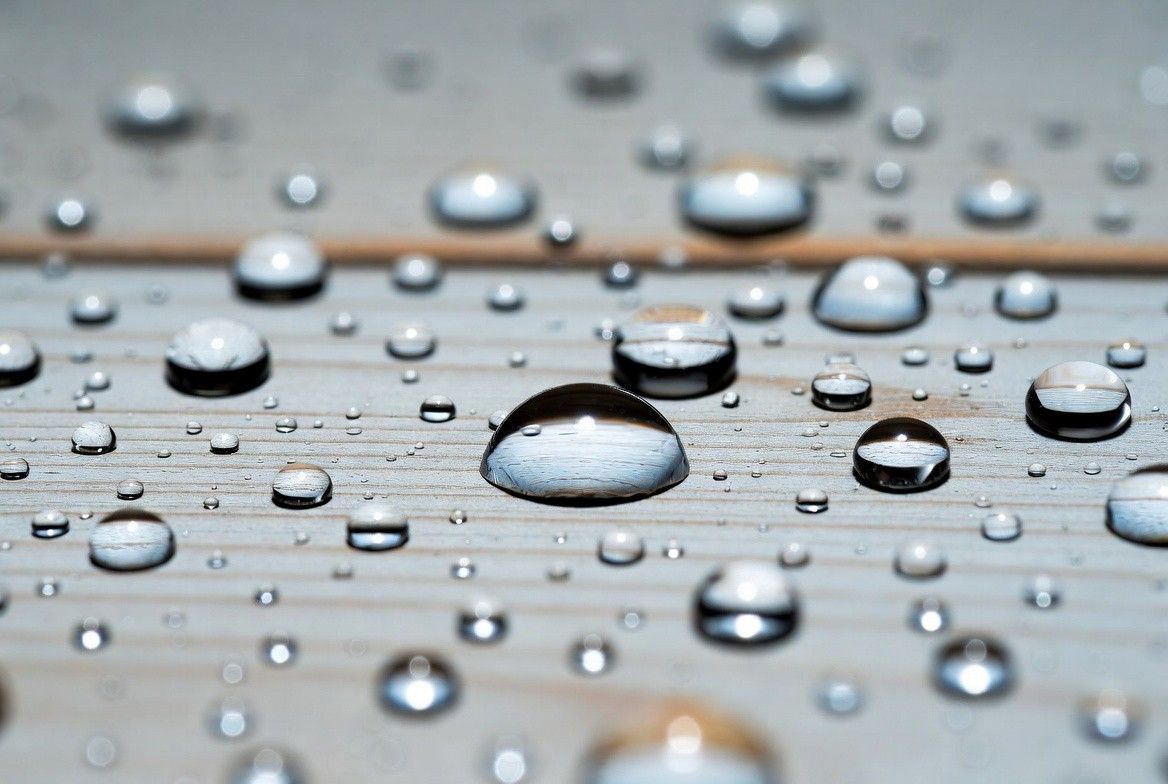
- Superior Water Resistance: It creates an impermeable yet breathable layer that prevents liquid water from penetrating while allowing trapped moisture vapor to escape, reducing the risk of blistering or delamination.
- Exceptional Durability and Flexibility: The cured film can withstand foot traffic, expansion/contraction cycles, and minor structural movement without cracking.
- Enhanced Wood Protection: It blocks UV rays that cause graying and surface degradation, while also resisting scratches, abrasion, and common household cleaners.
- Aesthetic Versatility: Available in clear satin, gloss, matte, or pigmented finishes, it preserves or even highlights the beauty of natural wood.
- Easy Maintenance: Once cured, the surface can be cleaned with simple soap and water, and spot repairs are straightforward.
- Cost-Effective Longevity: A properly applied coating can last 8–15 years outdoors and even longer indoors, reducing replacement frequency and overall maintenance costs.

Ideal Applications for Polyurethane Waterproof Coating for Wood
This coating excels on virtually any wooden surface exposed to moisture:
- Exterior decks and patios
- Wooden fences, pergolas, and garden structures
- Wood siding and trim
- Interior flooring in bathrooms, kitchens, or basements
- Furniture, cabinets, and countertops
- Boat docks and marine woodwork
- Wooden bridges or walkways in humid climates
For high-traffic exterior areas, choose a coating with added abrasion resistance and non-slip additives. In marine environments, select marine-grade polyurethane waterproof coating for wood that offers extra resistance to saltwater.
Step-by-Step Application Guide
Proper surface preparation and application are essential for maximum performance:
1. Surface Preparation — Clean the wood thoroughly to remove dirt, mildew, old finishes, and loose fibers. Sand to a uniform profile (typically 80–120 grit) and ensure the wood is completely dry (moisture content below 12–15%).
2. Priming (if required) — Some formulations benefit from a wood-specific primer to improve adhesion, especially on dense hardwoods or previously treated surfaces.
3. Application — Stir the product thoroughly. Apply 2–3 thin coats using a brush, roller, or airless sprayer. Allow proper drying time between coats (usually 4–12 hours depending on temperature and humidity). Lightly sand between coats for a smoother finish.
4. Curing — Full cure typically takes 24–72 hours for light use and up to 7 days for heavy traffic. Avoid water exposure during this period.
5. Maintenance — Reapply a fresh topcoat every 3–5 years for exterior surfaces or when signs of wear appear.
Professional applicators often recommend testing a small area first to confirm compatibility with the specific wood species and existing treatments.
Comparing Polyurethane Waterproof Coating to Other Waterproofing Solutions
While polyurethane waterproof coating for wood is the preferred choice for porous, irregular, or detailed wooden surfaces due to its seamless application and strong adhesion, other waterproofing technologies serve different needs in the broader construction industry. For instance, SBS waterproofing membrane remains a reliable option for large-scale flat roofing and below-grade waterproofing projects. In foundation and containment work, hdpe membrane provides robust chemical resistance and puncture protection. Meanwhile, TPO waterproofing membranes have gained popularity in commercial roofing thanks to their energy-efficient reflective properties and heat-welded seams.
In contrast, these sheet membranes are less practical for wood because they cannot easily conform to irregular shapes, grain patterns, or intricate joinery. Polyurethane waterproof coating for wood fills that gap by offering a brush- or spray-applied solution that penetrates the substrate and creates a monolithic protective layer tailored specifically to timber.
Choosing the Right Polyurethane Waterproof Coating for Wood
Look for products that are:
- Specifically labeled for exterior or interior wood use
- Low in VOCs for indoor air quality
- Backed by manufacturer warranties (typically 5–10 years)
- Tested for ASTM standards on water vapor transmission, elongation, and adhesion
Always follow the manufacturer’s technical data sheet for coverage rates (usually 200–400 sq ft per gallon per coat) and environmental application conditions.
Final Thoughts
Investing in high-quality polyurethane waterproof coating for wood is one of the smartest ways to extend the lifespan and preserve the beauty of your wooden assets. It delivers unmatched protection against moisture while maintaining the natural look and feel of the wood—something rigid membranes and basic sealers simply cannot achieve. Whether you’re a homeowner tackling a weekend deck project or a contractor specifying materials for a large commercial installation, this technology offers the perfect balance of performance, ease of use, and long-term value.
By choosing the right formulation and following best practices for preparation and application, you can enjoy worry-free wood surfaces that resist water damage for years to come.