DALLAS - December 16, 2025 (NEWMEDIAWIRE) - There is increasing evidence that gum disease is associated with increased risk of cardiovascular events, including heart attack, stroke, atrial fibrillation, heart failure and cardiometabolic health conditions. Effective prevention and treatment of gum disease, also called periodontal disease, could potentially decrease the burden of cardiovascular disease, according to a new scientific statement published today in the American Heart Association’s flagship journal Circulation.
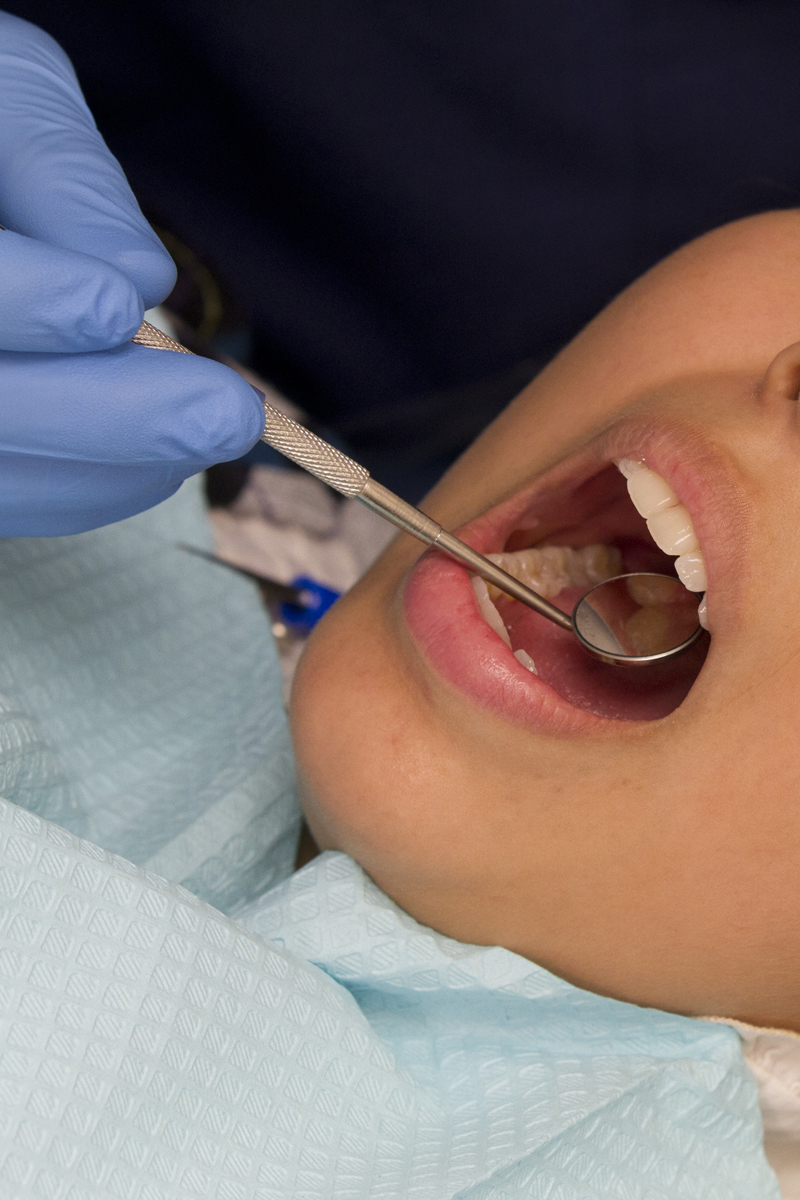
The new American Heart Association scientific statement, “Periodontal Disease and Atherosclerotic Cardiovascular Disease,” features new data supporting an association between periodontal disease and atherosclerotic cardiovascular disease (ASCVD) and updates the Association’s 2012 scientific statement. ACSVD, the leading cause of death globally, is caused by buildup of arterial plaque (fatty deposits in the arteries) and refers to conditions that include coronary heart disease, stroke, peripheral artery disease and aortic aneurysms.
“Your mouth and your heart are connected,” said Chair of the scientific statement writing group Andrew H. Tran, M.D., M.P.H., M.S., FAHA, a pediatric cardiologist and the director of the preventive cardiology program at Nationwide Children's Hospital in Columbus, Ohio. “Gum disease and poor oral hygiene can allow bacteria to enter the bloodstream, causing inflammation that may damage blood vessels and increase the risk of heart disease. Brushing, flossing and regular dental checkups aren’t just about a healthy smile - they’re an important part of protecting your heart.”
Highlights of the statement include:
- Periodontal disease is a chronic inflammatory condition affecting over 40% of U.S. adults over age 30. The earliest stage is gingivitis (inflammation of the gums due to buildup of oral plaque). If left untreated, gingivitis may progress to periodontitis, where the gums begin to pull away from the teeth, forming small pockets that can trap bacteria and lead to infection. The most advanced stage, severe periodontitis, involves extensive damage to the bones supporting the teeth; teeth may become loose and fall out. This stage often requires surgical intervention.
- Periodontal disease is more common in individuals with poor oral hygiene and other cardiovascular disease risk factors, such as high blood pressure, overweight or obesity, diabetes and smoking. The prevalence of periodontal disease is also higher among men, older adults, individuals with low physical activity and people affected by adverse social determinants of health, such as lower socioeconomic status, food insecurity and/or lack of access to health care including dental care.
- Although periodontal disease and ASCVD share common risk factors, emerging data indicates there is an independent association between the two conditions. Potential biological mechanisms linking periodontal disease with poor cardiovascular outcomes include direct pathways such as bacteria in the blood and vascular infections, as well as indirect pathways such as chronic systemic inflammation.
- Numerous studies have found that periodontal disease is associated with an increased risk of heart attack, stroke, atrial fibrillation, heart failure, peripheral artery disease, chronic kidney disease and cardiac death. Although periodontal disease clearly contributes to chronic inflammation that is associated with ASCVD, a cause-and-effect relationship has not been confirmed.
- There is also no direct evidence that periodontal treatment will help prevent cardiovascular disease. However, treatments that reduce the lifetime exposure to inflammation appear to be beneficial to reducing the risk of developing ASCVD. The treatment and control of periodontal disease and associated inflammation may contribute to the prevention and improved management of ASCVD.
- People with one or more cardiovascular disease risk factors are considered to be at higher risk and may benefit from regular dental screenings and targeted periodontal care to address chronic inflammation. Previous studies have found that more frequent tooth brushing is associated with lower 10-year ASCVD risk (13.7% for once-daily or less brushing vs. 7.35% for brushing three or more times per day) and reduced inflammatory markers.
- More research, including long-term studies and randomized controlled trials, is needed to determine whether periodontal treatment can impact ASCVD progression and outcomes.
- In addition, the role of socioeconomic status, access to dental care and other social factors that adversely affect health should be explored to develop targeted prevention and treatment strategies that can help reduce the prevalence and adverse outcomes of periodontal disease and ASCVD.
This scientific statement was prepared by the volunteer writing group on behalf of the Cardiovascular Disease Prevention Committee of the American Heart Association Council on Lifelong Congenital Heart Disease and Heart Health in the Young; the Council on Clinical Cardiology; the Stroke Council; the Council on Basic Cardiovascular Sciences; and the Council on Cardiovascular and Stroke Nursing. While scientific statements inform the development of guidelines, they do not make treatment recommendations. American Heart Association guidelines provide the Association’s official clinical practice recommendations.
Co-authors are Vice Chair Abbas H. Zaidi, M.D., M.S.; Ann F. Bolger, M.D., FAHA; Oscar H. Del Brutto, M.D.; Rashmi Hegde, B.D.S., M.S.; Lauren L. Patton, D.D.S.; Jamie Rausch, Ph.D., R.N.; and Justin P. Zachariah, M.D., Ph.D., FAHA. Authors’ disclosures are listed in the manuscript.
The Association receives more than 85% of its revenue from sources other than corporations. These sources include contributions from individuals, foundations and estates, as well as investment earnings and revenue from the sale of our educational materials. Corporations (including pharmaceutical, device manufacturers and other companies) also make donations to the Association. The Association has strict policies to prevent any donations from influencing its science content and policy positions. Overall financial information is available here.
Additional Resources:
- Available multimedia is on right column of release link.
- Spanish news release
- After 5 a.m. ET, Dec. 16, 2025, view the manuscript online.
- American Heart Association news release: New resources help dentists identify patients at risk for cardiovascular disease (Nov. 2025)
- American Heart Association news release: Regular dental flossing may lower risk of stroke from blood clots, irregular heartbeats (Jan. 2025)
- American Heart Association health information: Oral Health
- American Heart Association health initiative: Healthy Smiles, Healthy HeartsTM
- Follow AHA/ASA news on X @HeartNews
- Follow news from the AHA’s flagship journal Circulation @CircAHA
About the American Heart Association
The American Heart Association is a relentless force for a world of longer, healthier lives. Dedicated to ensuring equitable health in all communities, the organization has been a leading source of health information for more than one hundred years. Supported by more than 35 million volunteers globally, we fund groundbreaking research, advocate for the public’s health, and provide critical resources to save and improve lives affected by cardiovascular disease and stroke. By driving breakthroughs and implementing proven solutions in science, policy, and care, we work tirelessly to advance health and transform lives every day. Connect with us on heart.org, Facebook, X or by calling 1-800-AHA-USA1.
For Media Inquiries: 214-706-1173
Amanda Ebert: Amanda.Ebert@heart.org
For Public Inquiries: 1-800-AHA-USA1 (242-8721)
heart.org and stroke.org
View the original release on www.newmediawire.com