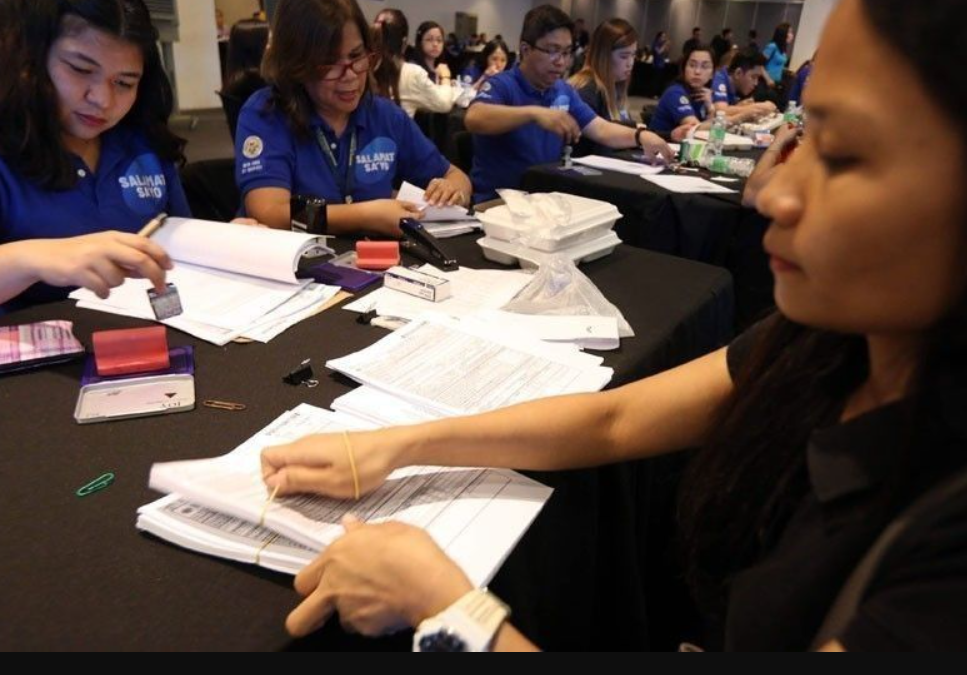
Starting a government job can be, honestly, a little overwhelming. The paperwork, the policies, the procedures—sometimes it feels like everything is happening faster than you can process. That’s where tools like a civil service exam practice test online free Philippines can actually help. Not because it magically teaches you everything, but because it gives a sense of what kind of attention, focus, and reasoning these roles expect. It’s like a warm-up. A tiny glimpse of the pace and thinking that will come at you daily.
Even if someone has done office work before, or feels confident in English and organization, adapting to a government role is different. Small missteps—a misfiled form, a misunderstood instruction, a missed deadline—can feel bigger than they really are. Quick adaptation is less about avoiding mistakes completely and more about learning fast, responding calmly, and figuring things out as you go.
Understanding the Role Beyond the Job Description
You’d think the job description tells you what to do. Usually, it barely scratches the surface. Administrative positions involve coordinating between departments, processing requests, managing schedules, communicating with the public and then there’s everything that isn’t written down.
- Who handles approvals first?
- Which forms are really urgent?
- Are there small shortcuts that make workflow smoother?
Noticing these patterns early can save a lot of time. Adaptable employees pick up on these subtle cues quickly. It’s not about bending rules—it’s about understanding how things actually get done.
Observation: Watch, Learn, Repeat
Observation is key. New hires who watch quietly and take mental notes often pick up faster. Which colleagues respond quickly? Who likes detailed memos versus short emails? Even small patterns matter.
Sometimes people forget this. They try to jump in, thinking “I’ll just do it my way,” and that can slow things down. Taking a moment to observe is a small step, but it’s surprisingly effective.
Organization: The Unsung Hero
Government work often means juggling multiple tasks. Meetings, reports, emails, deadlines all at the same time. Quick adapters know how to keep track without feeling buried.
Some practical habits include:
- Using a simple planner or checklist
- Breaking big tasks into smaller steps
- Allocating buffer time for unexpected requests
- Keeping reminders for deadlines
It’s not glamorous, but it works. Staying organized makes the chaos manageable, and over time, it becomes second nature.
Communication Skills Make a Big Difference
It’s easy to think communication is just sending emails or memos. But real communication in government work is nuanced. Employees who adapt quickly:
- Ask clarifying questions without hesitation
- Summarize instructions to confirm understanding
- Adjust tone depending on the audience
- Listen first, respond second
A lot of issues arise not from mistakes, but from unclear communication. Even repeating instructions back can prevent problems. Sometimes it’s the simplest tricks that work best.
Flexibility: Expect the Unexpected
Government offices have rules, yes, but also exceptions. Emergencies, last-minute changes, urgent memos—these come up all the time. Adaptable employees:
- Adjust priorities quickly
- Handle interruptions without panic
- Change workflows when necessary
Mindset is key. You can’t control everything, but you can control your response. And that makes all the difference.
Learning Processes Quickly
Every office has its own systems. Software, protocols, filing methods—it’s a lot to absorb. Quick learners do a few simple things:
- Review manuals or guides
- Shadow experienced colleagues
- Keep quick-reference notes for common procedures
Practicing small tasks until they become automatic helps speed adaptation. Even little habits, like noting who approves what, make a big difference over weeks.
Building Professional Relationships
Adapting isn’t just about tasks—it’s about people. Employees who get along with supervisors, peers, and stakeholders navigate the system faster.
- Be reliable and consistent
- Observe colleagues’ communication styles
- Offer help when possible, but don’t overcommit
Being approachable makes learning easier. People naturally explain things more when they like working with someone.
Problem-Solving and Initiative
Unexpected challenges happen. Adaptable employees don’t freeze—they think.
- They anticipate potential issues
- Suggest solutions, not just point out problems
- Stay calm under pressure
Problem-solving doesn’t mean rushing. It means thinking clearly, weighing options, and taking action. And yes, it can be learned with practice.
Mindset: Patience and Curiosity
Adaptation is mental. Employees who pick up quickly:
- Stay curious about why things are done a certain way
- Accept mistakes as learning opportunities
- Maintain patience with slow processes or bureaucracy
Curiosity speeds learning. Patience keeps stress in check. Together, they make adaptation far smoother.
Conclusion: Adaptation Is a Skill
Quick adaptation in government positions isn’t magic. It’s observation, organization, communication, flexibility, problem-solving, and mindset. Tools like civil service exam practice test online free Philippines provide guidance, but day-to-day habits, curiosity, and engagement are what really make the difference.
Employees who adapt fast aren’t just efficient—they’re confident, reliable, and able to contribute meaningfully early on. Adaptation can be learned, and with the right approach, a new hire can move from overwhelmed to capable faster than expected.